When a dojo grows from dozens to hundreds of students, or when you are preparing a new branch or building a competition team, purchasing stops being about buying whatever is missing and becomes a budget that needs careful planning: what dobok size ratio to stock, which protectors to configure for which classes, what mat specs to install, whether to order in one batch or replenish over time, and whether to go through a dealer or inquire directly - every decision affects cash flow and the students' experience. This bulk purchasing guide breaks the decision into four steps: define the list, standardize the specs, choose the channel, and prepare the inquiry.
Step 1: Build a Demand List First - Turn Vague Needs into a Purchasing Project
Dojo Opening Checklist: Measurement to Grand Opening, where it is listed as a key step before opening.
What a workable list looks like
Build it as a table: category, purpose (class, sparring, competition), quantity and size distribution, expected arrival time. Quantities should not be guessed: doboks follow class size plus attrition; protectors follow the number of students sparring at the same time; mats follow the training area plus safety aisles. Size distribution should reflect the height structure of your students - dojos with a high share of kids must stock enough small sizes, or a stock-out during enrollment or promotion seasons will stall class rhythm while you wait for replenishment.
The first step of bulk purchasing is not price comparison but turning demand into an executable list.
Step 2: Unified Specs and Size Ratios Shape the Experience
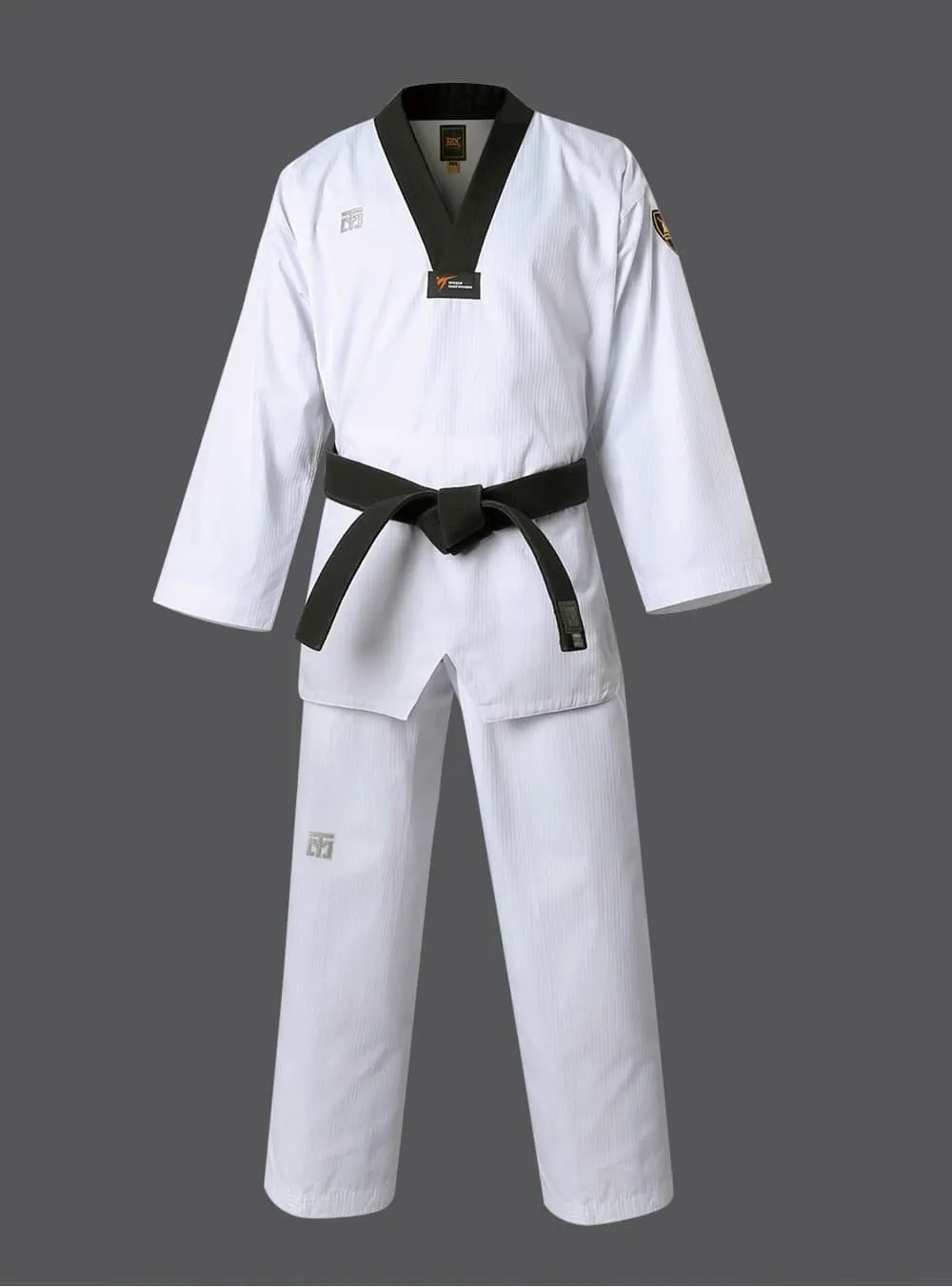
Dojo gear suffers most when every student looks different: dobok shades that do not match, protectors mixed old and new - it hurts the training atmosphere and raises management costs. The advantage of bulk purchasing is exactly unified specs - one batch, one certification standard, one look. For doboks, prioritize WT-approved or competition-rule-compliant models, keep a unified white or specified color, and stock sizes by height segments; the child-to-adult ratio depends on your student structure, and kid-heavy dojos should give more weight to smaller sizes.
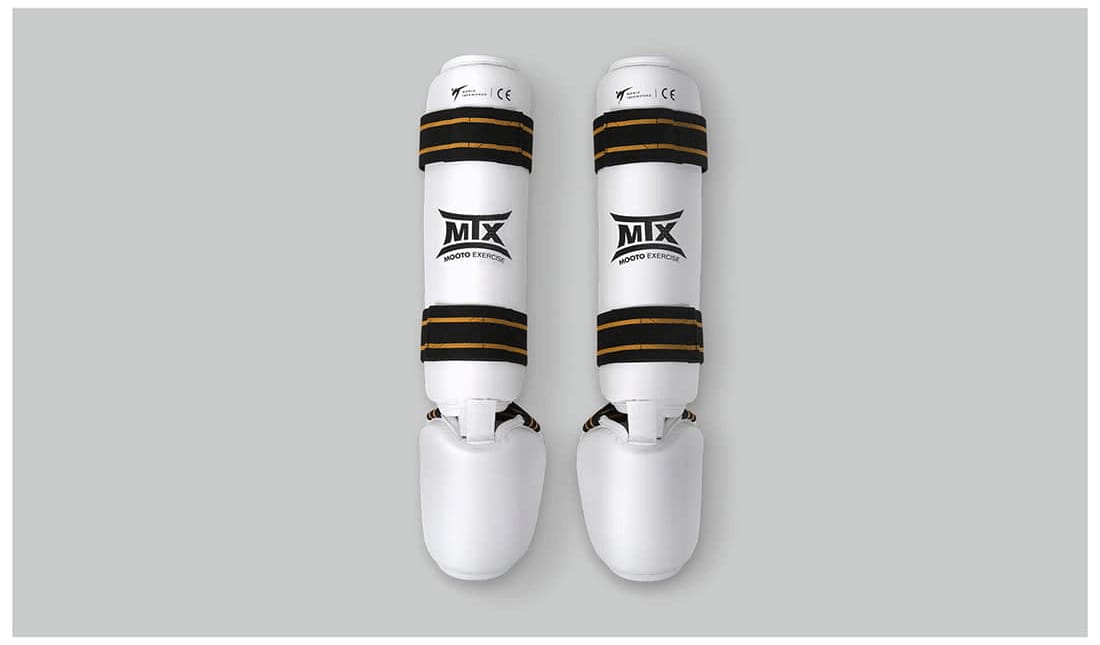
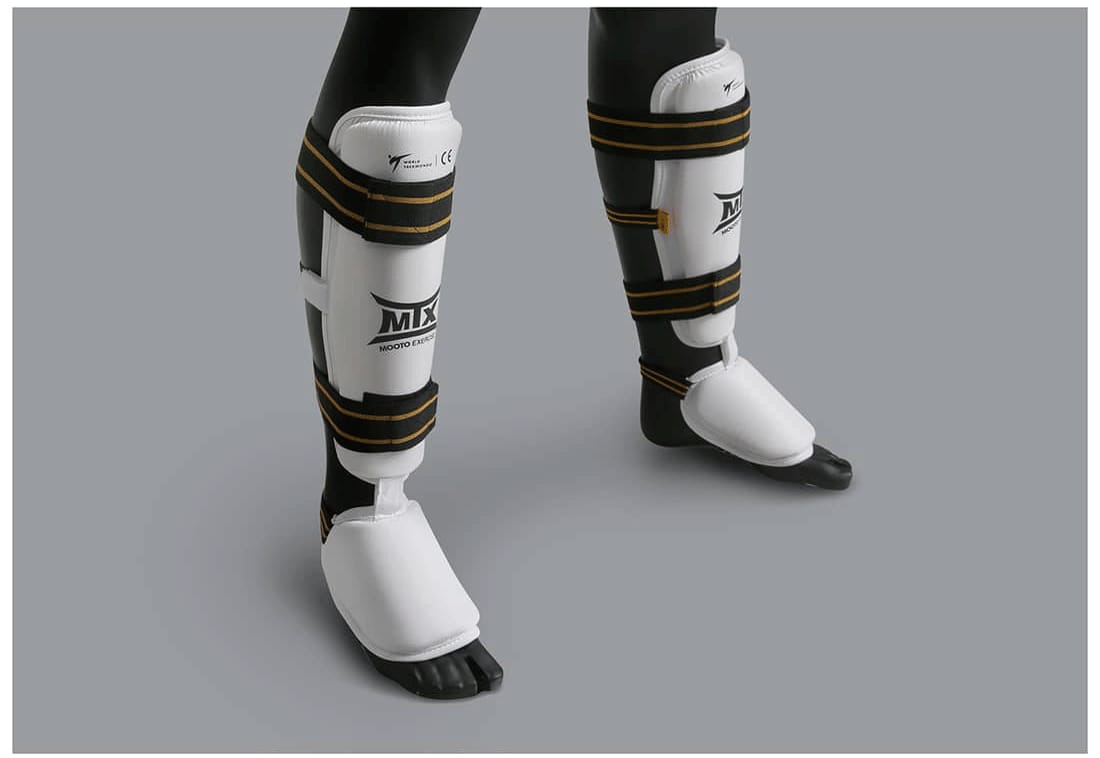
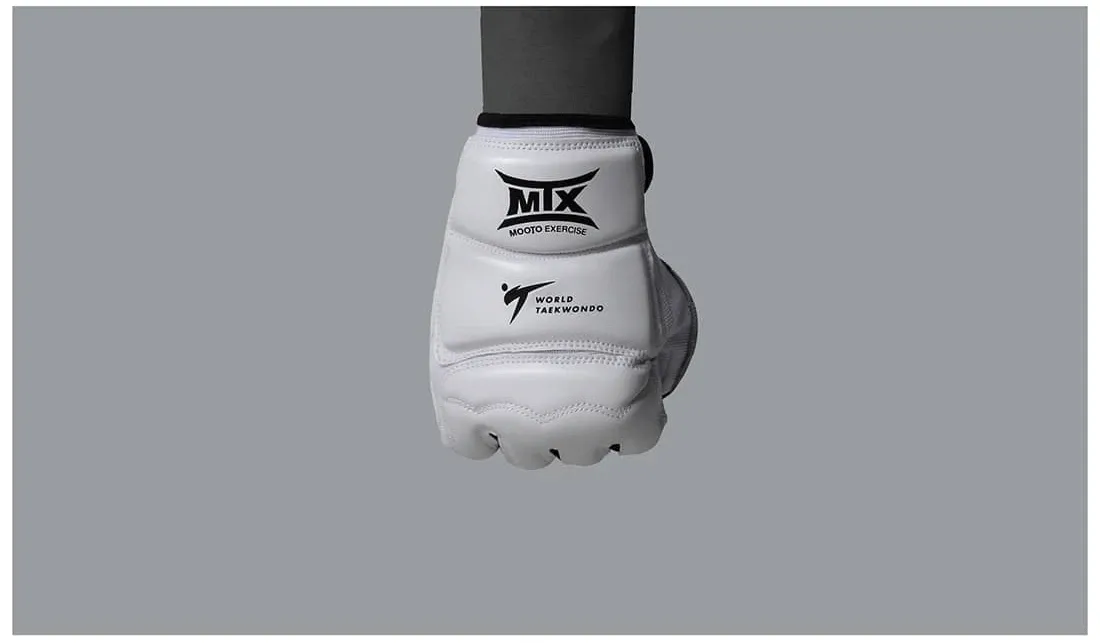
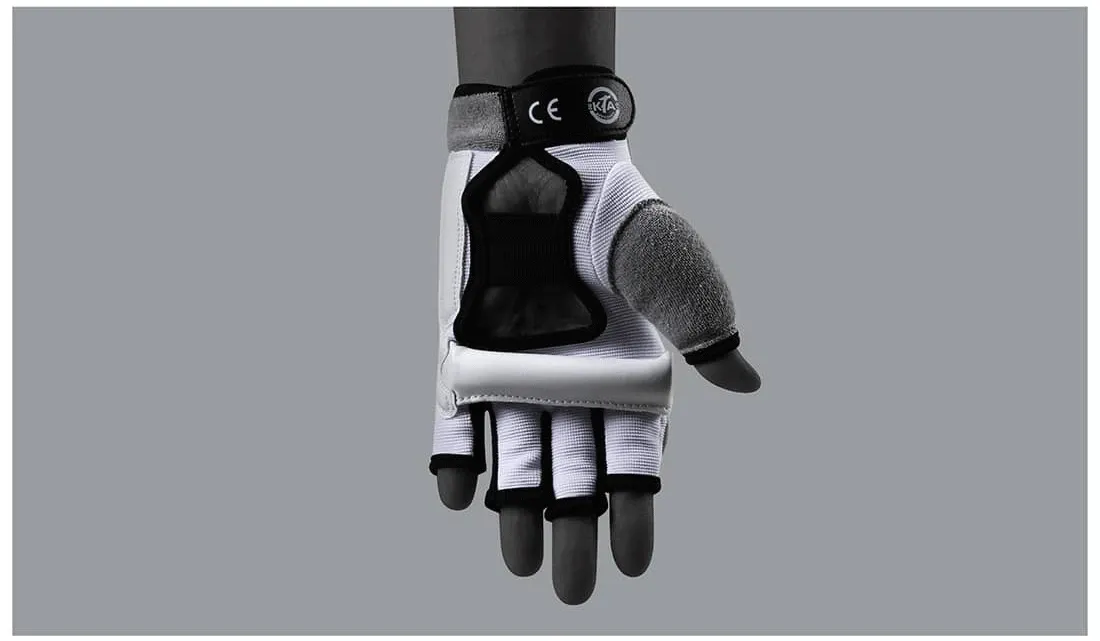
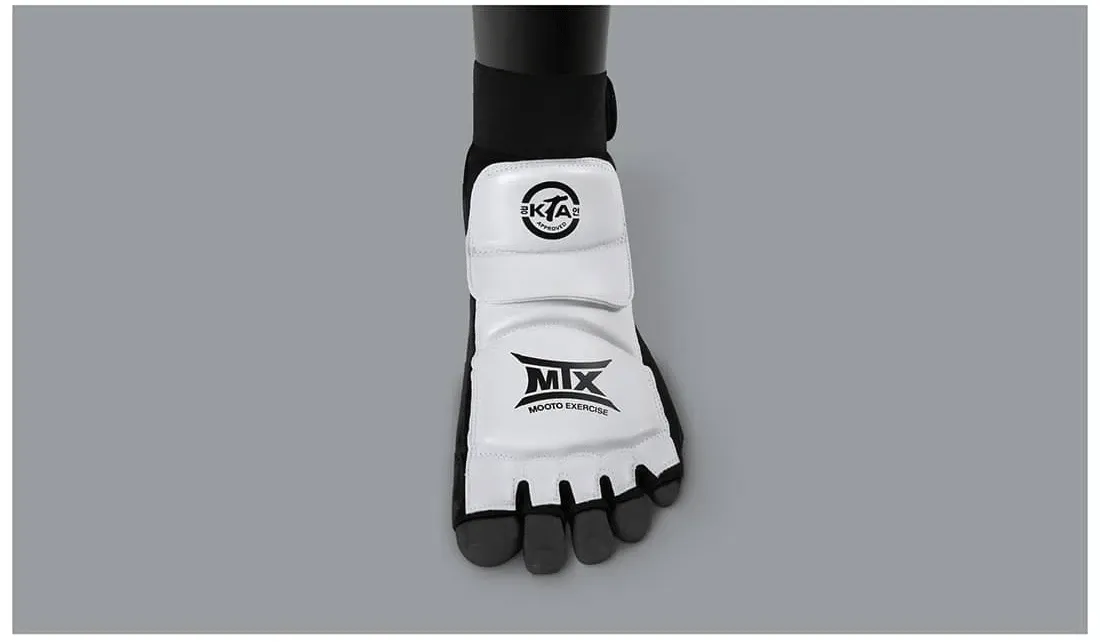
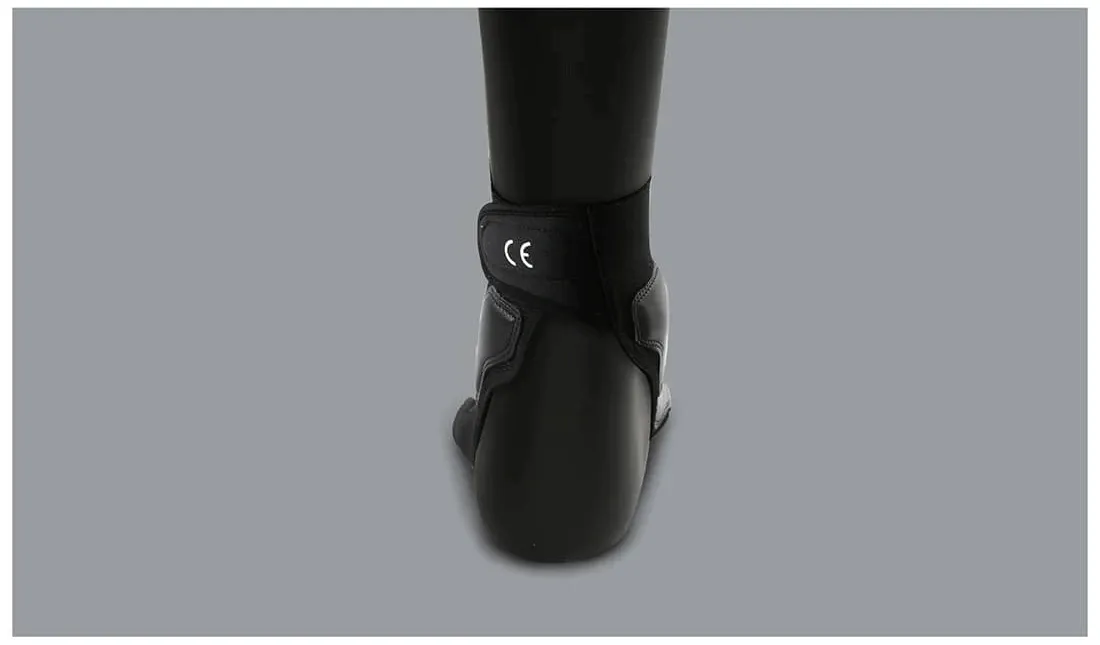
The same logic applies to protectors: competition classes should use certified protectors compatible with electronic scoring systems, while training classes can use durable basic models. Children's protectors are sized by height, not age, and head and chest circumference must be checked separately. When in doubt about sizing, ask the supplier for the official size chart and have a few representative students try the gear on - it saves far more time than exchanges after delivery. Belts follow the same rule: stock by your rank and belt-color structure and top up before promotion seasons so no student is left without the right belt after grading.
Step 3: Choosing a Channel - Direct Inquiry or Dealer Partnership
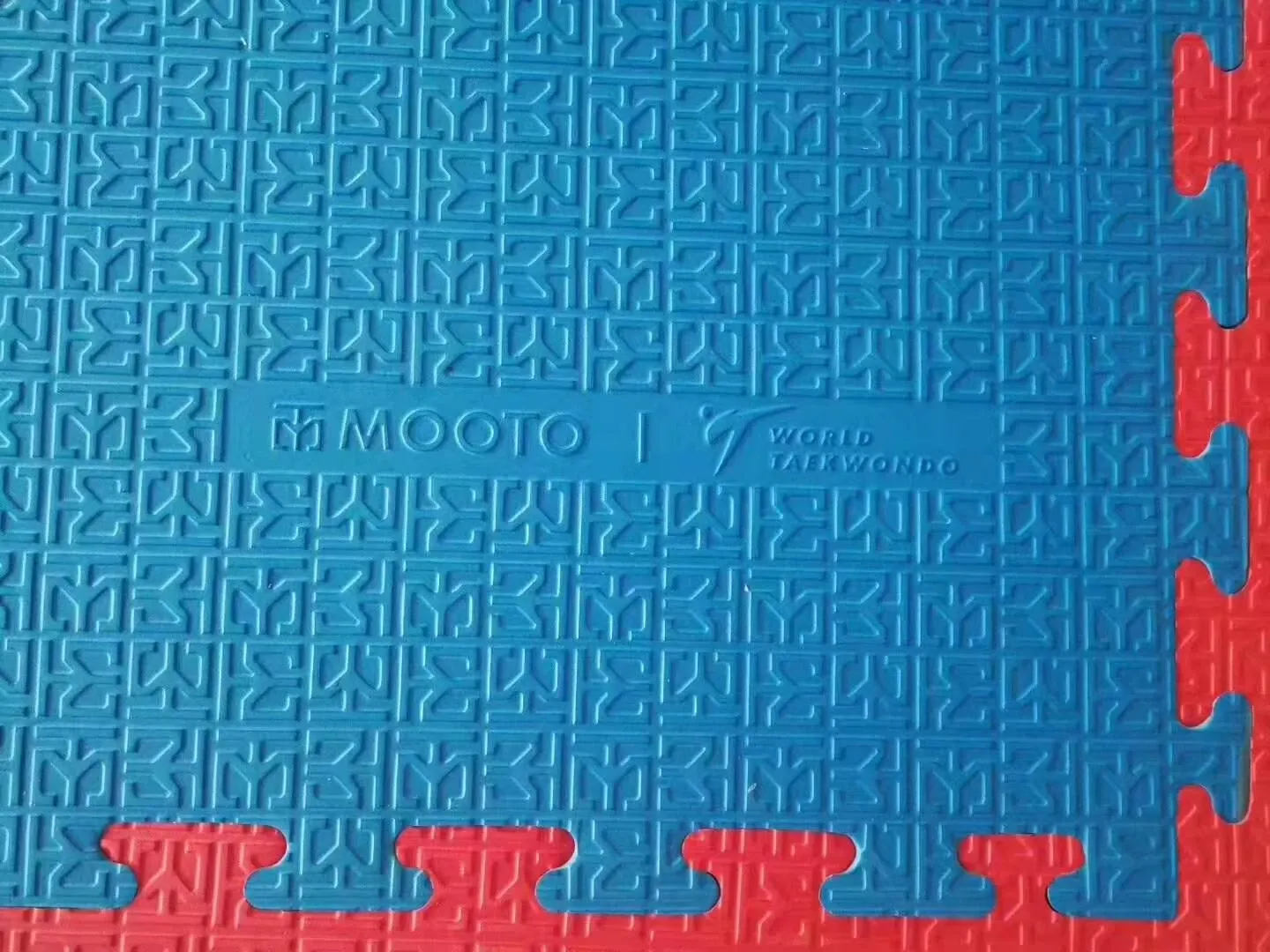
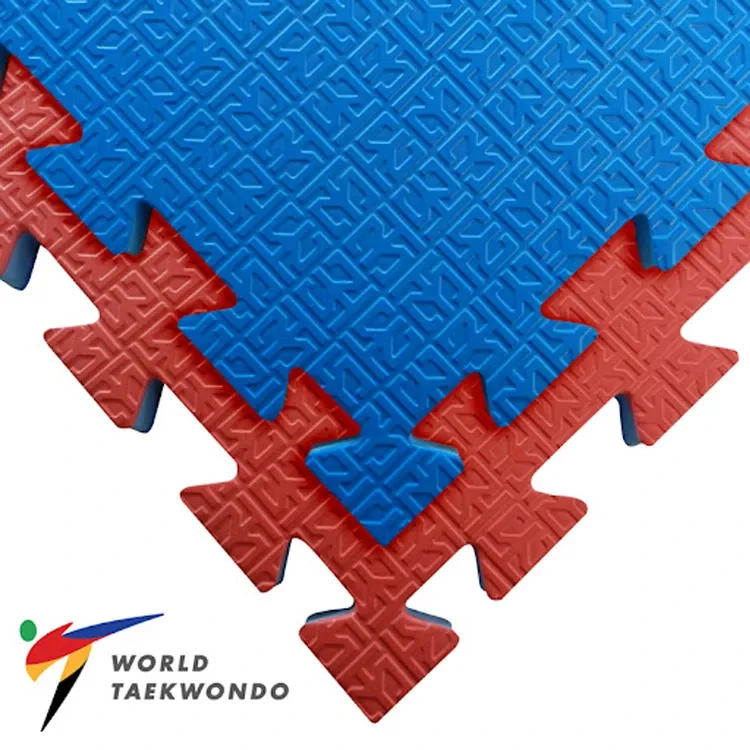
MOOTO Puzzle Mats to confirm density, thickness and dimensions before raising a bulk request.
Dealer partnerships suit regular replenishment of consumables: doboks, belts and targets all have replacement cycles, and binding one stable dealer channel unifies payment terms, replenishment rhythm and after-sales support. The two routes do not conflict: direct inquiry for large low-frequency orders plus dealer replenishment for small high-frequency ones is the purchasing structure of many mature dojos. Whichever route you take, keep samples and spec records from the same batch so later replenishment can be checked against color and parameters.
"Bulk purchasing saves not only unit price but also the management cost of repeated comparison and split deliveries."
Step 4: Prepare Your Inquiry So Suppliers Quote Right the First Time
When a quote is off, it is often not the supplier's fault but a demand description that is not specific enough. An effective inquiry carries at least six items: first, category and model, with product links or images; second, quantity and a size distribution table; third, certification and spec requirements, such as WT-approved doboks or mat density and thickness; fourth, delivery destination and expected arrival time; fifth, packaging and labeling requirements, such as embroidery or logo printing; sixth, whether installation or technical guidance is needed. The more complete the information, the closer the quote is to the real cost, and the lower the follow-up communication cost.
facility customization service, where consultants turn site measurements into layout drawings and a material list - upgrading "buying mats" into "delivering a safe, compliant training venue".
journal.faq
Q1.How much counts as a bulk order for a dojo?+
There is no single threshold: ordering doboks and protectors as full sets for a class, or mats for an entire training area, normally counts as bulk. The exact starting quantity depends on the supplier's response to your inquiry.
Q2.Does bulk purchasing always get a better price than retail?+
Bulk purchasing usually comes with a better supply package, but the final price depends on quantity, specs and delivery terms - request a quote based on your actual demand list.
Q3.What if I am not sure about dobok sizes?+
Ask the supplier for the official size chart and stock by your students' height distribution; size children by height rather than age, and keep extra sets for washing rotation.
Q4.Can bulk orders include embroidery or logo printing?+
MOOTO supports customization for doboks, team uniforms and gear. Embroidery, printing and color requirements can be raised together in your inquiry for confirmation of process and minimum order.
journal.takeaways
- →Define the demand list by class and headcount before talking price
- →Stock doboks by height segments; keep enough small sizes for kids
- →Configure protectors by sparring headcount; size children by height
- →Use direct inquiry for large low-frequency orders and dealers for replenishment
- →Include category, quantity, size distribution, certification and delivery info in every inquiry
Dojo Business category for flooring and operations references.