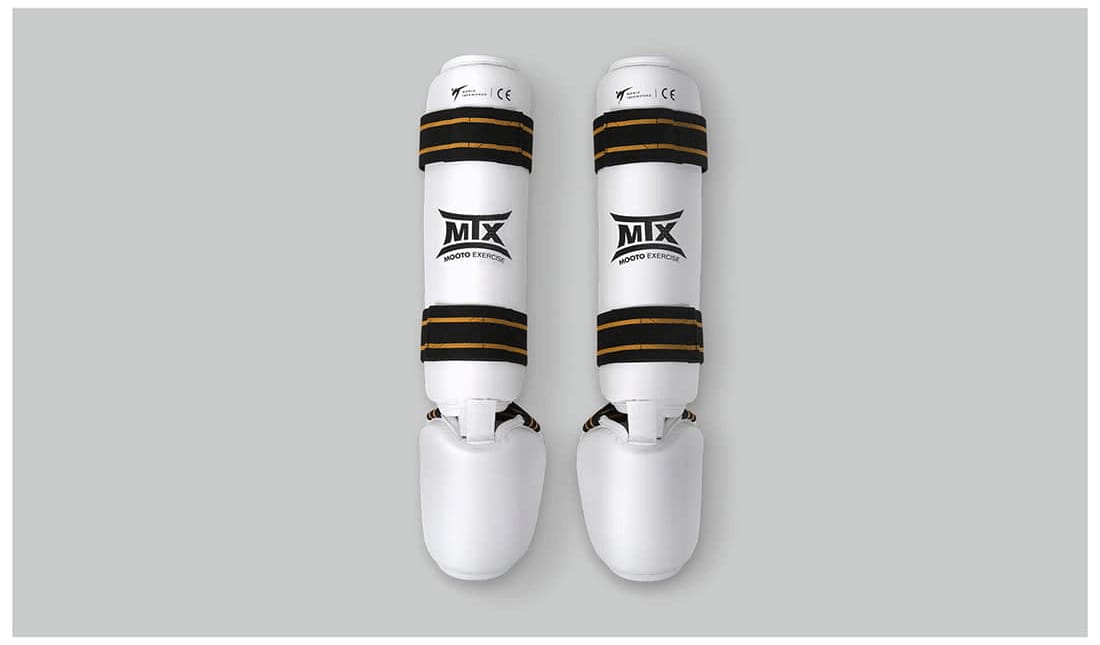
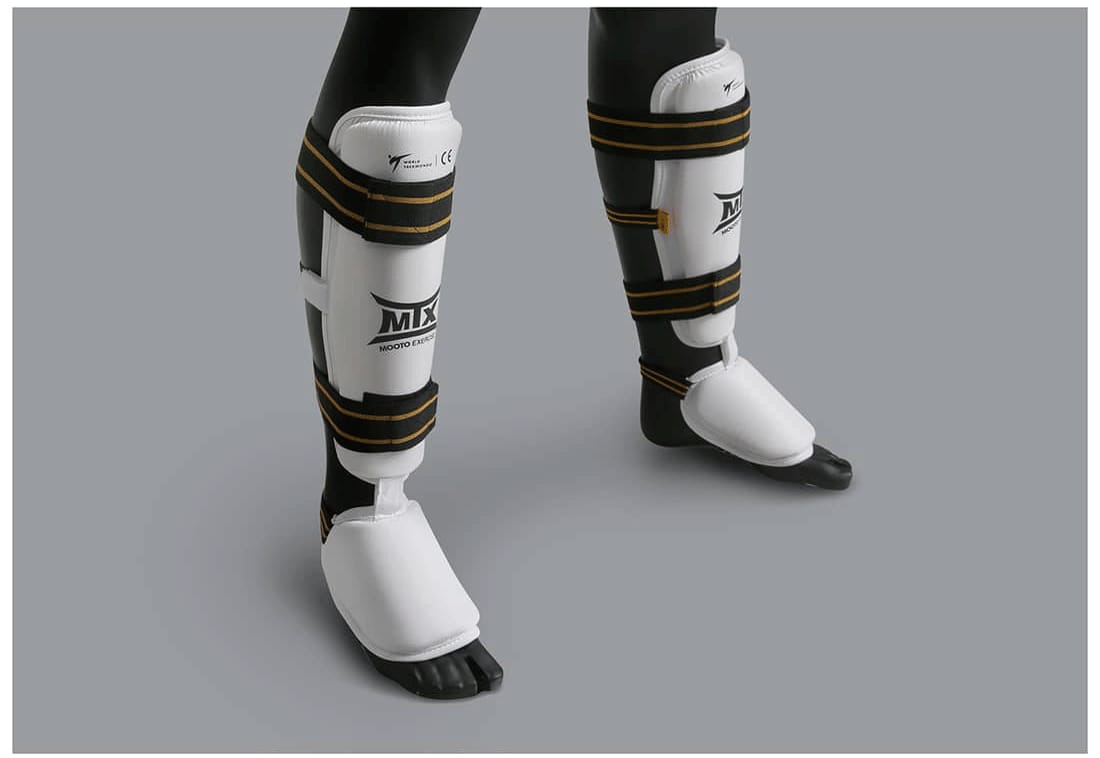
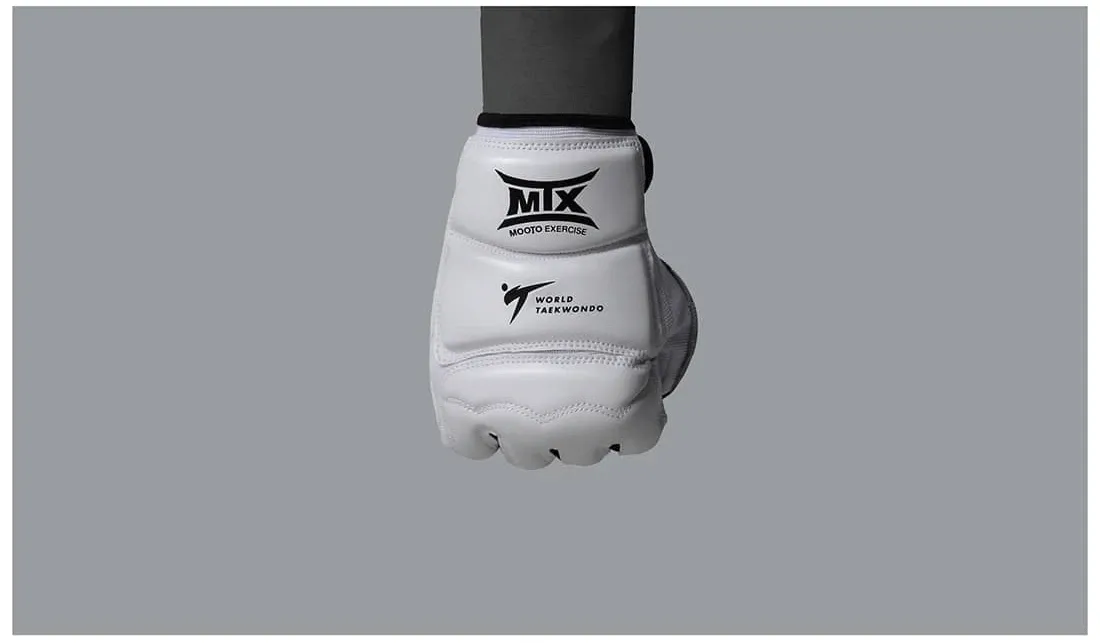
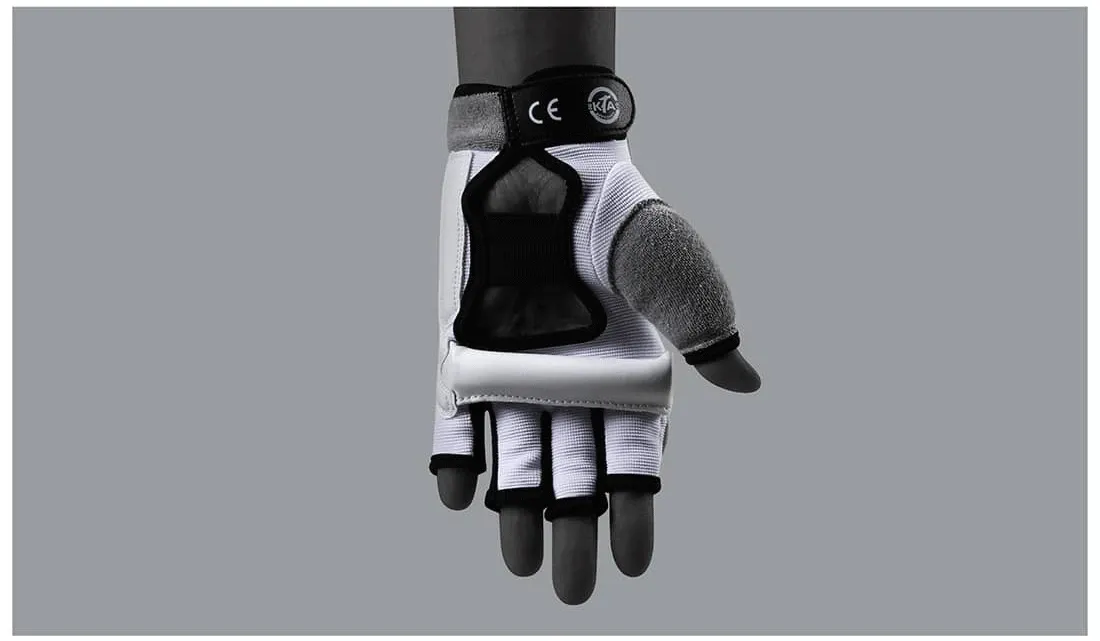
In any taekwondo dojang, the tornado kick is one of the most eye-catching moves - fast, flashy and powerful. The 540 tornado kick is the advanced version that adds half a rotation on top of the basic tornado: you rotate your torso 540 degrees before executing the aerial kick. It often appears in high-level demonstrations and competitive bouts, yet many practitioners get stuck at the stage of "spinning well but kicking poorly".
For a full picture of training gear systems, read the taekwondo training gear guide
1. The 540 Tornado Kick: More Than "One More Turn"
A tornado kick usually refers to an aerial kick after a 360-degree rotation: the jump, the turn and the kick happen almost at once. The 540 version must complete significantly more rotation before leaving the ground, demanding far more coordination, rhythm and spatial awareness - which is exactly why it is called an advanced move.
It must be stressed that the 540 tornado kick is not an isolated technique but a compound move built on solid fundamentals. If your basic tornado is not yet stable, jumping straight to 540 tends to ingrain bad motor patterns that are much harder to correct later. Stabilize your 360 first, then talk about 540.
The core of the 540 tornado kick is not "how much you rotate" but "how stable you rotate".
2. Phase-by-Phase Technique Breakdown
Phase 1: Setup and Loading
Take a right-leg kicker as an example: stand with feet in a staggered stance, weight slightly forward on the lead foot, arms relaxed and ready to swing. The key in the setup is "loaded but not stiff" - knees softly bent, torso upright, shoulders not raised early.
Many people overlook the arms. Swinging the arms horizontally at the start of rotation gives the torso initial angular velocity. The fuller the arm swing, the less effort the rotation costs, leaving more energy for the kick in the airborne phase.
Phase 2: Initiating the Rotation
Rotate on the lead foot. The head and eyes must lead the body: turn your head toward the target first, then let the shoulders and hips follow. "Head first" is the easiest point to verify and the easiest to ignore - when the eyes lock on the target, the body has a reference for the rotation.
Keep the torso upright and knees soft during the rotation, with your center of gravity over the supporting foot. If you lean back at this point, the rotation axis shifts and both the jump and the kick that follow will fall apart.
Phase 3: The Aerial Kick
When the lead foot leaves the ground and the body has completed roughly 540 degrees of rotation, the aerial phase begins. The non-kicking leg chambers up first to create room, then the kicking leg is driven by the hip, extending from bend to snap, whipping toward the target.
The height and direction of the kick depend on the orientation you reserve during rotation. This phase tests hip flexibility and explosive power most: open hips kick higher, a braced core keeps the body stable.
Phase 4: Landing and Absorption
Landing is often treated as "the end of the move", but it actually determines the quality of what comes next. Land on the ball of the foot first, absorb through a natural knee bend, and keep the center of gravity neutral - avoid lunging forward or leaning back after touchdown.
Practicing spinning landings on hard floors or while fatigued amplifies the impact on knees and ankles. Train on mats and give your joints enough recovery time.
3. Four Common Mistakes and Fixes
Mistake 1: Leaning back. The torso tilts backward during rotation and the center of gravity drifts off the axis. Fix: imagine a string pulling you up from the crown of the head - keep the torso upright and the core braced throughout.
Mistake 2: Eyes and body out of sync. The head does not turn toward the target early, so you lose orientation in the air. Fix: turn the head first, then the body - keep the eyes locked on the target.
Mistake 3: Bad takeoff timing. Take off too early and the rotation is incomplete; too late and the ground eats your rotation speed. Fix: push off at the smoothest moment of rotation speed and break the rhythm down in slow motion.
Mistake 4: Low kick height. The hips stay closed, so the kick sweeps instead of snaps. Fix: add hip flexibility work and actively open and drive the hip on the kick.
4. Supporting Conditioning
Jump height directly determines the quality of the 540 tornado kick, and height comes from leg power and core rotational strength. Schedule 2-3 dedicated sessions per week: depth jumps, single-leg hops and weighted knee drives for leg power; Russian twists and rotational medicine-ball throws for the core; dynamic hip stretches and side-split practice for kick height and range.
Alternate conditioning and technique work: technique days focus on move breakdown, conditioning days on strength and flexibility. Avoid exhausting both in a single session.
5. When to Use It in Sparring and Competition
In sparring, the 540 tornado kick is not a regular weapon - it is a timing weapon. It works best the moment your opponent shifts weight backward or retreats, when they are in motion and least able to read a spinning attack. On distance: make sure your kicking leg can actually reach after the jump - too far and the move collapses, too close and you get countered.
Also be honest about the risk: a spinning move exposes a brief back window, and a mistimed attempt can hand your opponent easy points. For most practitioners, my advice is to train the 540 until it is a move you can "pull back" at any moment before ever using it in contact.
6. Safety Notes and Progression Path
Suggested progression: stabilize the 360 tornado kick, then practice the 540 in place as a breakdown (rotate first, then kick), then slow full moves, then full-speed moves, and finally combine with sparring scenarios on mats. Accept only "unchanged form" as the pass standard at every step - not "how fast you spin".
Stop immediately if you feel knee or ankle pain or dizziness during training, and resume only after full recovery. Spinning work loads the vestibular system heavily - gradual progression always beats crash training.
journal.faq
Q1.How long does it take to learn the 540 tornado kick?+
It depends on your base. Practitioners with a stable 360 tornado typically need 4-8 weeks of systematic breakdown training; beginners should finish the 360 stage first.
Q2.What surface do I need?+
Train on mats or wooden floors, never concrete. In the early stage, always break down landings on mats.
Q3.What if my landing is unstable?+
Most unstable landings come from an off-axis rotation or locked knees on impact. Go back to Phase 2 and check your upright torso, and actively bend the knees on landing.
journal.takeaways
- →Train the 540 tornado in four phases - setup, rotation, aerial kick, landing - polishing each one separately
- →Rotation stability matters more than rotation speed; the eyes must lead the body to the target
- →Progress from 360 to 540 gradually; unchanged form is the only acceptance standard
- →Leg power and core rotational strength decide jump height - 2-3 dedicated conditioning sessions a week
- →In sparring, timing is everything; the exposed back window of spinning moves is the biggest risk
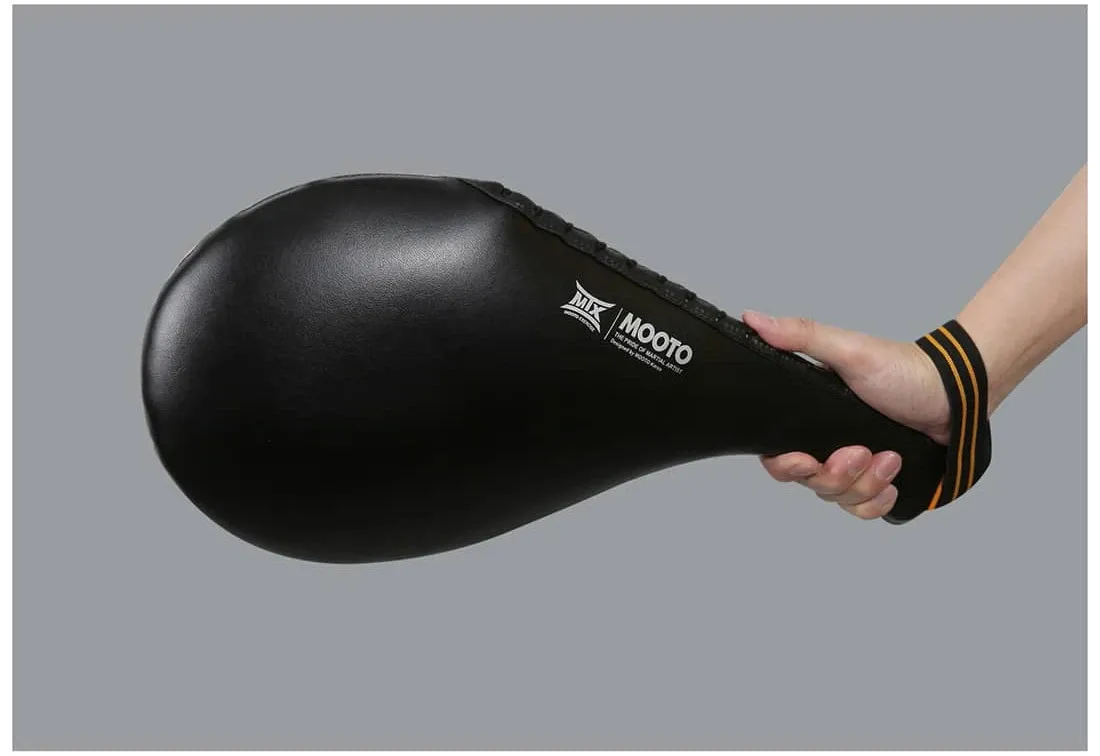
MTX Target Mitt Single/Double
适合各种打击和踢腿训练。
Training & Technique columntraining gear such as MTX target mitts