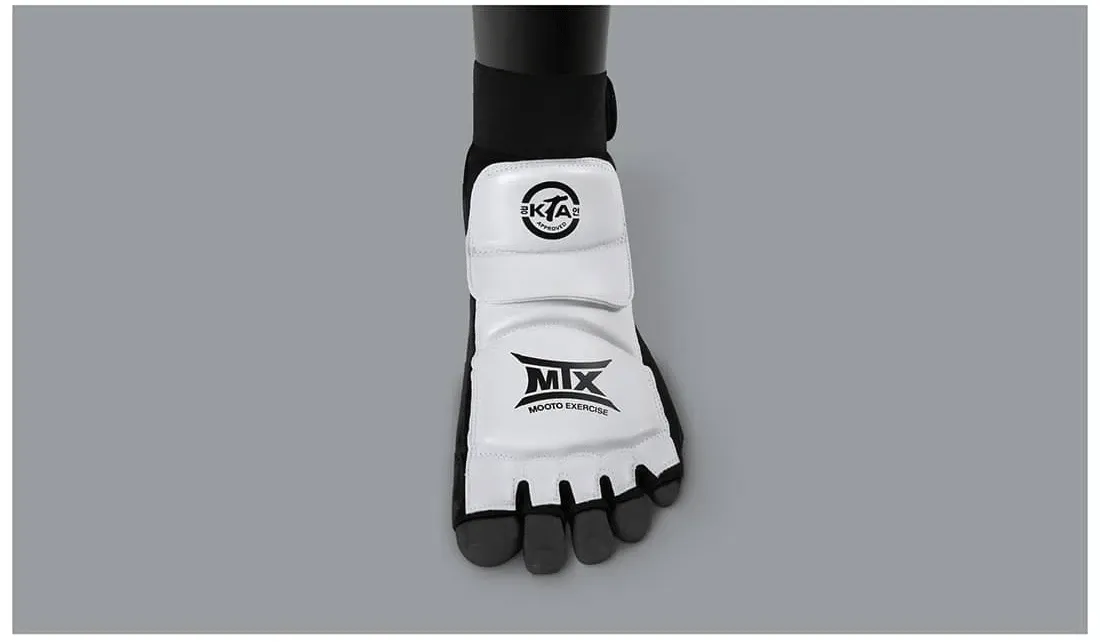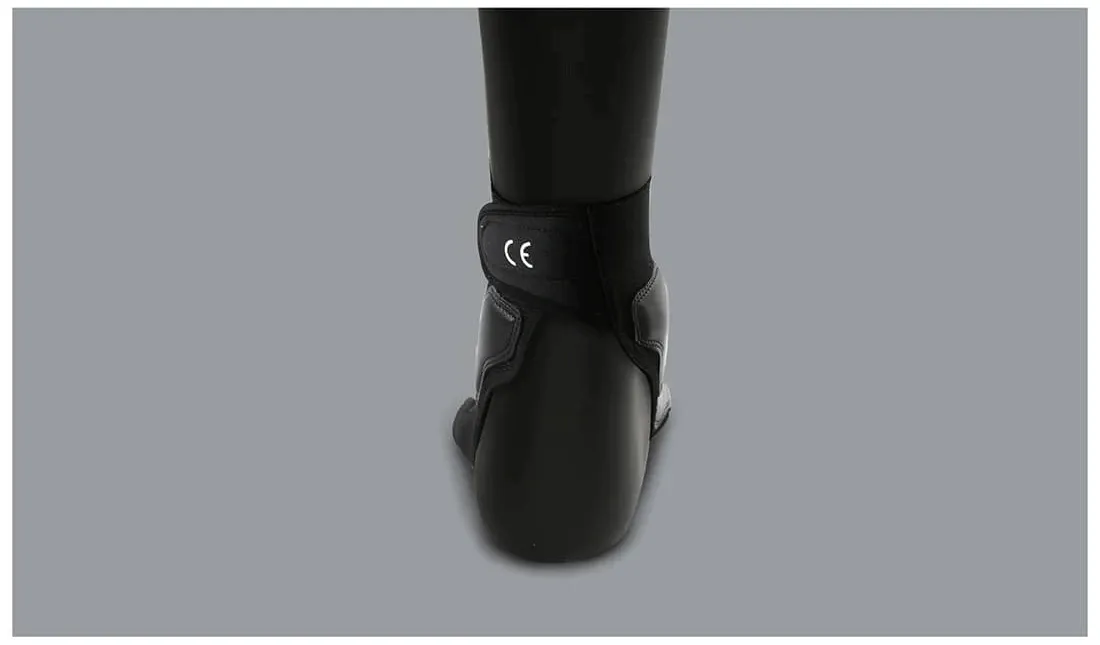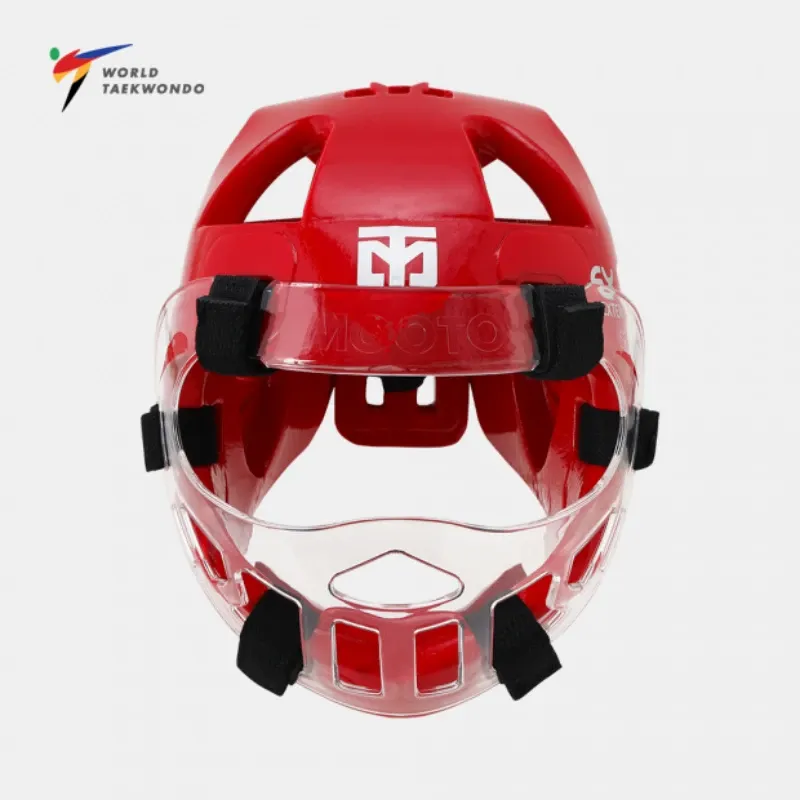
Dojo buyers and athletes often ask the same question: why is there such a price gap between protectors that look similar? The answer lies in the R&D process. From cushioning material selection and structural design to repeated biomechanics validation and real competition testing, a WT-certified competition protector is far more than cut, sew and ship. This article takes you inside the MOOTO R&D center to break down the full journey of a protector from the lab to the arena.
Why Competition Protectors Are Hard to Build
A protector is about safety - but in competition, safety is never the only metric. A proper competition hand protector must absorb high-impact force to shield the wrist and knuckles, yet stay light enough not to slow down punching speed. A head protector must protect against impact while keeping vision clear and hearing unaffected. Cushioning performance and freedom of movement are natural opposites - and that is the core challenge of protector R&D.
MOOTO has been an official partner of World Taekwondo (WT) since 1984, so its protector R&D has always been built around competition standards. With the spread of electronic scoring systems, protectors must not only protect well but also avoid interfering with scoring - this raises the complexity further: zoning accuracy and surface flatness can both affect electronic sensing performance.
Step One: Cushioning Materials and Structural Design
R&D begins with materials. Different body parts and different loading patterns require different cushioning solutions: high-frequency impact zones need closed-cell foam with strong rebound; zones that need close support combine rigid shells with flexible inner liners. The team builds a force model for each zone, then screens the material library for the right cushioning scheme, comparing rebound rate, compression set and long-term durability again and again.
Cushioning performance and freedom of movement are the two ends every protector R&D must balance.
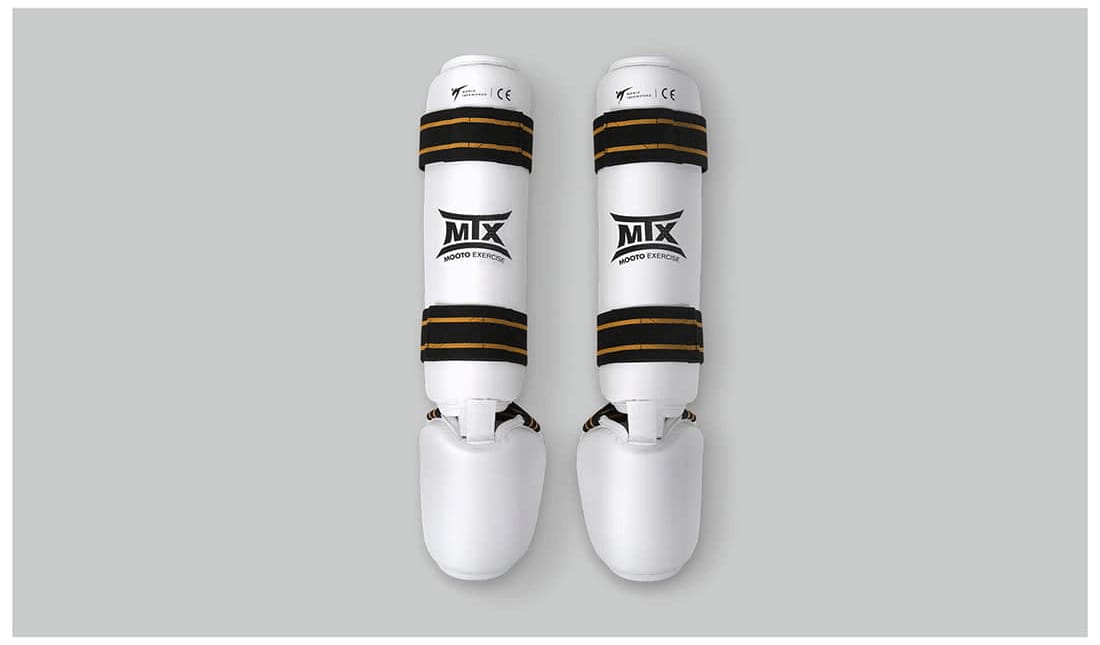
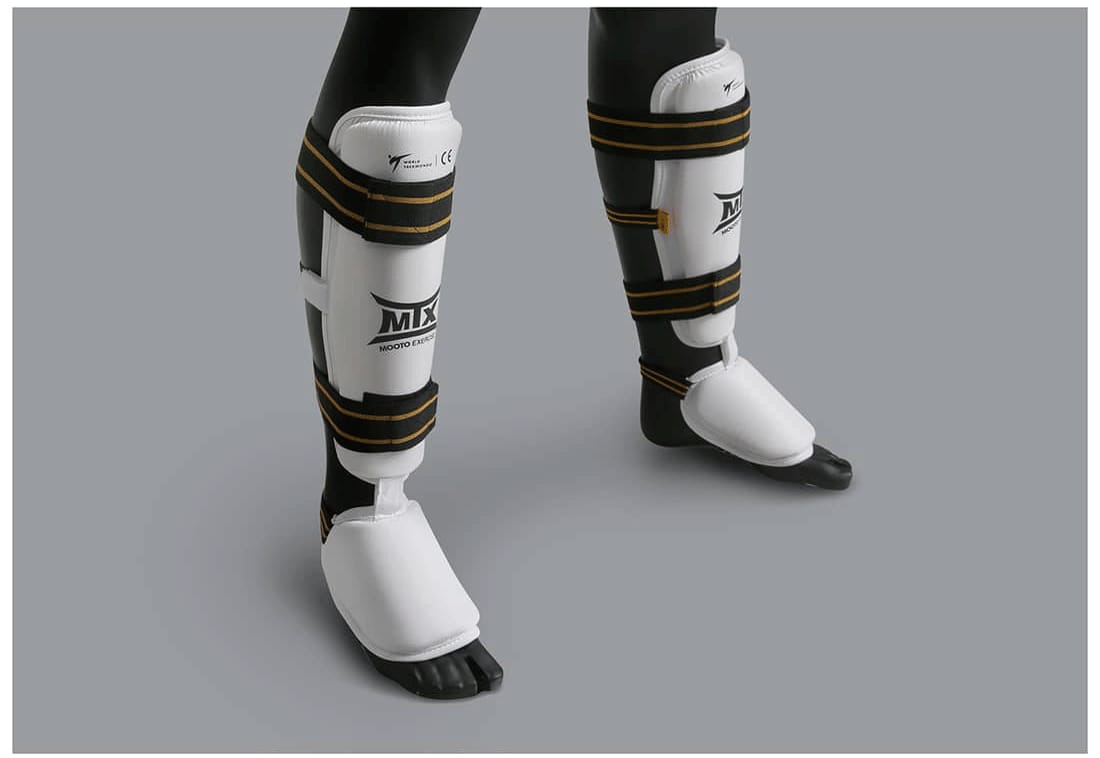
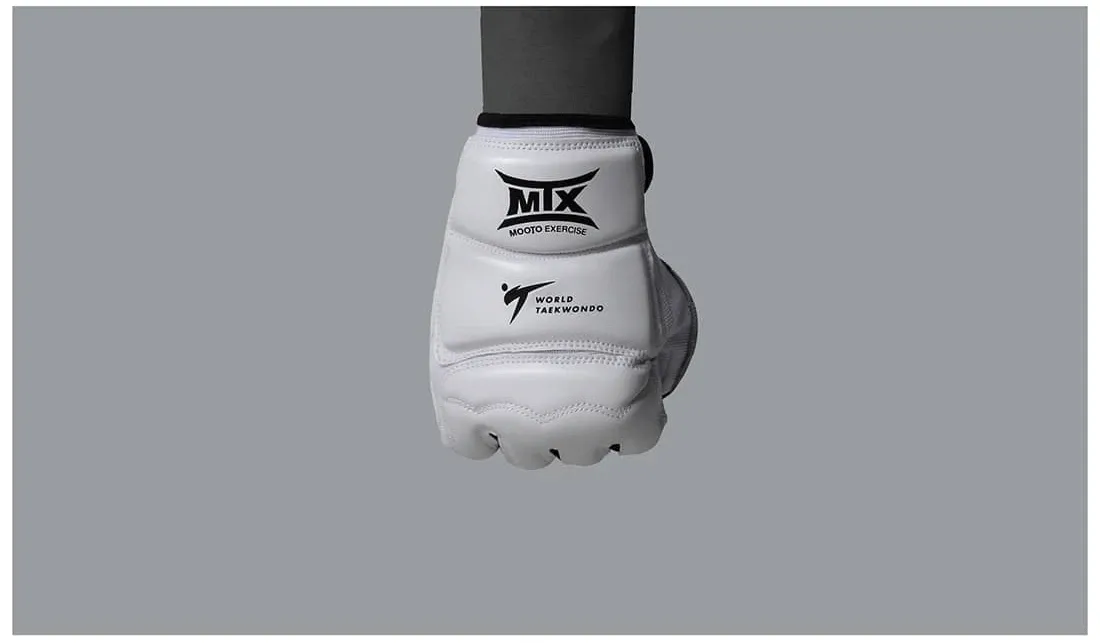
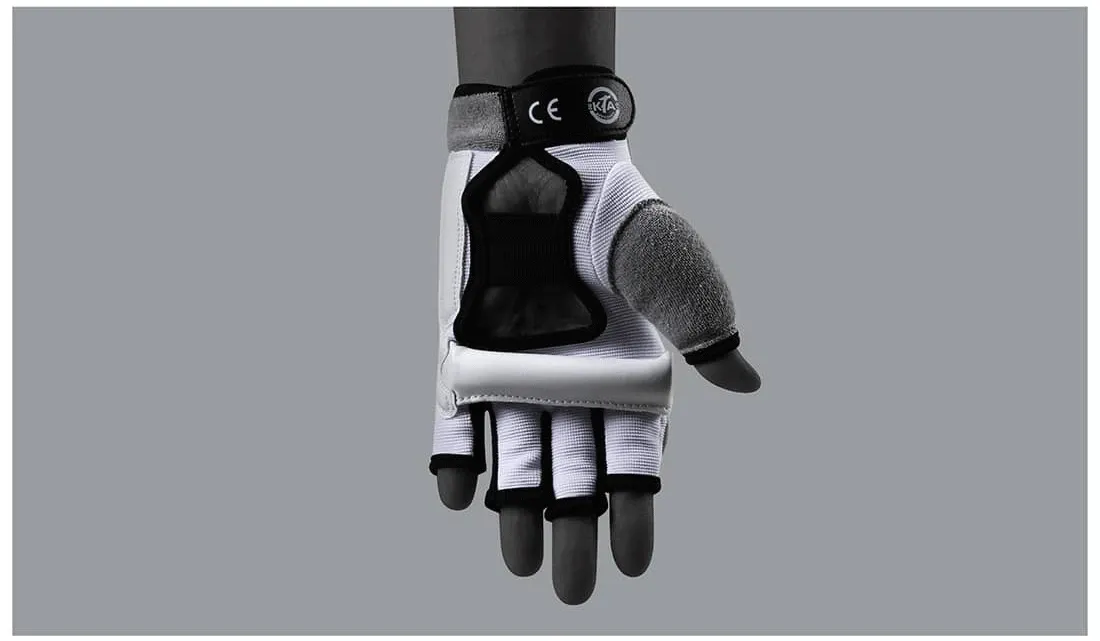
Structural design follows: the panels, contours and fastening system decide whether a protector fits the body's curves and stays in place during intense exchanges. In the MOOTO MTX protector line, for example, the hand protector uses a segmented design for better fist flexibility, while the headgear uses multi-density padding to balance protection and breathability - details refined through round after round of prototyping, wear-testing and revision, each version driven by real user feedback.
Step Two: Biomechanics and Wear Testing
Materials and structure are only on paper; the real test starts with biomechanics. The team invites athletes of different builds and belt levels to wear the prototypes and captures movement data to see whether the protector restricts joint range of motion or disturbs natural kicking and punching mechanics. If a hand protector slows a fist by 0.1 seconds, that could be the difference between scoring and missing in competition.
Protectors also go through repeated impact and durability tests: simulating high-frequency strikes, pulling and drops in sparring to confirm that the cushioning keeps performing after long-term use. For the buying logic - the difference between WT-certified and training grade, and how to choose sizes - see our earlier
Step Three: From the Lab to the Competition Floor
No matter how good the lab data looks, the final exam happens in the arena. MOOTO protector R&D follows a competition feedback loop: gear is used in real sparring, and feedback from athletes and coaches flows back to the R&D center as input for the next generation. In the electronic scoring era, system compatibility matters just as much - whether a protector affects electronic sensing and whether it complies with competition rules are both validated before mass production.
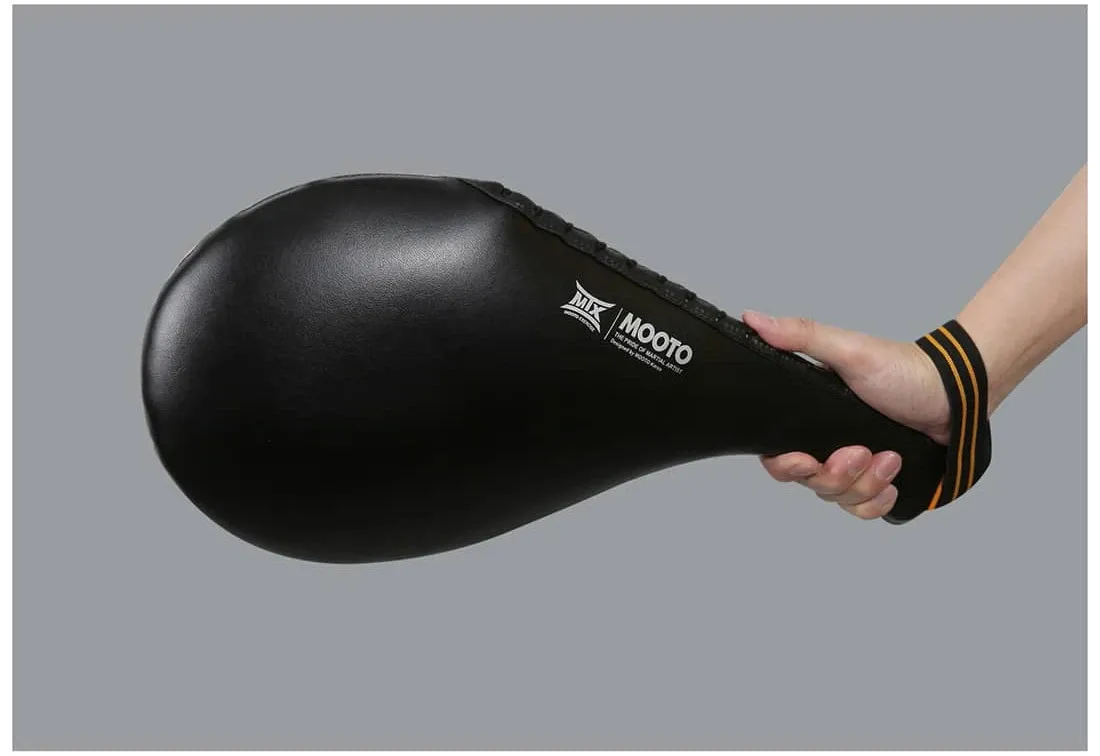
This is why MOOTO protector development is measured in years: materials, structure, biomechanics, competition validation - no step can be rushed. For dojo buyers, this means that when choosing protectors, R&D strength matters more than spec sheets -
The Direction of Protector R&D: Balancing Safety and Freedom
Looking at a longer horizon, the direction of protector R&D has always been clear: finding a better balance between safety and freedom. Lighter, more form-fitting and more breathable materials, more precise zonal protection and smarter fitting methods are all directions in progress. For athletes, protectors are the last line of defense before stepping onto the floor; for MOOTO, that line deserves the most careful craft. For more stories behind the gear, browse our
journal.faq
Q1.What is the difference between WT-certified and training-grade protectors?+
WT-certified protectors must meet WT competition standards with clear requirements on cushioning, structure and event compatibility, mainly for competition; training grade focuses on protection and durability for daily practice. Dojo buyers can configure according to usage scenarios and budget.
Q2.How long does it take to develop a competition protector?+
From project kickoff to mass production, development is usually measured in years, covering material screening, structural prototyping, biomechanics testing and competition feedback validation - each step directly affects final performance and safety.
journal.takeaways
- →The core tension of competition protector R&D is balancing cushioning with freedom of movement
- →Materials, structure, biomechanics and competition validation form the complete R&D chain
- →In the electronic scoring era, protectors must also fit event adaptation and sensing performance
- →When buying protectors for a dojo, R&D strength matters more than appearance specs
- →Protectors are the last line of defense before stepping onto the floor - worth the most careful craft