Training Gear: The Right Setup Beats the Biggest Haul
Many trainees spend their gear budget on the flashiest items while ignoring the tools used most in training. A real system builds around three layers: foundation (dobok, mouthpiece), sparring (protectors, targets), conditioning (shields, accessories).
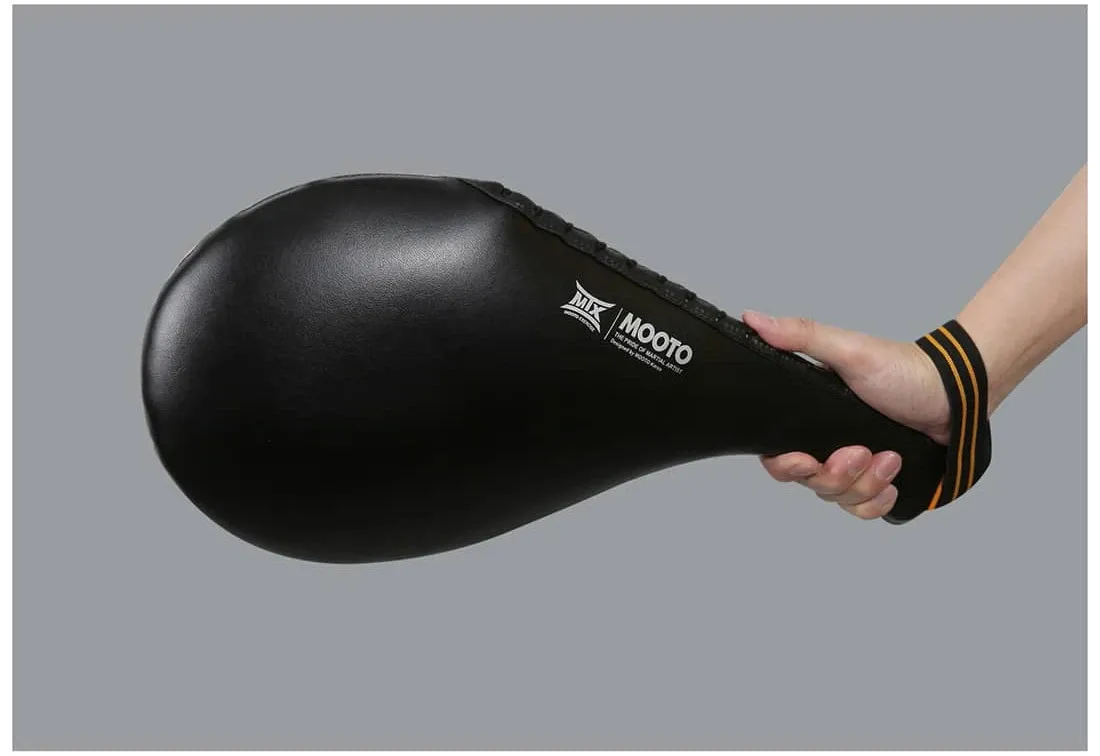
For coaches, targets are the language of training. Hand paddles build distance sense for beginners, foot shields suit power and combination drills, and large kicking shields handle impact and defense training. MOOTO's MTX target mitt line (view MTX targets) uses high-rebound EVA cores that stay light in the hand for long sessions.
Safety red line: youth sparring requires WT-standard protectors (head, trunk, shin, forearm, mouthpiece), and full-power head kicks are strictly forbidden.
Layer One: Foundation Gear, Every Trainee's Start
The foundation layer covers safety baseline and training discipline: a well-fitted dobok (see our size guide), a mouthpiece, and shoes with solid grip. The mouthpiece matters most - about 30% of youth training injuries involve the mouth area.
Layer Two: Sparring Gear, the Bridge from Safety to Combat
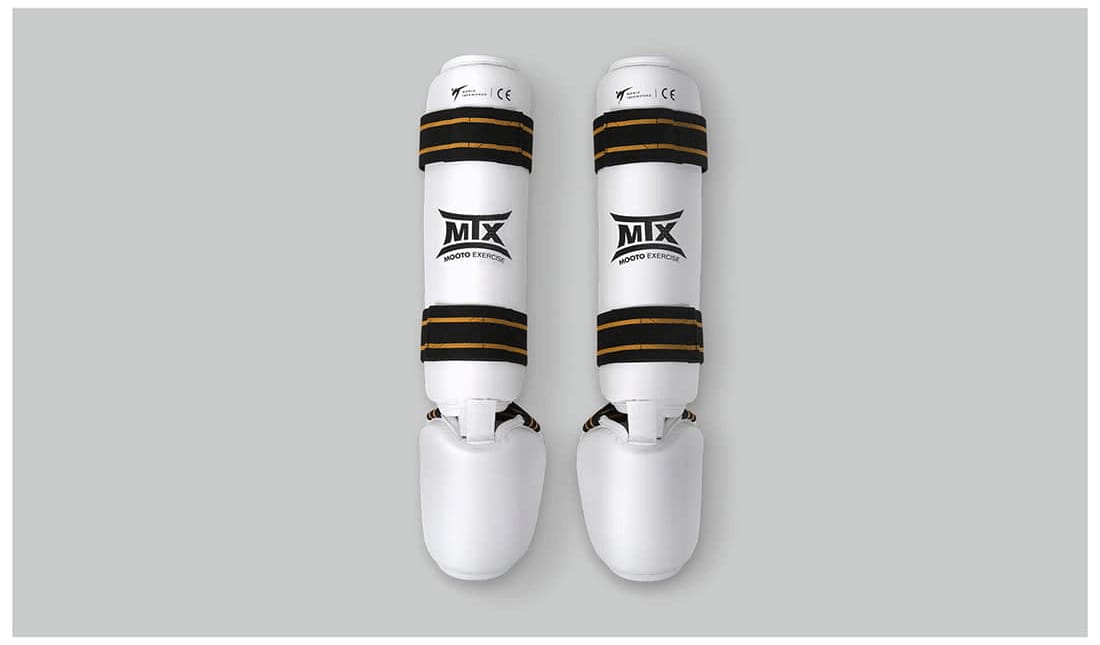
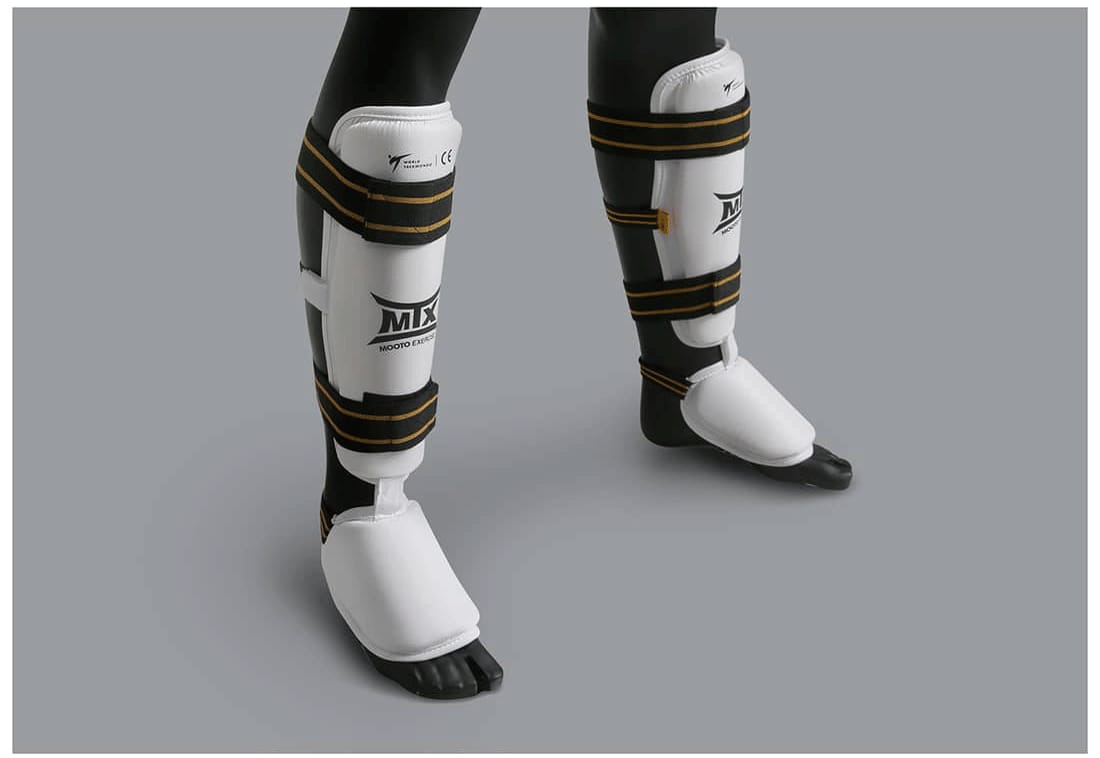
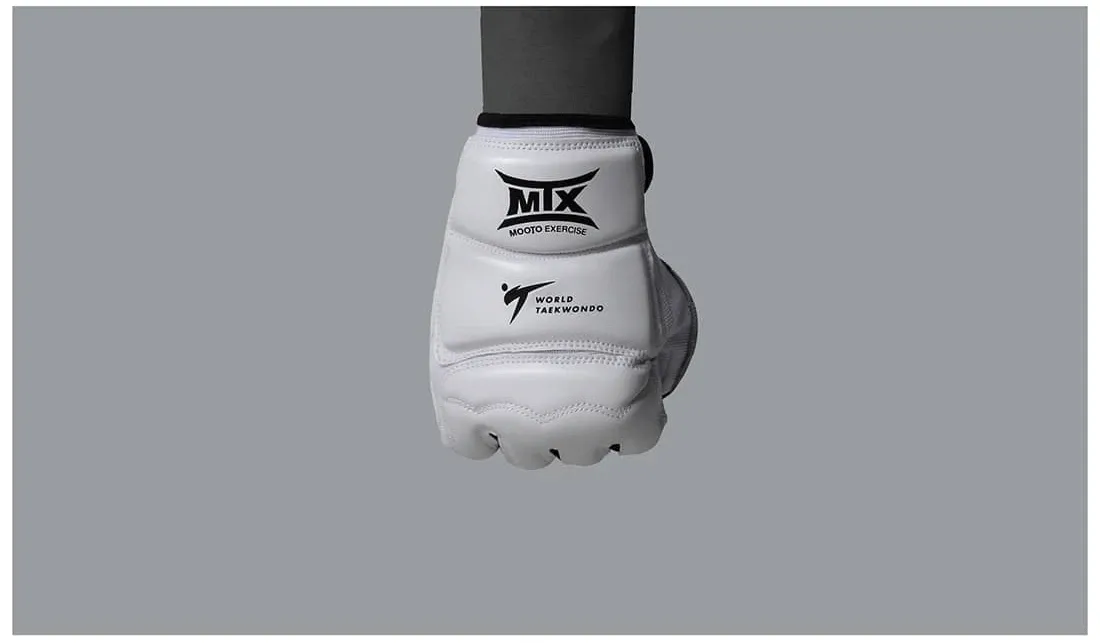
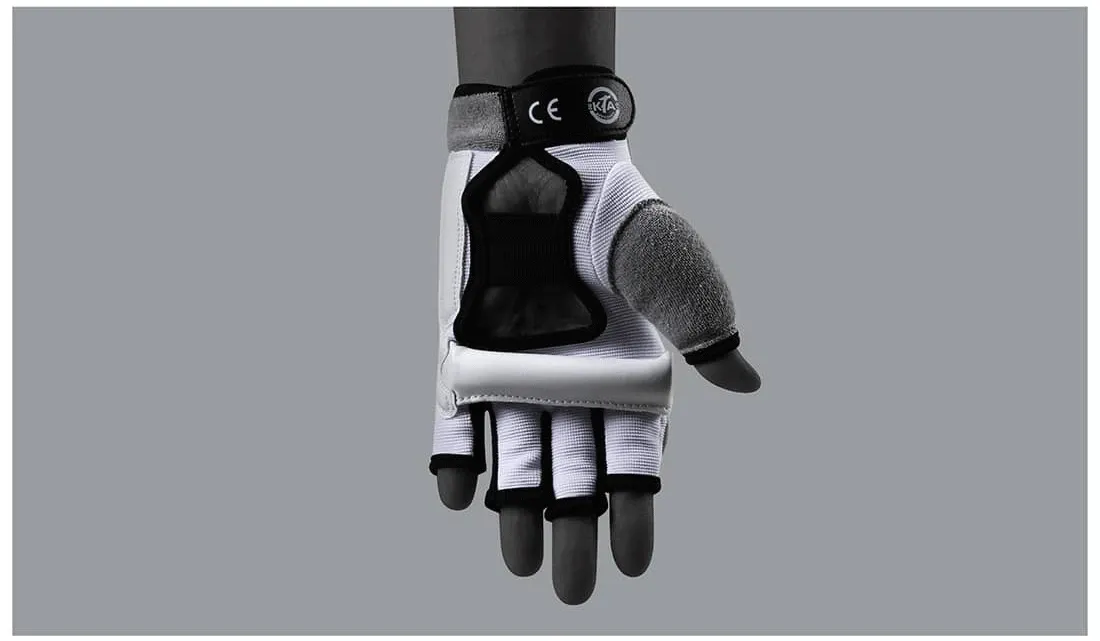
In sparring, protectors let athletes train at full intensity without fear of injury. Add headgear, trunk guard, shin and forearm guards progressively as intensity rises. The rule: over-protect, never under-protect - one injury costs far more than a full set.
"A protector's value is not its price but whether it lets you go all-in without holding back."
Layer Three: Conditioning Gear That Doubles Results
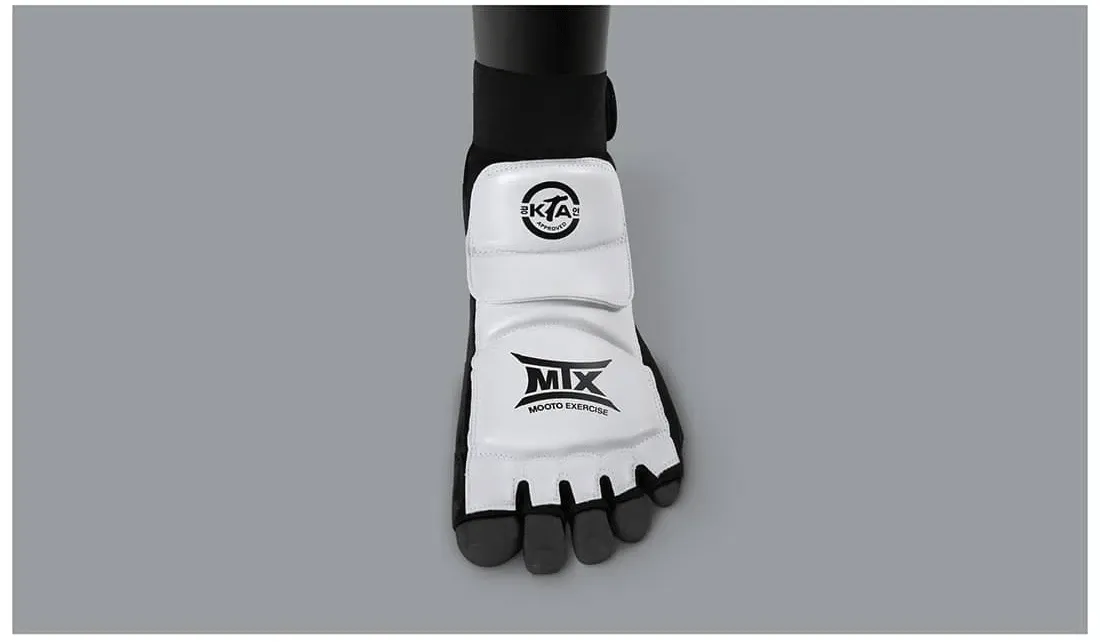
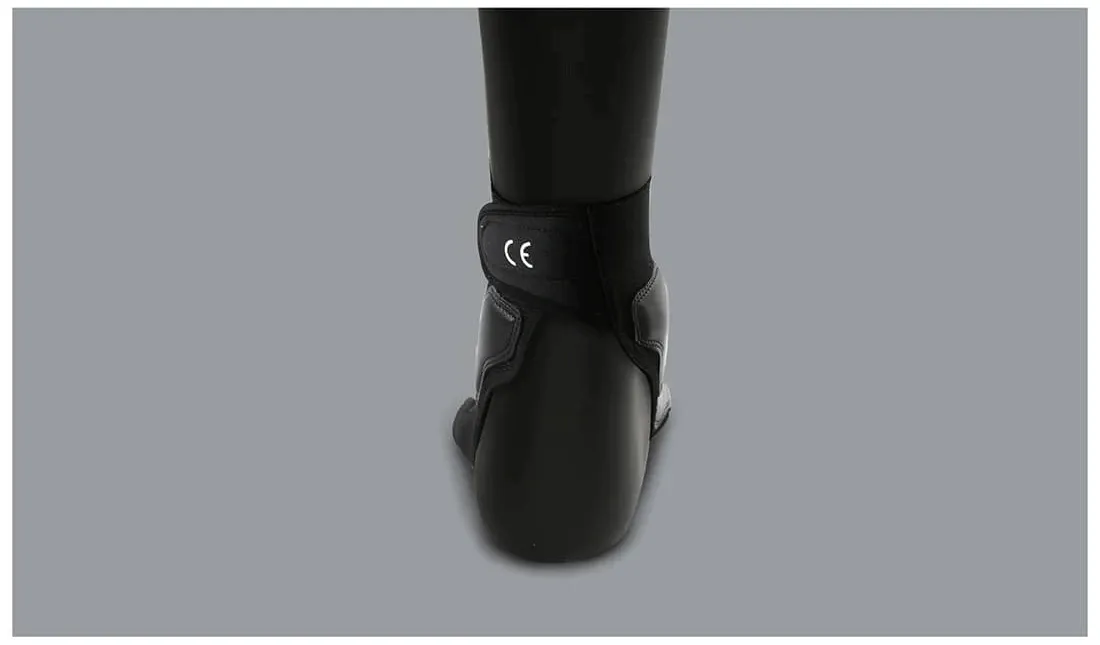
The conditioning layer drives intensity and efficiency. Foot shields plus resistance bands raise kick frequency; agility ladders and cones sharpen footwork and reactions. MOOTO's training accessory line covers these high-frequency tools so dojangs never scramble.
A Repeatable Weekly Gear Plan
Mon & Wed: technique day - dobok + target mitts (power, combinations). Tue & Thu: conditioning - dobok + foot shields + bands. Fri: sparring day - full protectors + mouthpiece + kicking shield. Weekend: recovery & poomsae - dobok only. Rotating gear by training day spreads wear and keeps budgets efficient.
A final note for parents and coaches: gear sizing must follow a child's height. Undersized protectors fail to protect; oversized ones hinder movement. Checking wear and fit every six months is basic dojang discipline.
MTX Target Mitt Single/Double
适合各种打击和踢腿训练。
journal.faq
Q1.Do beginners need a full protector set?+
No. Start with foundation gear (dobok, mouthpiece), then add headgear, trunk guard, shin and forearm guards progressively once sparring begins.
Q2.What's the difference between target mitts and foot shields?+
Target mitts strap to the shin for power and combination drills with less coach fatigue; foot shields attach to the foot for impact and defense training.
Q3.How often should youth gear be checked?+
A full check every six months: padding compression, Velcro condition, mouthpiece fit. Re-evaluate size when height changes by more than 5cm.
Q4.How do I choose a mouthpiece?+
Choose boil-and-bite models for a secure fit. Youth athletes should replace theirs every 6-12 months as teeth change.
journal.takeaways
- →Three layers: foundation / sparring / conditioning - add as you progress
- →Mitts for power & combinations, shields for impact & defense, big shields for absorbing
- →Youth sparring requires WT-standard protection; no full-power head kicks
- →Check gear every 6 months; resize as kids grow
The end goal of training gear is moving your attention from "will I get hurt" to "how do I train better." A well-set system paves that road.