Opening a dojo is more than renting a space, laying mats and hanging a sign - whether it is a taekwondo dojo or a multi-sport martial arts gym, every step - floor measurement, mat installation, gear purchasing, safety inspection and trial operation - can turn into long-term costs if done wrong: wrong measurements mean rework, lifting mats mean replacement, and poor traffic flow directly hurts retention. This article breaks the opening process into five phases and gives you a checklist you can follow directly.
Phase 1: Floor Measurement and Zoning
Before construction begins, measure everything: dimensions, ceiling height, door width, floor load and fire exits. Many taekwondo dojos only discover columns in the way, ceilings too low for high kicks, or doors too narrow for large roll mats during the renovation phase - problems that cost almost nothing to fix on paper but real money once construction starts.
Measurement checklist
First, plan zoning: about 70% training area, 20% reception and changing rooms, 10% storage. Second, keep at least 1 meter of safety aisle around the training area and a buffer zone along the walls to avoid hard contact with kicks. Third, record every doorway and elevator size to confirm that roll or puzzle mats can be brought in. Fourth, check floor flatness and load capacity - especially for converted warehouses and basements.
Every measurement before opening is the cheapest chance to correct mistakes.
Phase 2: Mat Selection and Installation
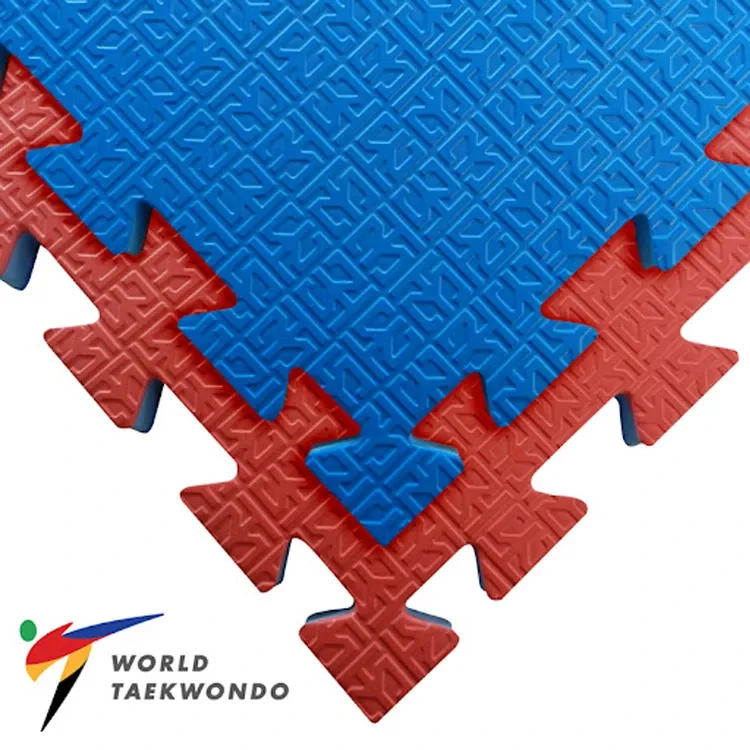
Mats are the biggest single investment of a dojo and the core of safety. Puzzle mats are easy to zone and adjust later, making them ideal for dojos with flexible layouts; roll mats have fewer seams and a flatter surface, suiting fixed venues. Whichever you choose, check three parameters: density determines cushioning and support, thickness determines impact absorption, and surface material determines slip resistance and cleaning ease.
Dojo Mat Buying & Installation Guide.
Try mats before installation; use the three-parameter method for selection.
Phase 3: Gear List and Budget
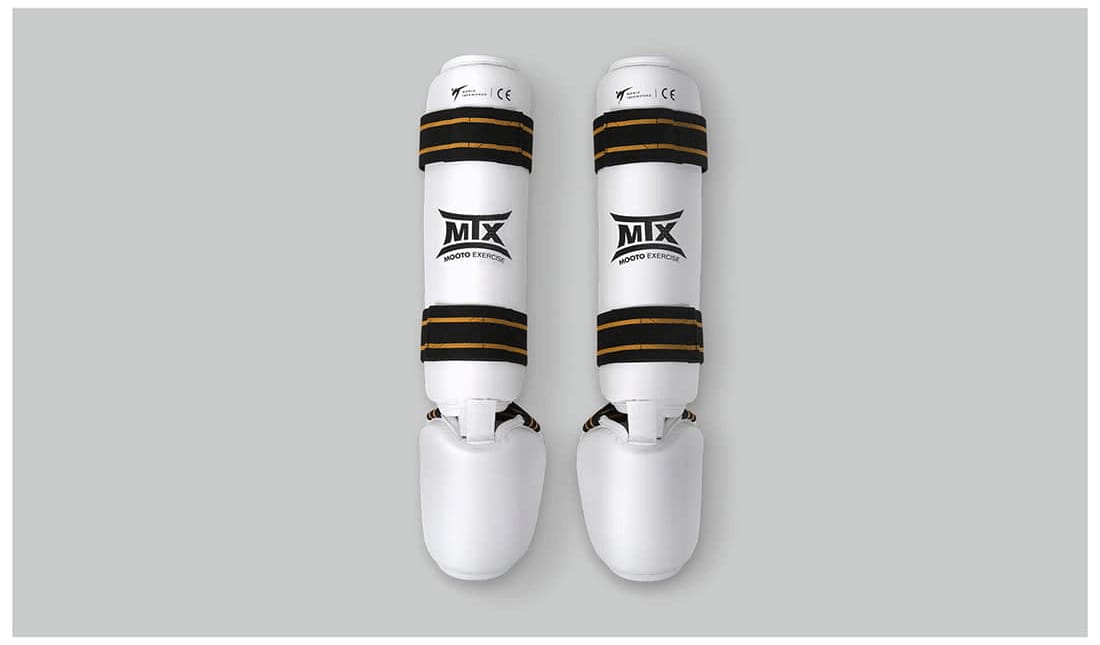
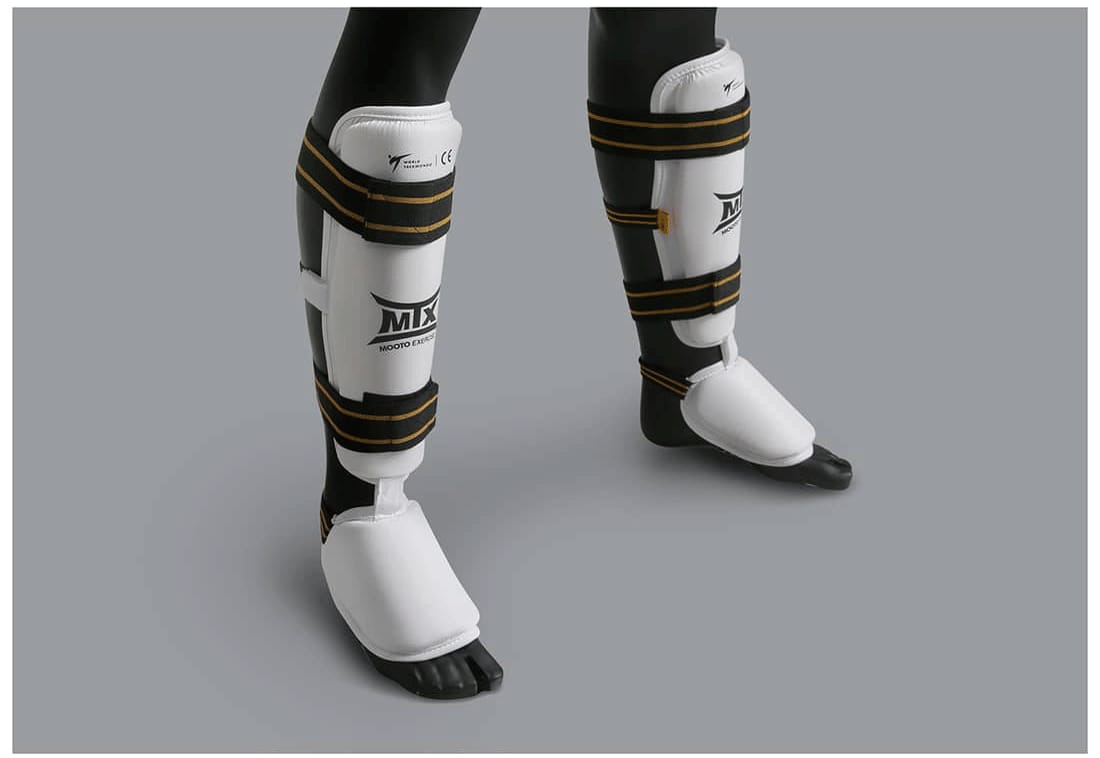
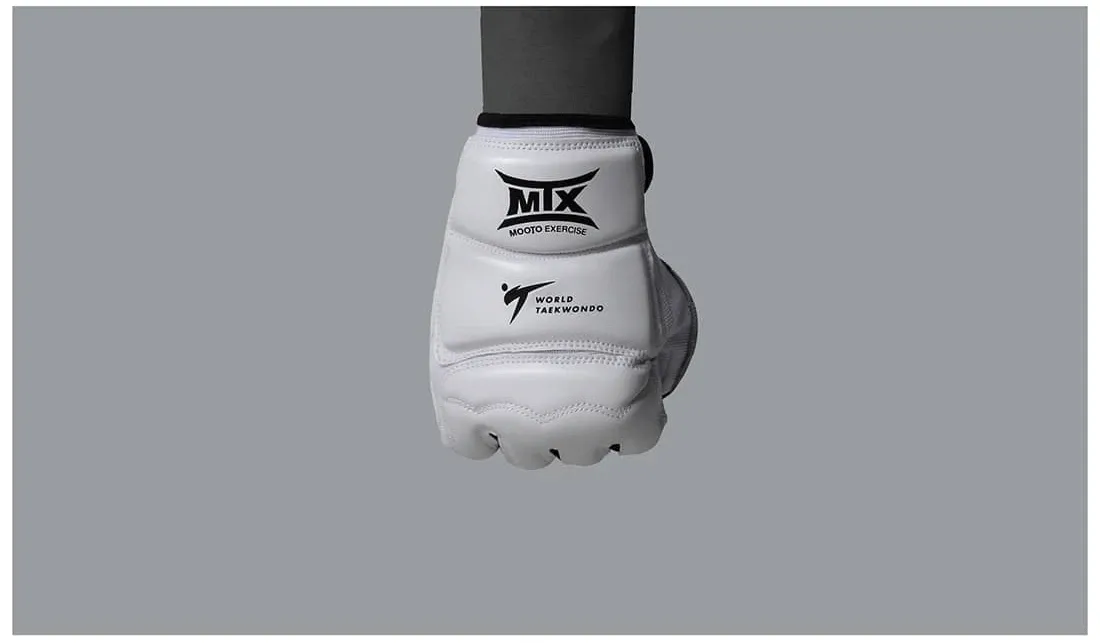
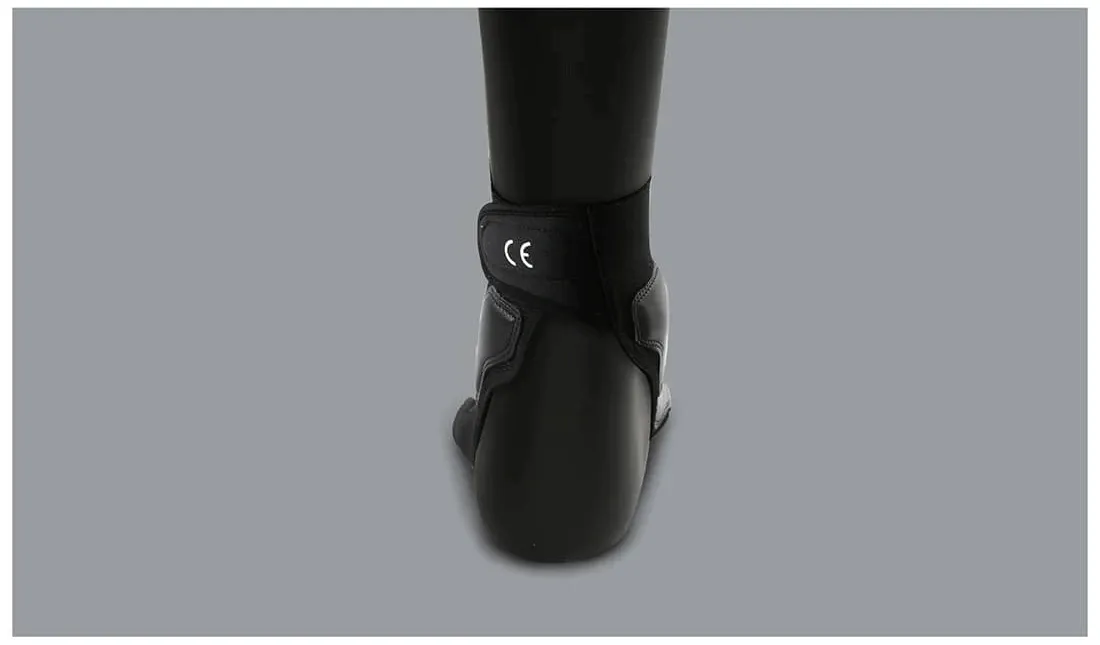
Plan gear in two layers: one set per student plus shared consumables. Stock doboks for the expected student count with about 20% extra for washing rotation; configure protectors by class type - sparring classes need head, chest, hand and shin guards, while kids' classes need a wider size range by height; targets are consumables, so stock kicking, hand and foot targets so no one waits in line during drills.
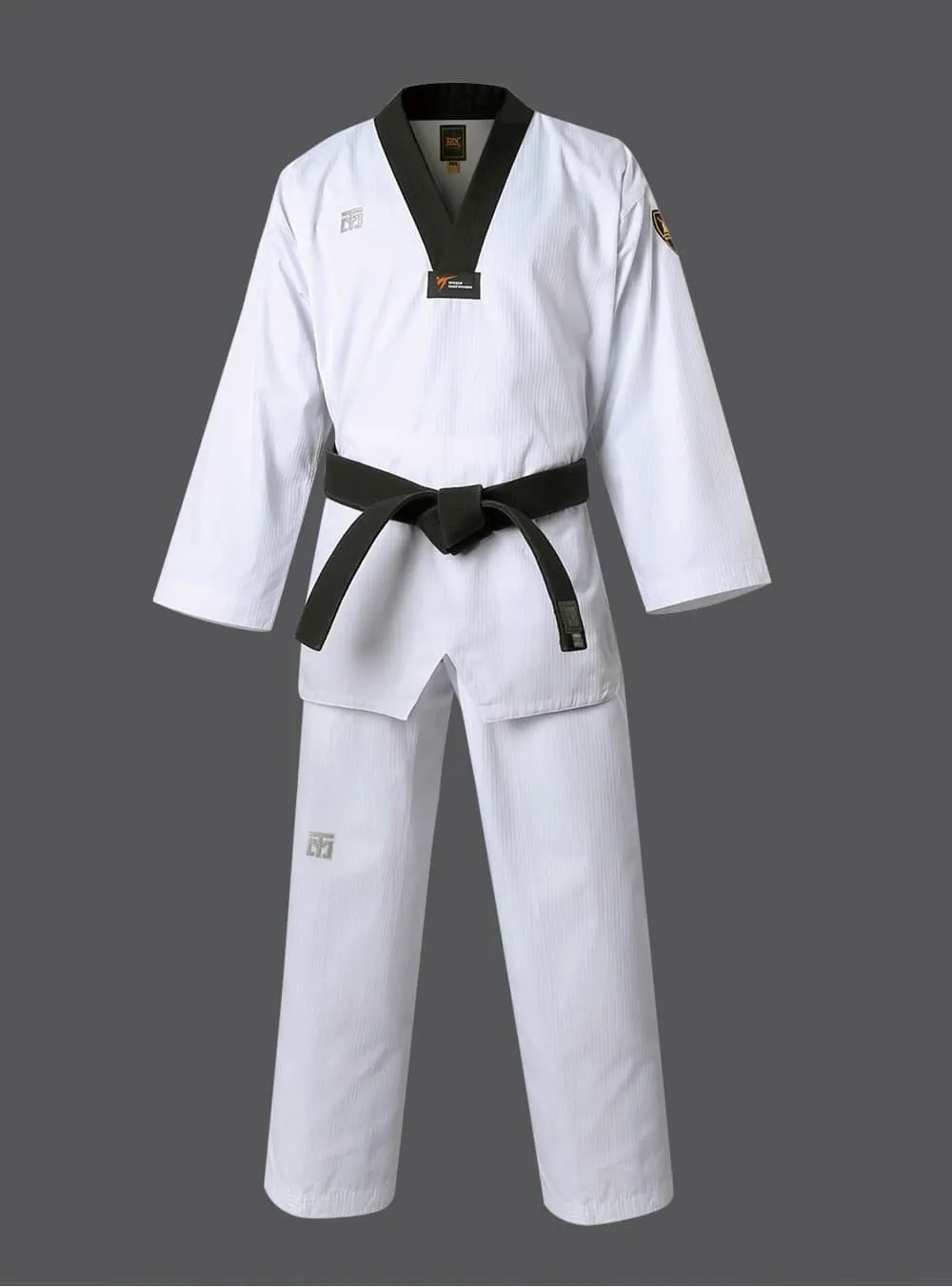
MOOTO Puzzle Mats, and for training gear, see theMTX Kicking Target.
Phase 4: Site Acceptance and Safety Inspection
Surface inspection is more than a visual check. Before opening, go through three baselines: seams must be flat - bulges and misalignment require rework; edges must be secured to prevent lifting and tripping; the surface must be clean, as sweat and dust significantly reduce slip resistance. Also set up a weekly inspection routine covering mat damage, seam opening and curled corners, and keep records. Safety is not only about mats - bars, mirrors and fire equipment must be included in the inspection list as well.
journal.faq
Q1.Do puzzle mat gaps widen over time?+
Quality EVA puzzle mats with locking edges stay flat for years - the key is aligning the locks during installation and checking loose corners regularly.
Q2.How often should dojo mats be replaced?+
Under heavy use, evaluate every 3-5 years; when surface damage or reduced rebound appears, prioritize replacing the training-area mats.
Phase 5: Trial Operation and Grand Opening
Before the official opening, run 1-2 weeks of trial operation: free trial classes plus returning-student feedback, focusing on three points - whether the reception flow is smooth, whether class schedules are compact, and how the waiting area feels for parents. Feedback from the trial period is the last low-cost chance to make adjustments before the grand opening.

journal.takeaways
- →Complete floor measurement and zoning before construction, reserving safety aisles
- →Select mats by density, thickness and surface material; try samples before buying
- →Plan gear in two layers - per-student sets plus shared consumables
- →Pass the three-baseline surface inspection and set up weekly routines before opening
- →Run 1-2 weeks of trial operation to fine-tune flow, schedules and waiting experience