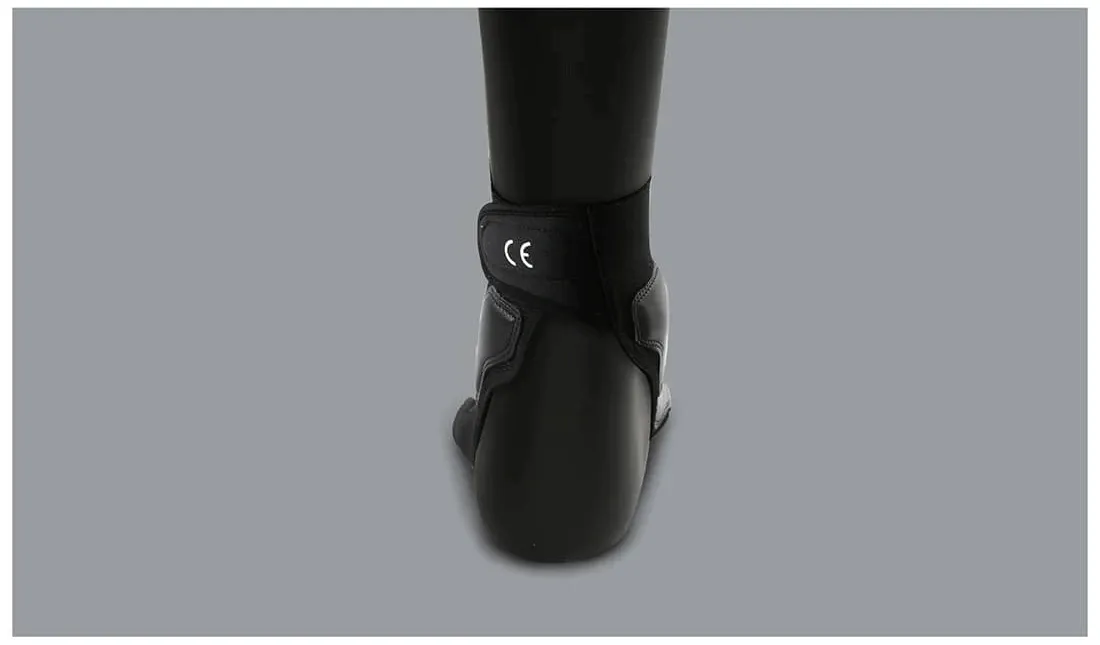
In any taekwondo dojang, protectors are often treated as "competition-only" gear, but anyone who truly knows the sport understands: protectors are the ticket to sparring and competition, and the minimum guarantee of training safety. The wrong choice - too loose, too stiff, or ill-fitting - hurts performance and can leave safety gaps in contact training.
This guide walks through hand, chest, head and mouth guards one by one - how to choose and how to combine them: the difference between WT-certified and training-grade protectors, sizing logic, notes on kids' gear, and three full-set configurations from beginner to competitive. Whether you are an athlete, a parent, or a dojo owner buying in bulk, this is worth reading.
1. Protectors Are Taekwondo's Safety Baseline
In taekwondo sparring, strikes target the torso and head: punches can reach the torso, kicks cover both the head and the torso. Without effective protection, one full-power roundhouse kick can cause serious injury. That is exactly why WT competition rules regulate protector use - athletes must wear WT-approved protectors to compete.
First principle of protector selection: configure by training intensity - rather over-equip than under-equip.
2. First, Know the Difference: WT-Certified vs Training Grade
Training-grade protectors prioritize everyday protection and durability. Their cushioning structure is similar to certified models, but they generally do not participate in electronic scoring. For most dojo members, training-grade gear covers daily sparring needs; only athletes entering the competitive stage need a full WT-certified set. Read the product labeling carefully - do not treat "training grade" as "competition grade".
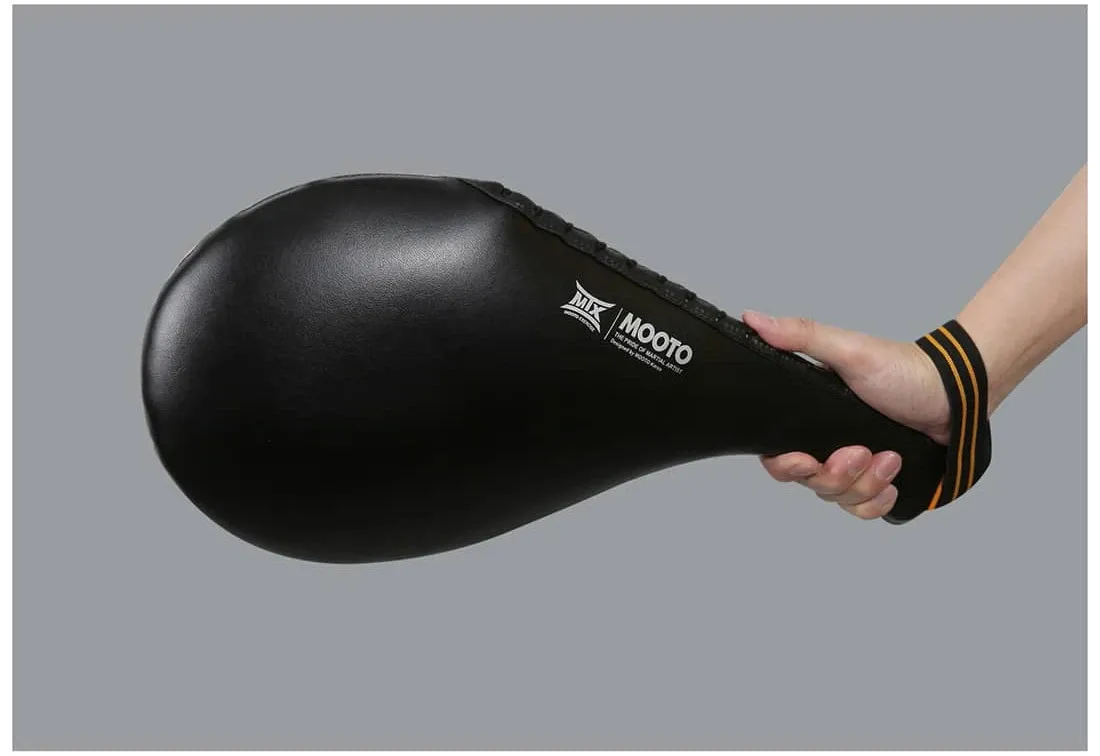
3. Item by Item: Hand, Chest, Head and Mouth Guards
3.1 Hand Protector
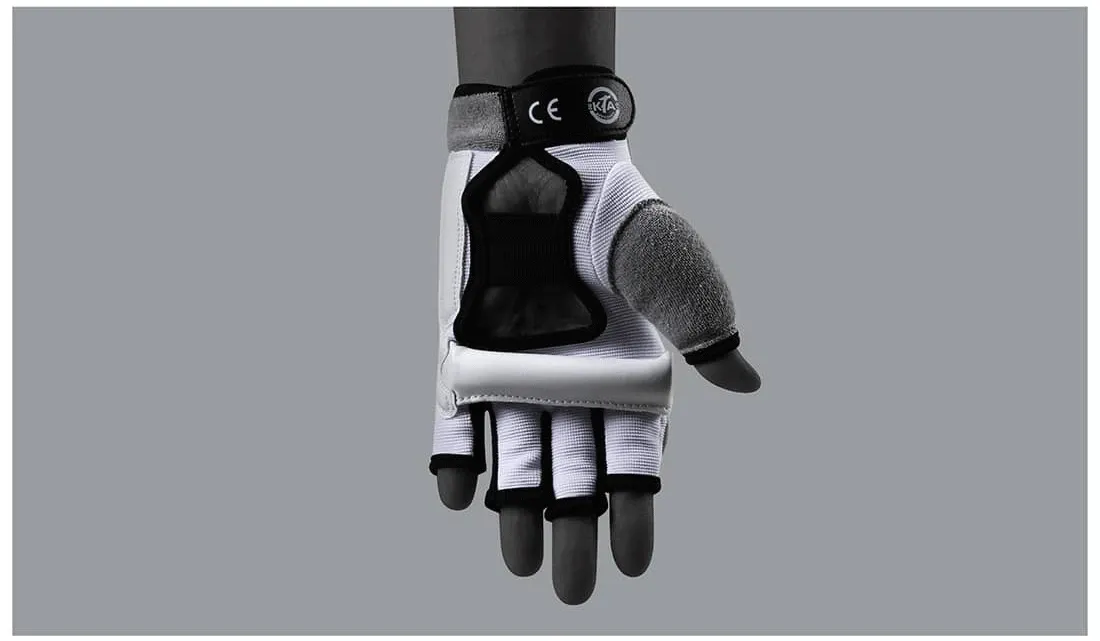
Hand protectors shield the knuckles and the back of the hand while preserving fist flexibility. Focus on three points: enough cushioning thickness over the knuckles, secure wrist fixation, and whether the opening design interferes with gripping. The MTX 2 Hand Protector uses a lightweight cushioning structure for training and poomsae; the EXTERA 2 Hand Protector is designed for competition with more refined cushioning and fit.
When trying them on, make a fist, open your hand and throw a few quick punches to confirm the protector does not shift during movement. Hand protector sizing generally follows dobok size; kids' models are also chosen by height and weight.
3.2 Chest Guard
The chest guard is the core carrier of the electronic scoring system and the main line of torso defense. Prioritize the density and thickness of the cushioning layer - density determines impact resistance, thickness determines the cushioning travel. The MOOTO 2 Reversible Chest Guard uses a reversible design with red and blue sides for quick distinction in sparring, ideal for dojo practice.
A chest guard must cover the full front torso and follow the rib curve. Too loose and it shifts on kicks; too tight and it restricts breathing and kicking. Competitive athletes should also confirm compatibility with PSS sensor systems.
3.3 Headgear
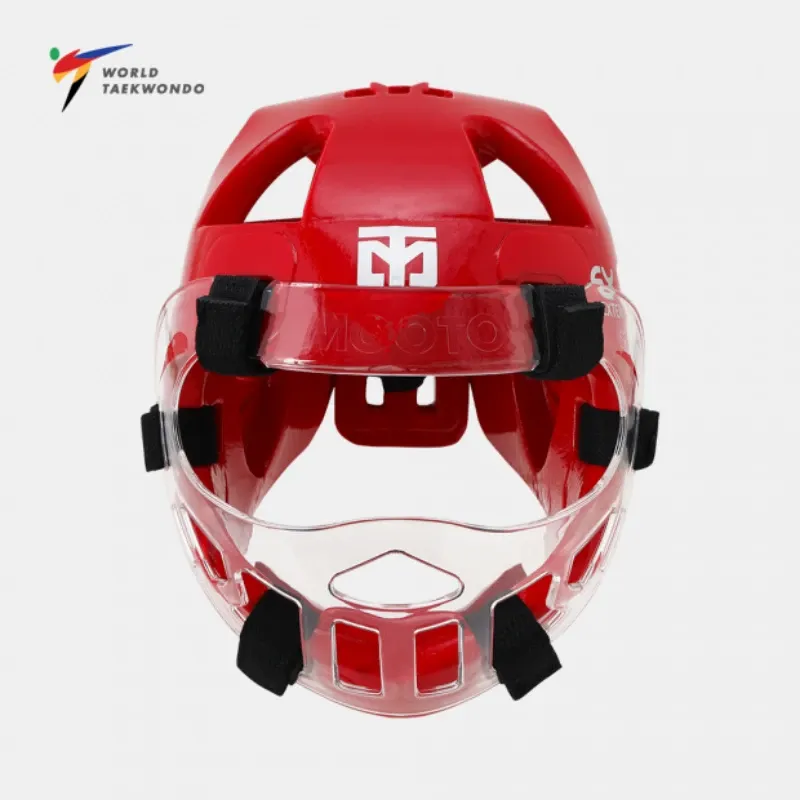
Head protection has the highest safety priority. Headgear must satisfy cushioning, vision and hearing at the same time: face-covered models suit high-intensity contact; open-face models offer a wider field of view for daily sparring and youth training. The EXTERA 3 Pro headgear line is designed to the WT electronic protector standard and adapted for competitive scoring.
Three checks when choosing headgear: full cushioning coverage over the forehead and the back of the head, whether the face cover blocks vision, and whether the straps secure firmly. For children, always choose lightweight models to avoid burdening the neck.
3.4 Mouthpiece
The mouthpiece is the most overlooked protector - and the one that should never be skipped. A significant share of training injuries concentrate around the mouth; one impact to the teeth costs far more than the price of a mouthpiece. The key to a mouthpiece is fit: boil-and-bite models mold to your dental arch for a secure fit; ready-made models require careful size selection.
Wear the mouthpiece throughout training, including light contact and partner drills. Check it regularly for wear and deformation, and replace it immediately if cracked - a mouthpiece is a consumable, not a one-time investment.
4. Kids' and Youth Protectors: Safety First, Sizing with Room to Grow
The first principle for kids' protectors is lightweight and snug: an overly heavy headgear compresses the cervical spine, oversized hand protectors make fists unstable. Prioritize adjustable models - shoulder straps, wrist straps and chin straps should allow fine-tuning as the child grows. Refer to the kids' size chart and order by height and weight rather than age - children of the same age can differ greatly in build.
Parents should also track the replacement rhythm: children grow fast, and a set of protectors usually lasts only 1-2 years. Check fit every six months and replace promptly when straps feel tight or gear shifts - the safety budget is not where you save.
5. Three Configurations: From Beginner to Competitive
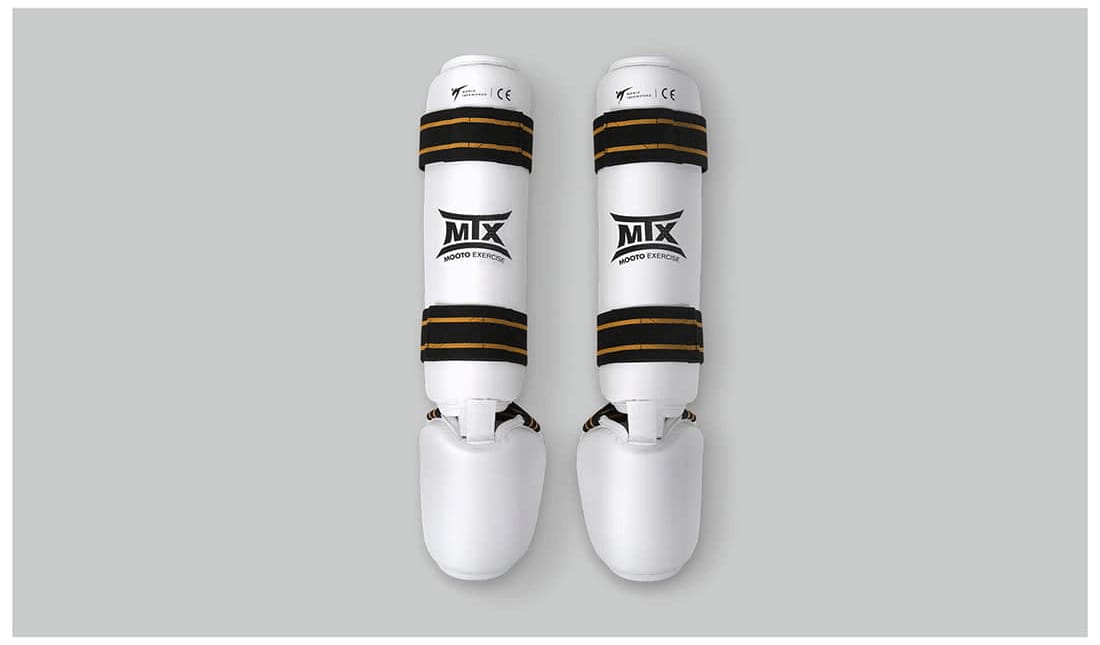
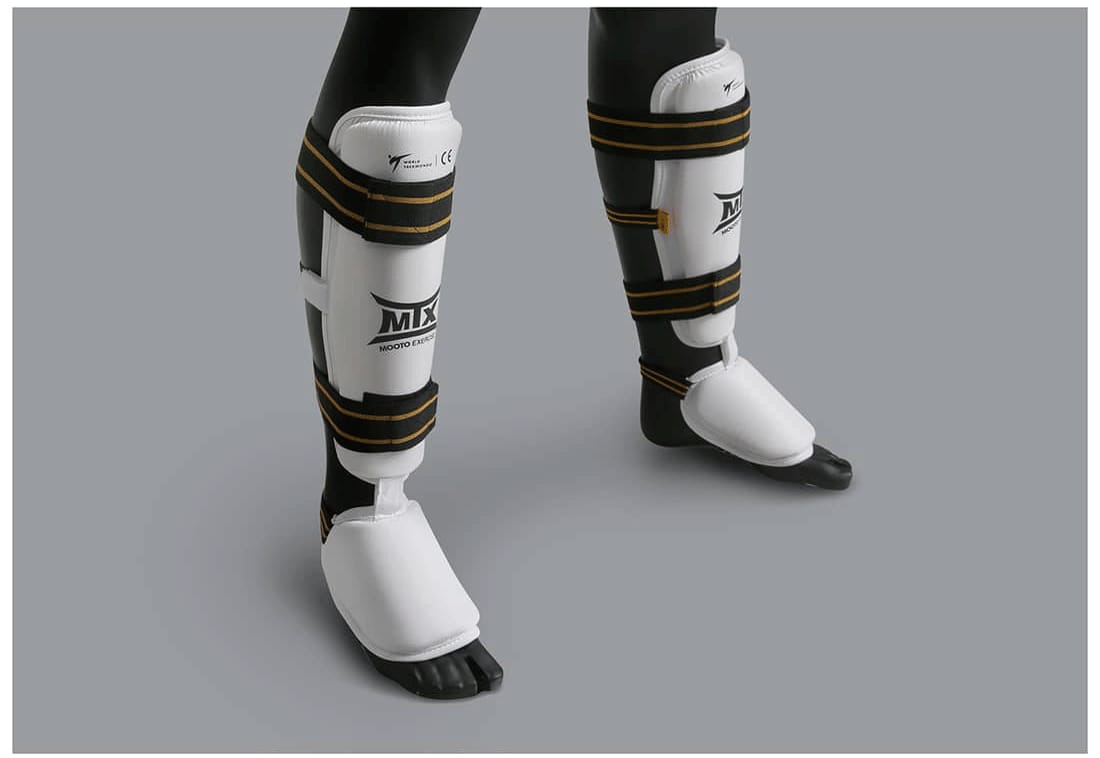
Beginner setup (basic training and poomsae): dobok + mouthpiece + hand protectors, covering the basics of non-contact training. Sparring setup (daily contact): add headgear and a chest guard on top of the beginner set; shin and forearm guards are added progressively according to the training content. Competitive setup (athletes): a full WT-certified set, with confirmed compatibility with the electronic scoring system.
Configuration rule: head and chest first, then hand and mouth; safety before competition.
6. A Four-Step Buying Method
Step 1, define the use case: training, sparring or competition decides the certification grade. Step 2, take measurements: use height and weight against the size chart, leaving growth room for children. Step 3, try before you buy: make a fist, punch, turn your head, breathe - if the gear deforms your movement, it is not the right fit. Step 4, check the whole set: make sure pieces do not conflict (for example, the headgear and chest guard overlap), and inspect wear regularly.
When in doubt, the most reliable path is to consult a professional gear consultant - describe your training intensity, headcount and budget, and the configuration advice will be far more useful than "buy what sells best".
journal.faq
Q1.Can training-grade protectors be used in WT-certified competitions?+
No. WT-sanctioned events require WT-approved protectors; training-grade gear is generally for daily dojo sparring. Always follow the event regulations and equipment inspection requirements before competing.
Q2.How often should kids' protectors be replaced?+
It depends on growth speed and usage frequency, typically every 1-2 years. Check fit every six months and replace when straps tighten, gear shifts or obvious wear appears.
Q3.What does the electronic scoring system require from protectors?+
The PSS registers scores through sensors in the chest guard and headgear. Competitive protectors must be compatible with the corresponding sensor system - confirm compatibility when buying competition models.
journal.takeaways
- →Configure protectors by training intensity in three tiers - beginner, sparring, competitive; head and chest first, then hand and mouth
- →WT-certified protectors are the entry condition for competition; training grade suits daily dojo sparring
- →Headgear and chest guards are the core carriers of the PSS electronic scoring system - confirm compatibility for competition models
- →Size by height and weight; kids' gear should be lightweight, adjustable and leave room to grow
- →Mouthpieces are consumables - wear them throughout training and replace on cracking or wear
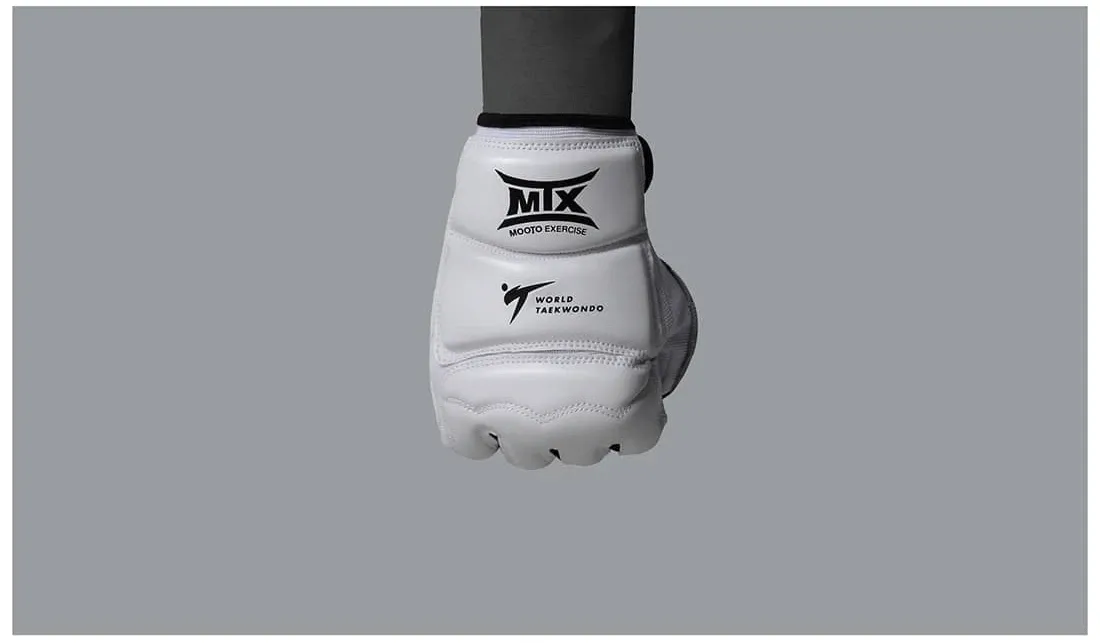
MTX 2 Hand Protector
MTX 是为全球所有跆拳道运动员的基础训练及比赛提升而设计的系列。不仅品质优良,还承诺合理价格,使每位跆拳道运动员都能无负担地佩戴使用。