Kyorugi competition concluded at the Aichi-Nagoya 2026 Asian Games on October 2-3, with champions crowned across all eight weight categories. At the same Games, Virtual Taekwondo appeared as an official medal event at a major multi-sport Games for the first time and awarded its first medals. This report summarises the official World Taekwondo results and competition formats, and closes with what they mean for dojos, event organisers and equipment buyers.
Kyorugi wrap: eight golds for seven delegations
Taekwondo opened with Poomsae on the first day of competition, followed by Kyorugi on October 2-3, with all eight finals completed across two days. Four golds were decided on October 2: Kazakhstan's Tamirlan Tleules took the men's -58kg title, Uzbekistan's Jasurbek Jaysunov won the men's -80kg, China's Jingyue Ma triumphed in the women's -49kg, and Iran's Saghar Moradi Sheikhlari topped the women's -67kg podium.
The final day added four more titles: Thailand's Banlung Tubtimdang won the men's -68kg, Iran's Arian Salimi claimed the men's +80kg, Jordan's Fadia Khirfan secured the women's -57kg, and Korea's Dabin Song completed the competition with gold in the women's +67kg.
Eight weight categories, seven delegations: Kazakhstan, Uzbekistan, China, Iran (men's +80kg and women's -67kg), Thailand, Jordan and Korea each finished with gold.
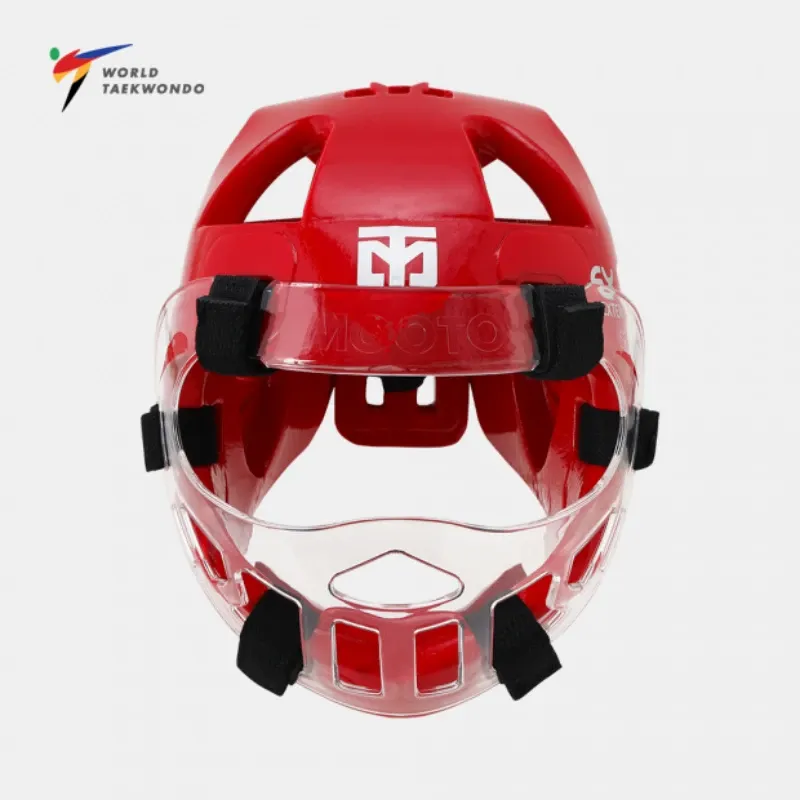
For buyers, the useful information is not the medal table but the conditions of competition. Kyorugi is contested under World Taekwondo rules, and the protectors athletes bring must be compatible with the electronic scoring system supplied by the organisers. Headgear model, the red-and-blue colouring of the chest guard and the wrap of the hand protector all affect whether an athlete clears the pre-competition equipment check.

Virtual Taekwondo: a first for a major multi-sport Games
Also on October 2, Virtual Taekwondo made its Asian Games debut at the Toyohashi City General Gymnasium, the first time the discipline has been contested as a medal event at a major multi-sport Games. Sixteen athletes competed in a mixed-gender individual event without traditional weight categories. Athletes wore a VR headset and five motion sensors, with their movements translated in real time into a virtual arena and displayed on the venue's large screens.
Matches were best-of-three rounds of 60 seconds each. Athletes could win a round by depleting their opponent's health bar, or by leading on health when time expired. The short format produced constant attacking exchanges, while the absence of weight categories and a single draw for male and female athletes made it the only Taekwondo event of its kind on the programme.
In the gold medal match, the Philippines' Jeus Gabriel Derick Yape defeated Vietnam's Ngoc Tuyet Sang Chau 2-0 to become the first Virtual Taekwondo champion in Asian Games history, also delivering the Philippines' first-ever Taekwondo gold at the Asian Games. Singapore's Yap Zong Han Darren and Kazakhstan's Rita Bakisheva took bronze.
One further detail is worth recording: Yape had won bronze in the men's individual Poomsae the previous day, making him and Singapore's Darren Yap the first Taekwondo athletes to win medals in multiple disciplines at the same edition of the Asian Games. Virtual Taekwondo began its international journey at the IOC Olympic Esports Series in 2023; more than 120 athletes took part in the inaugural World Taekwondo Virtual Championships in 2024 before the discipline was confirmed for Aichi-Nagoya 2026.
"Short rounds, no weight categories, one draw for both genders - Virtual Taekwondo wrote a different rulebook and put the same sport on a multi-sport medal table."
Refugee team: from Azraq camp to the Asian Games stage
Aichi-Nagoya 2026 also marked the first time the Olympic Council of Asia fielded a refugee team at the Asian Games - and both of its athletes competed in Taekwondo. Talah Al Hassan Al Hinide contested the women's -49kg and Mahmoud Al Jasem Al Mohammad Al Hussein competed in the men's -80kg, with both campaigns ending in the Round of 16.
The two Syrian athletes live at the Azraq Refugee Camp in Jordan. Talah has said Taekwondo became her window to hope and the chance to dream again; Mahmoud began training in Azraq in 2016 after leaving Syria and was among the early participants in a programme supported by the Taekwondo Humanitarian Foundation (THF). Beyond results, their presence on the Asian Games stage was part of what this edition will be remembered for.
Three takeaways for dojos, organisers and buyers
1. Multiple disciplines now run on the same floor
Within a single Taekwondo programme, Poomsae, Kyorugi and Virtual Taekwondo ran alongside each other, with venues, equipment and officials switching between groups. For flooring suppliers, specification consistency and installation speed feed directly into event cost calculations, and a system that can be reused across disciplines is cheaper than buying separately for each.

2. WT approval remains the entry ticket for protectors
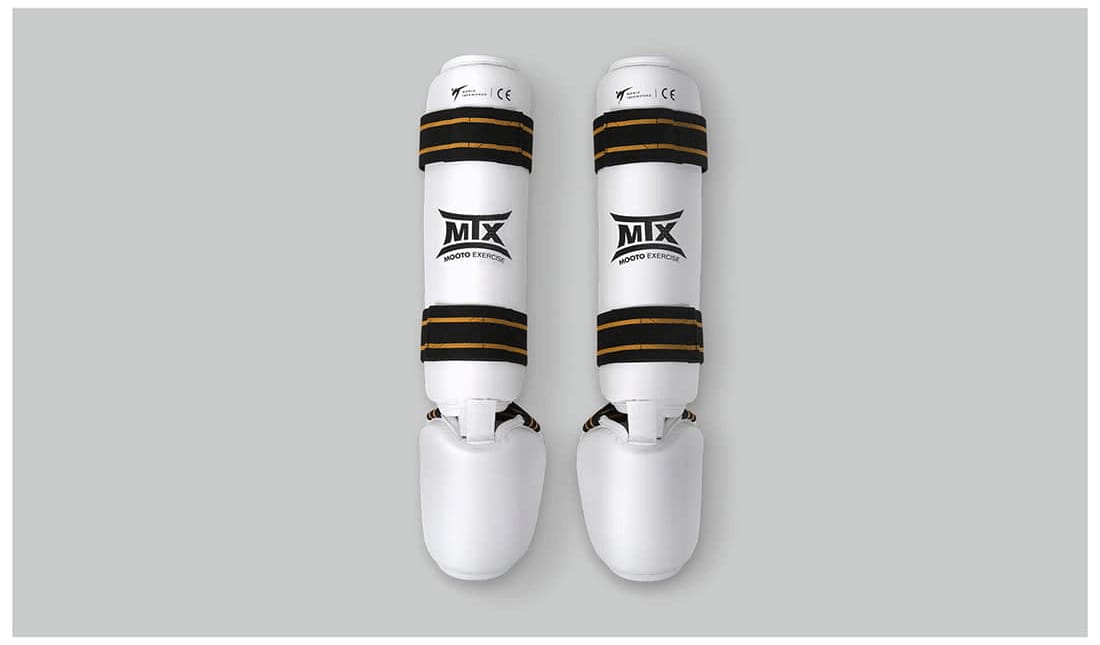
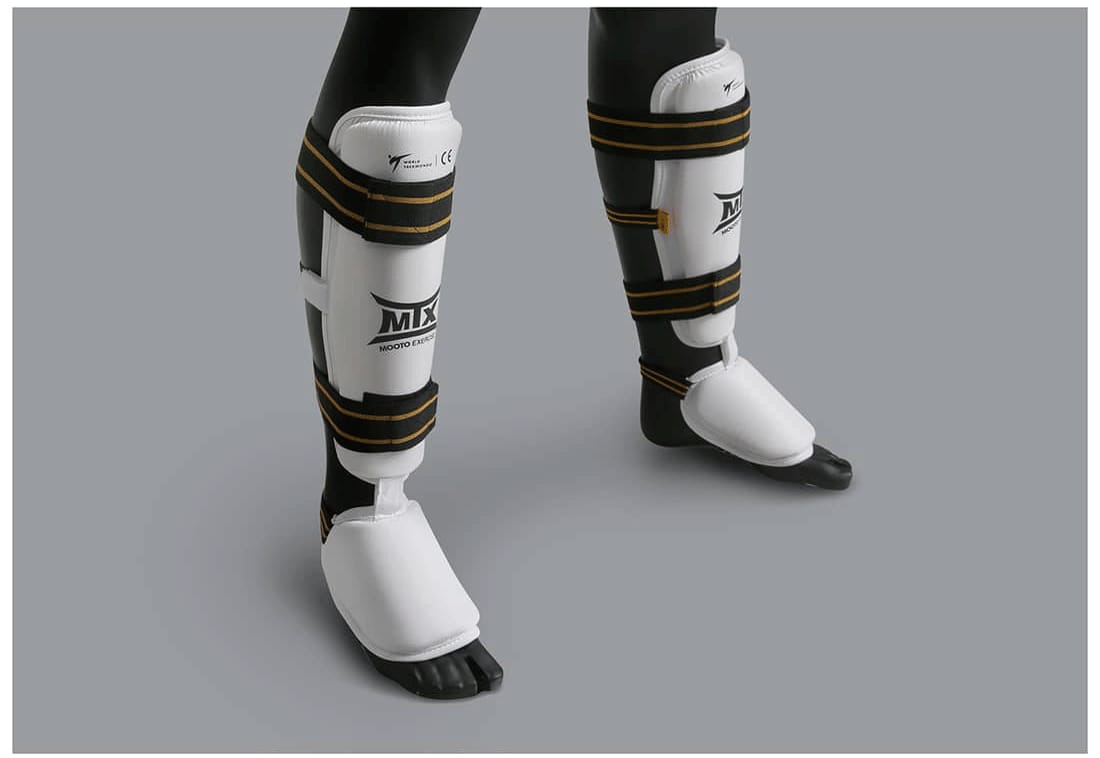
In Kyorugi, the protectors athletes bring must match the electronic scoring system used at the event, and headgear, chest guards and hand protectors must meet WT-recognised specifications. Buy against the approval list rather than by appearance, and if a dojo is entering a team, check models and sizes by weight category well before the entry deadline instead of ordering gear at the last minute.
3. New disciplines change the venue equipment list
Virtual Taekwondo uses a VR headset and motion sensors rather than conventional protectors and large matted areas, but it needs screens, network connectivity, stable power, a dedicated competition area and a timing system. This 'light gear, heavy venue' profile shows that the equipment list for dojos and arenas is shifting from single-purpose training gear towards configurations that can support several competition formats.
From Kyorugi to Virtual Taekwondo, the Asian Games programme for the sport is widening. For dojos and buyers, reusable flooring systems and WT-recognised protectors remain the two safest investments.
FAQ
Q1.When did Taekwondo finish at the Aichi-Nagoya 2026 Asian Games?+
Kyorugi took place on October 2-3, 2026, with all eight finals completed on the final day. Poomsae opened the competition, and Virtual Taekwondo was contested on October 2.
Q2.How many Kyorugi gold medals were awarded?+
Eight, across eight weight categories. They went to Kazakhstan, Uzbekistan, China, Iran, Thailand, Jordan and Korea - seven delegations in total, with Iran taking two.
Q3.Why is Virtual Taekwondo described as historic?+
It was the first time the discipline featured as an official medal event at a major multi-sport Games, and the only Taekwondo event on the programme with no weight categories and a single draw for male and female athletes.
Q4.What should a dojo check before buying competition protectors?+
Confirm WT-recognised specifications and compatibility with the electronic scoring systems used at the events you enter, then compare models and price - and stock by weight category and size ahead of the entry deadline.
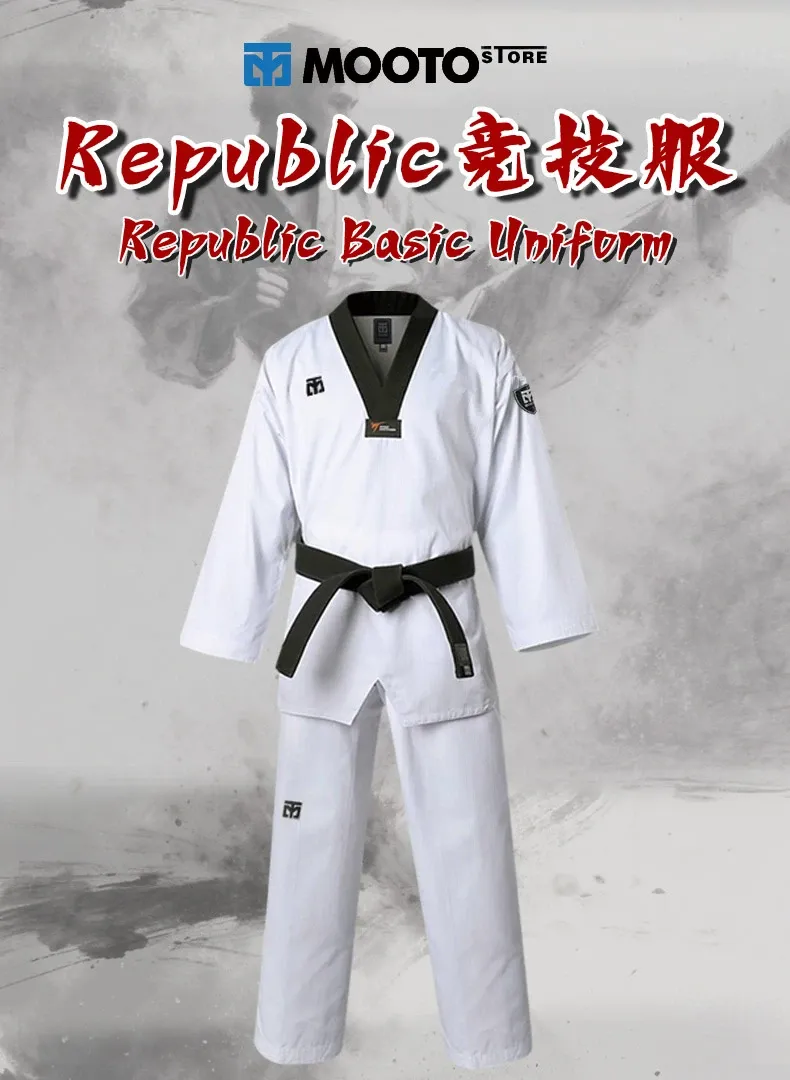
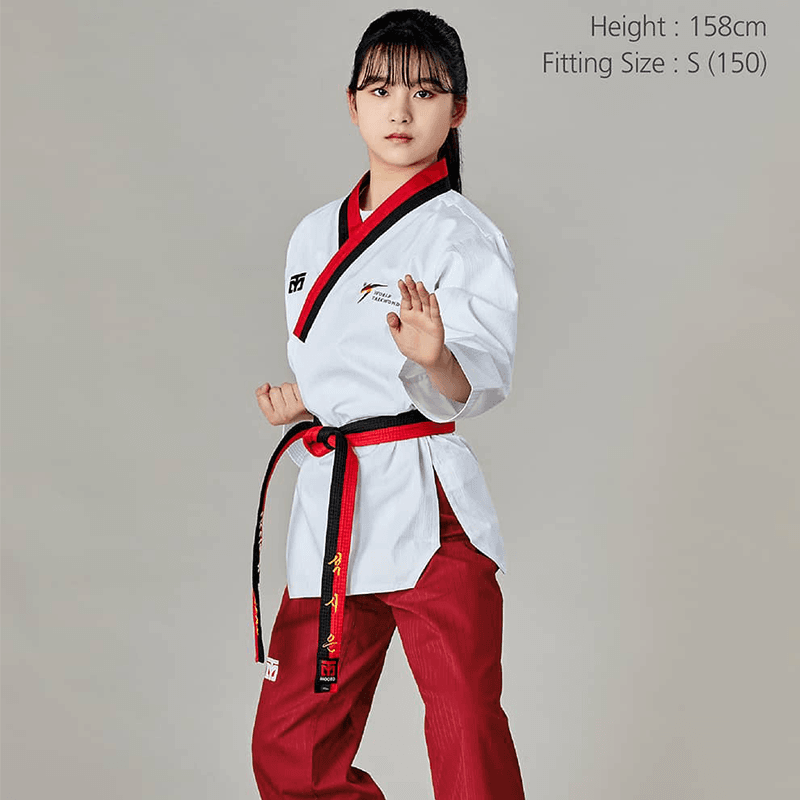
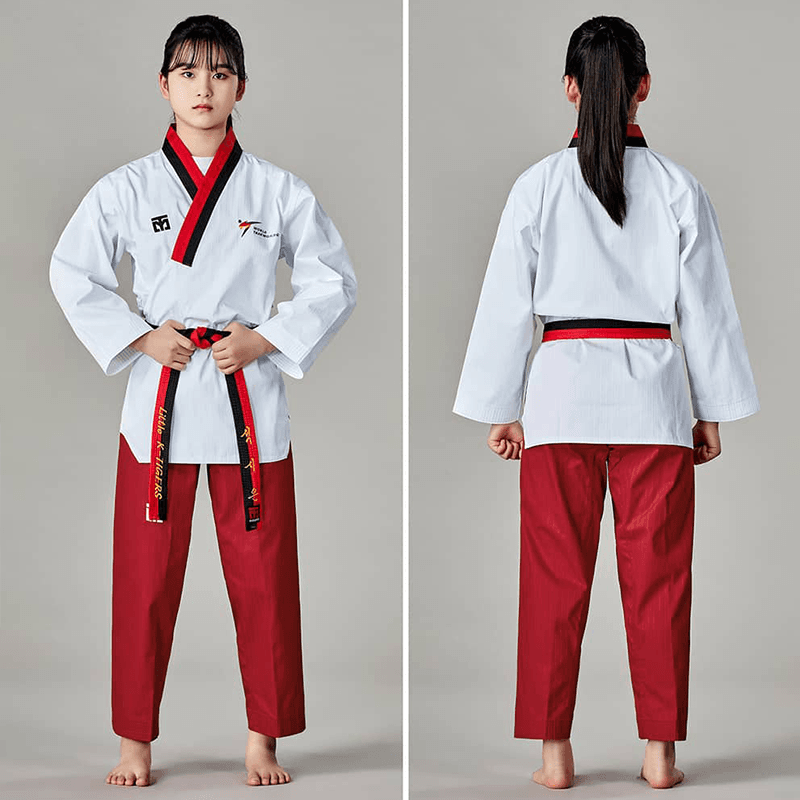
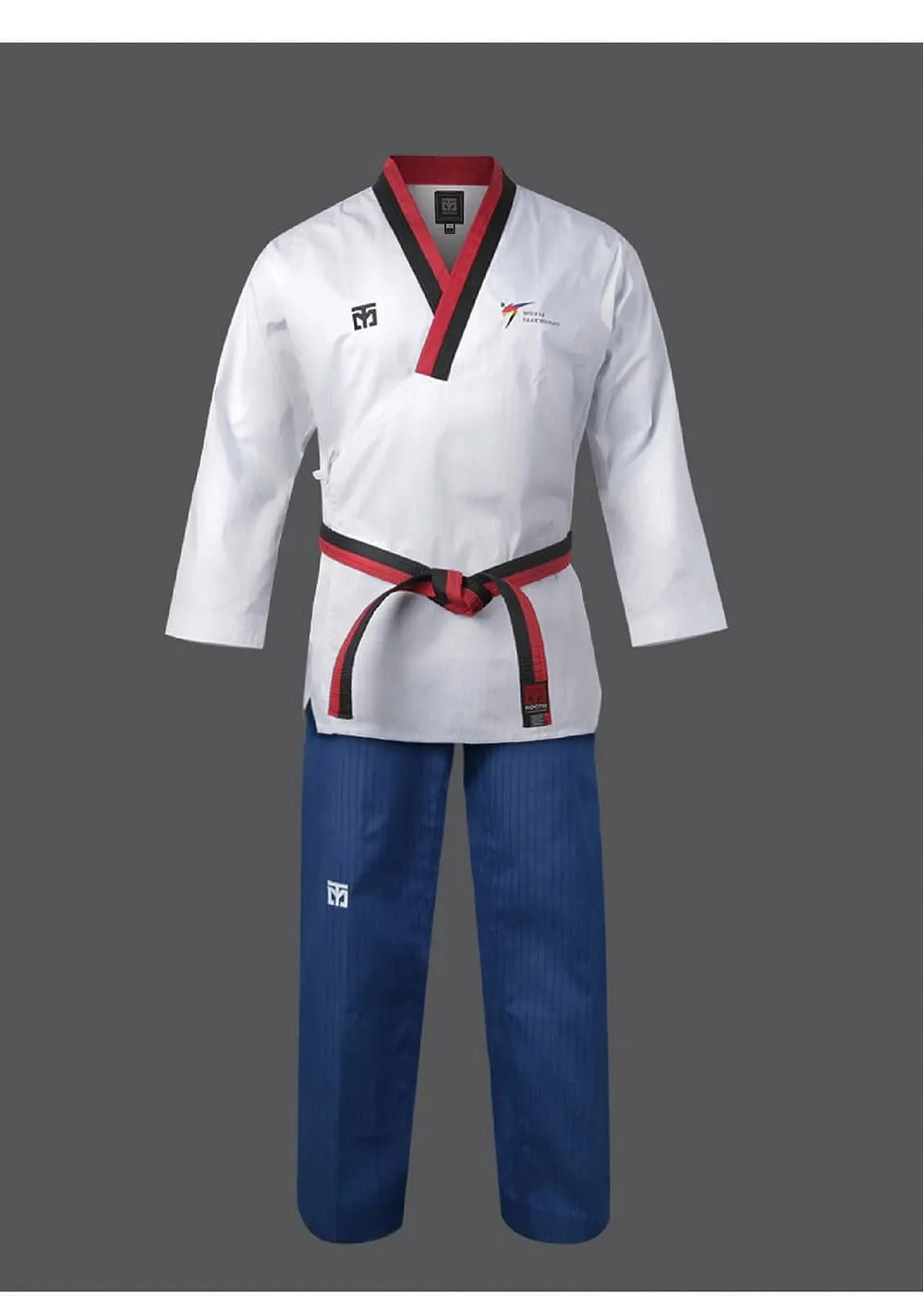
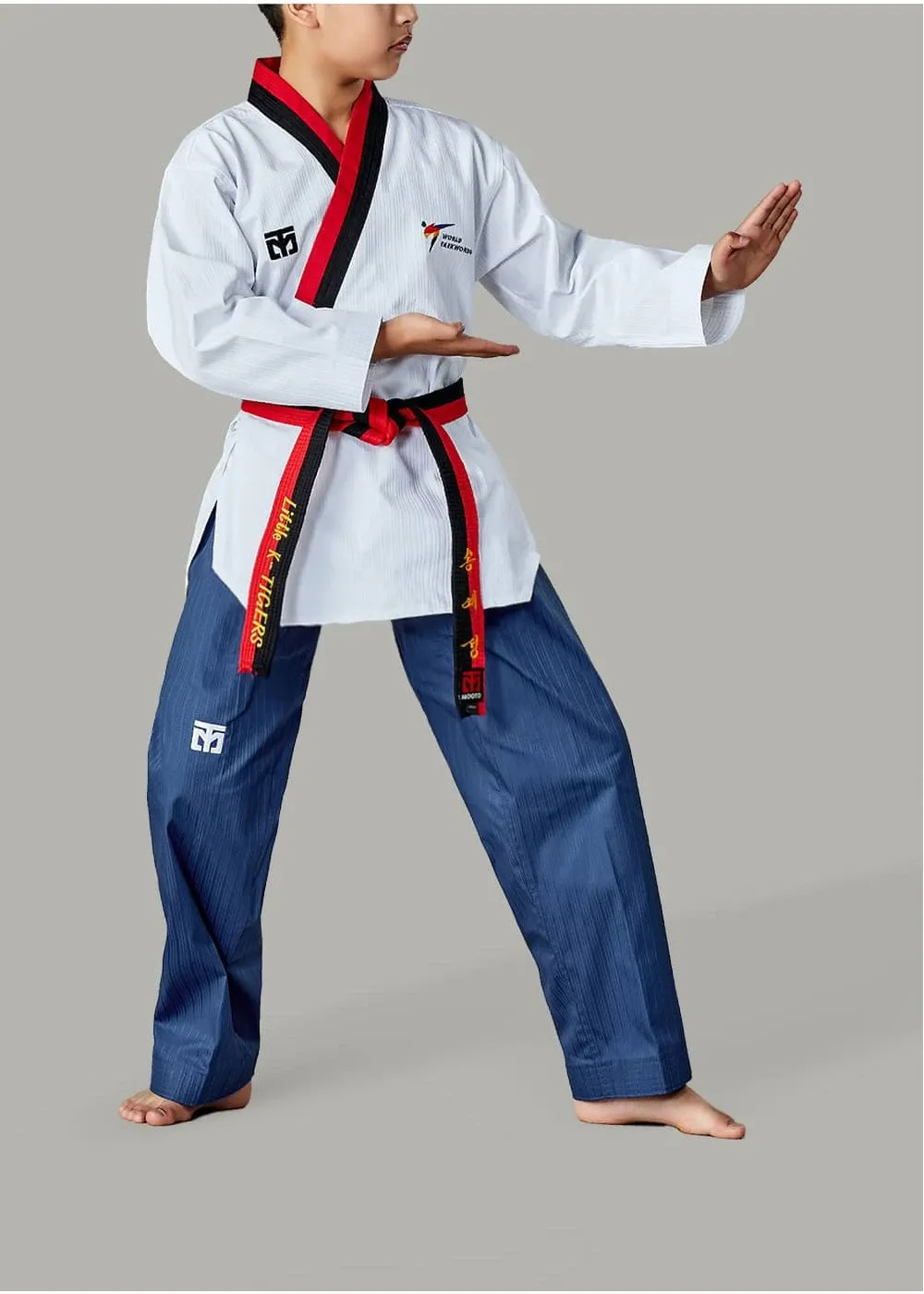
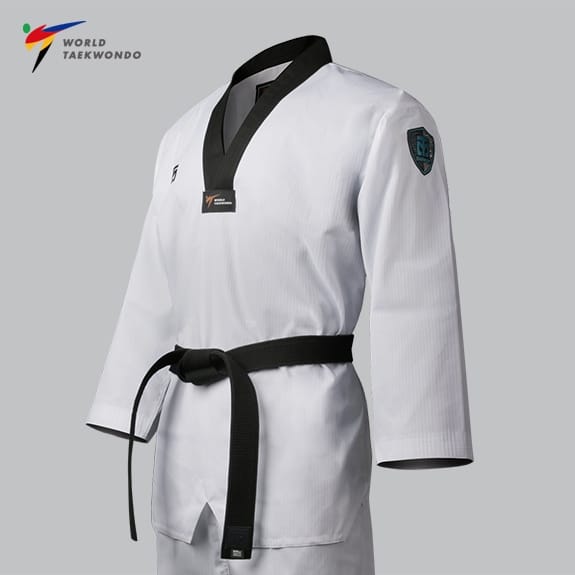
CQ)Republic Basic Uniform
MOOTO 全新力作 ——Republic 竞技道服,中国官网正式上新。独创领口暗纹防伪工艺,将品牌专属图腾与武道印记低调隐匿于领部肌理。不张扬、不浮夸,正如武者内敛谦逊的本心。于方寸之间,承载礼仪、廉耻、忍耐、克己、百折不屈的武道精神;于赛场之上,助力武者突破极限,尽显王者风范。
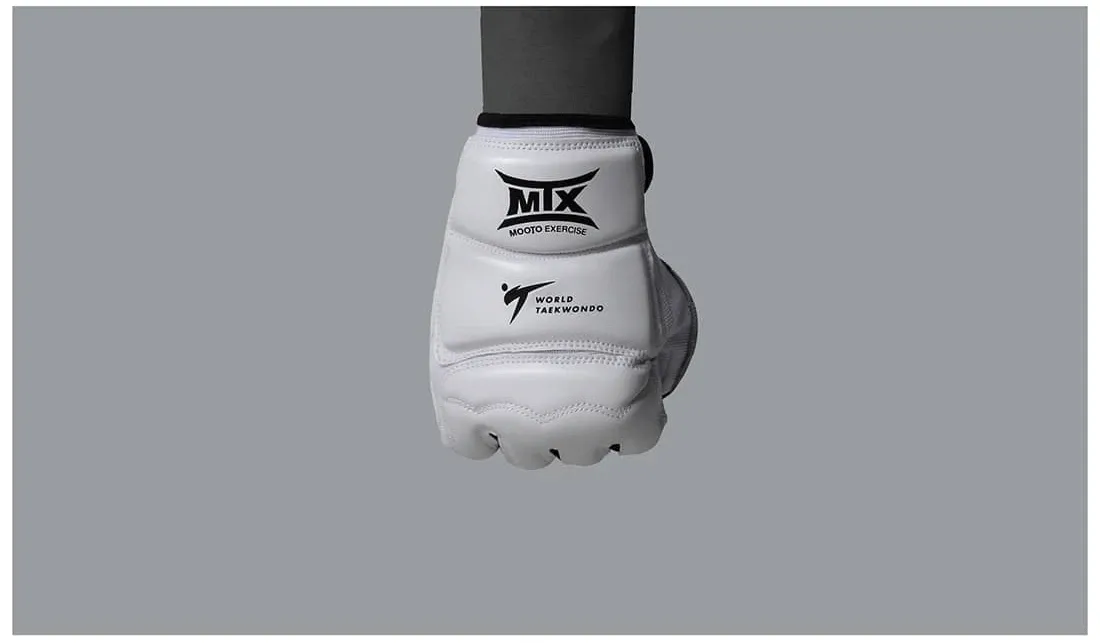
MTX 2 Hand Protector
MTX 是为全球所有跆拳道运动员的基础训练及比赛提升而设计的系列。不仅品质优良,还承诺合理价格,使每位跆拳道运动员都能无负担地佩戴使用。
KEY TAKEAWAYS
- →Kyorugi at the Aichi-Nagoya 2026 Asian Games produced eight golds for seven delegations across two days, with Iran leading on two.
- →Virtual Taekwondo became an official medal event at a major multi-sport Games for the first time: 16 athletes, no weight categories, mixed-gender draws, best-of-three 60-second rounds, and a historic first gold for the Philippines' Yape.
- →A refugee team competed at the Asian Games for the first time, with two Syrian Taekwondo athletes from the Azraq Refugee Camp, both exiting in the Round of 16.
- →For buyers the implications are threefold: flooring that serves multiple disciplines, protectors that meet WT-recognised specifications, and venue equipment lists that now accommodate new competition formats.