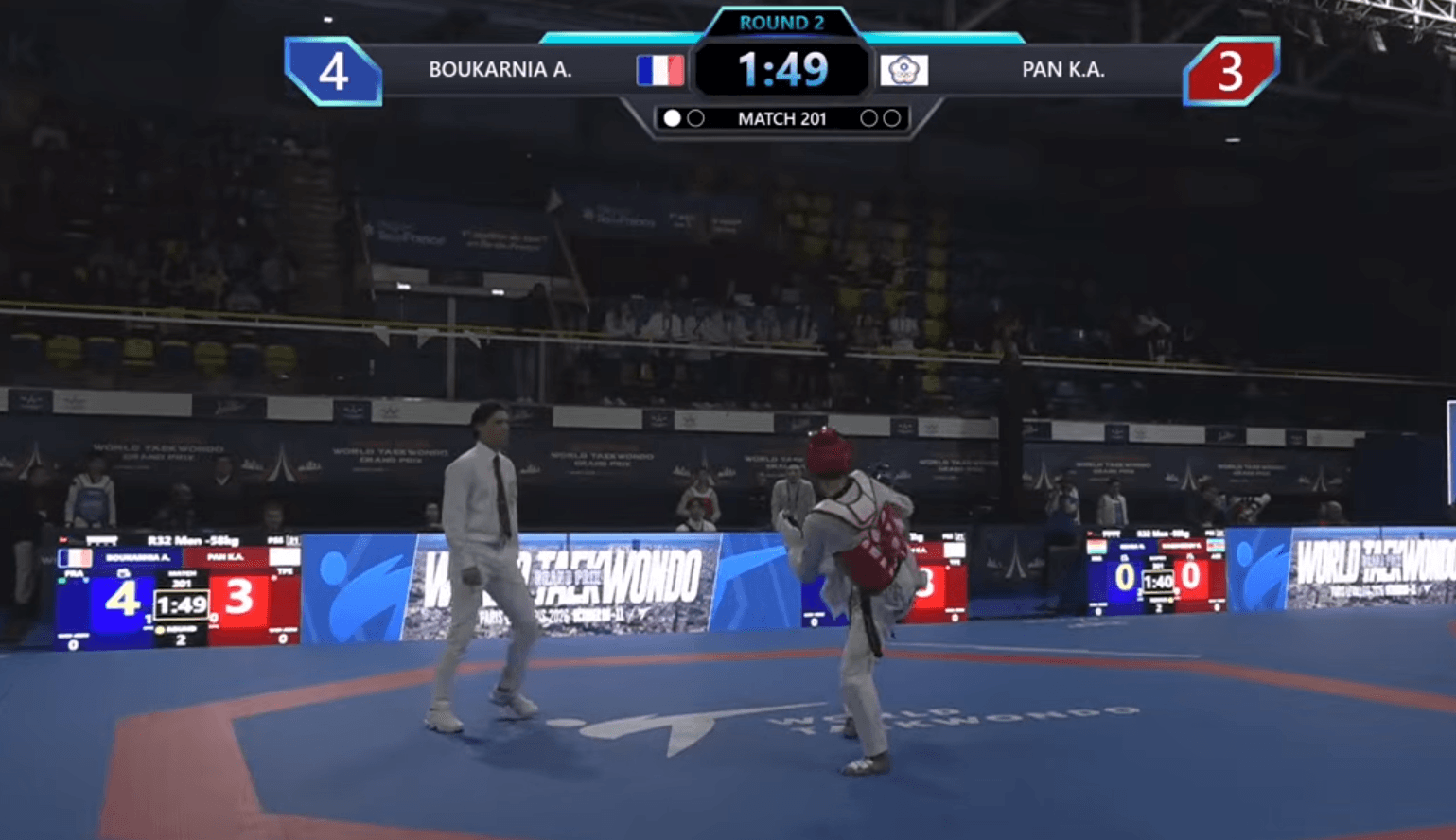
The final stop of the 2026 World Taekwondo Grand Prix season runs from 27 to 29 November in Astana, Kazakhstan. The Para Taekwondo Grand Prix Final takes place on 27 November, followed by the World Taekwondo Grand Prix Final on 28-29 November, all at the Zhaksylyk Ushkempirov Martial Arts Palace. It closes the season's ranking race and sits on the pathway toward Los Angeles 2028.
Three days, two finals
World Taekwondo confirmed the arrangement in a release dated 23 November. Unlike a regular Grand Prix stop, the final pairs the Para and kyorugi series in one venue across three consecutive days: a one-day Para Grand Prix Final on 27 November, the kyorugi Grand Prix Final on 28 and 29 November, and the 2026 World Taekwondo Gala Awards on the evening of 29 November.
In calendar terms this is the end of the road for 2026. The series already passed through Rome, Muju and Paris, and the final will settle the season's standings while giving every squad one last high-quality competitive reference before winter training.
Para final: 80 athletes from 26 nations in one day
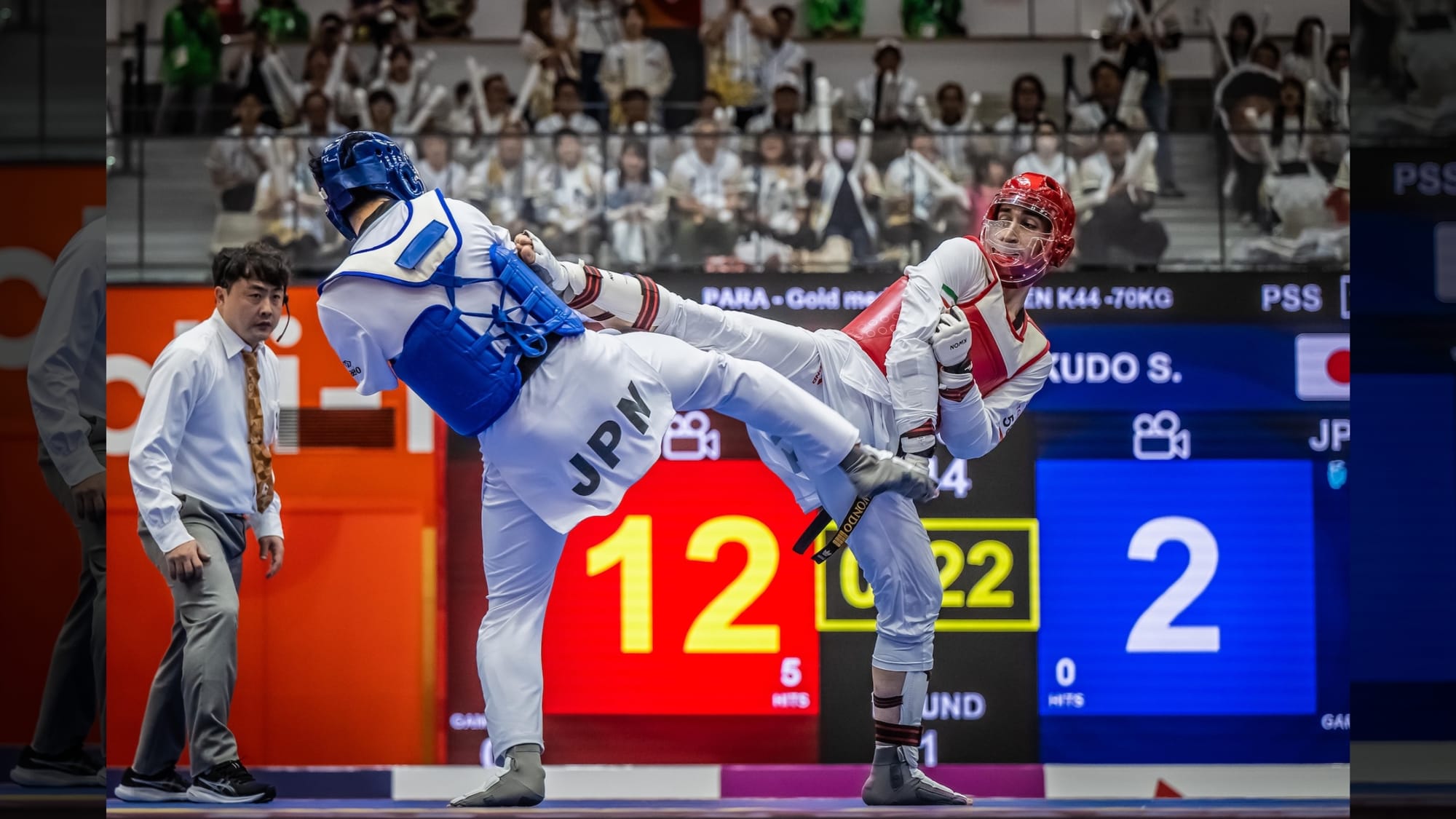
The Para Grand Prix Final on 27 November is a single-day competition with 80 athletes from 26 countries, all in the K44 sport class. The field is built around medallists from last week's World Para Taekwondo Championships in Muju. Turkiye's Mahmut Bozteke (M -63kg) heads the entry; he won the world title in Muju and had already topped the 2026 Roma-Muju-Paris Grand Prix Series.
The release also lists nine gold medallists from the Muju Grand Prix, including Azerbaijan's Sabir Zeynalov (M -58kg) and Greece's Christina Gkentzou (W -65kg). Recent Asian Para Games champions are entered as well, among them Uzbekistan's Guljonoy Naimova (W +65kg) and Mongolia's Surenjav Ulambayar (W -52kg). China's Yujie Li (W -57kg) is on the entry list. For the wider picture from Muju, see our earlier report on the World Para Taekwondo Championships.
Kyorugi final: 128 athletes, eight weight classes
The kyorugi Grand Prix Final on 28-29 November is the larger draw: 128 athletes from 36 countries and the Taekwondo Refugee Team, covering M -58kg, -68kg, -80kg, +80kg and W -49kg, -57kg, -67kg, +67kg.
Entry came through two routes: a top-30 place in the November Olympic Ranking per weight category, or a gold or silver medal at any of the three 2026 Grand Prix events. According to the release, 63 athletes who reached the podium on this year's series are registered. For teams building toward LA 2028, the ranking weight attached to the final lifts it well beyond a ceremonial season closer.
How the two days split
Day one on 28 November covers M -68kg and -80kg plus W -49kg, -57kg and +67kg. Day two on 29 November covers M -58kg and +80kg plus W -67kg.
Names to watch include Brazil's Maria Clara Pacheco (W -57kg), who won gold at all three Grand Prix events this season; Hungary's Viviana Marton (W -67kg), a double gold medallist in Rome and Paris; Korea's Jinho Mun (M -68kg), winner in Muju and Paris; Italy's Vito Dell'Aquila (M -58kg), gold in Rome and bronze in Muju; Brazil's Henrique Marques Rodrigues Fernandes (M -80kg), who medalled at all three events; and Egypt's Seif Eissa (M +80kg), gold in Muju and bronze in Paris.
Gala Awards and a 2027 rehearsal
The Gala Awards on the evening of 29 November will recognise Female and Male Athlete of the Year, Para Taekwondo Female and Male Athlete of the Year, Female and Male Referee of the Year, Coach of the Year, Para Taekwondo Coach of the Year, Kick of the Year and MNA of the Year, among other categories. Pairing the ceremony with the final day of competition is a familiar way to close a season's narrative.
The venue itself is a signal: Astana is due to host the 2027 World Taekwondo Championships. This final therefore doubles as a rehearsal, with venue flow, mat layout and competition operations all tested in the same space. For dojangs and associations preparing to stage events, these three days are a ready-made observation window.
Gear check before a final
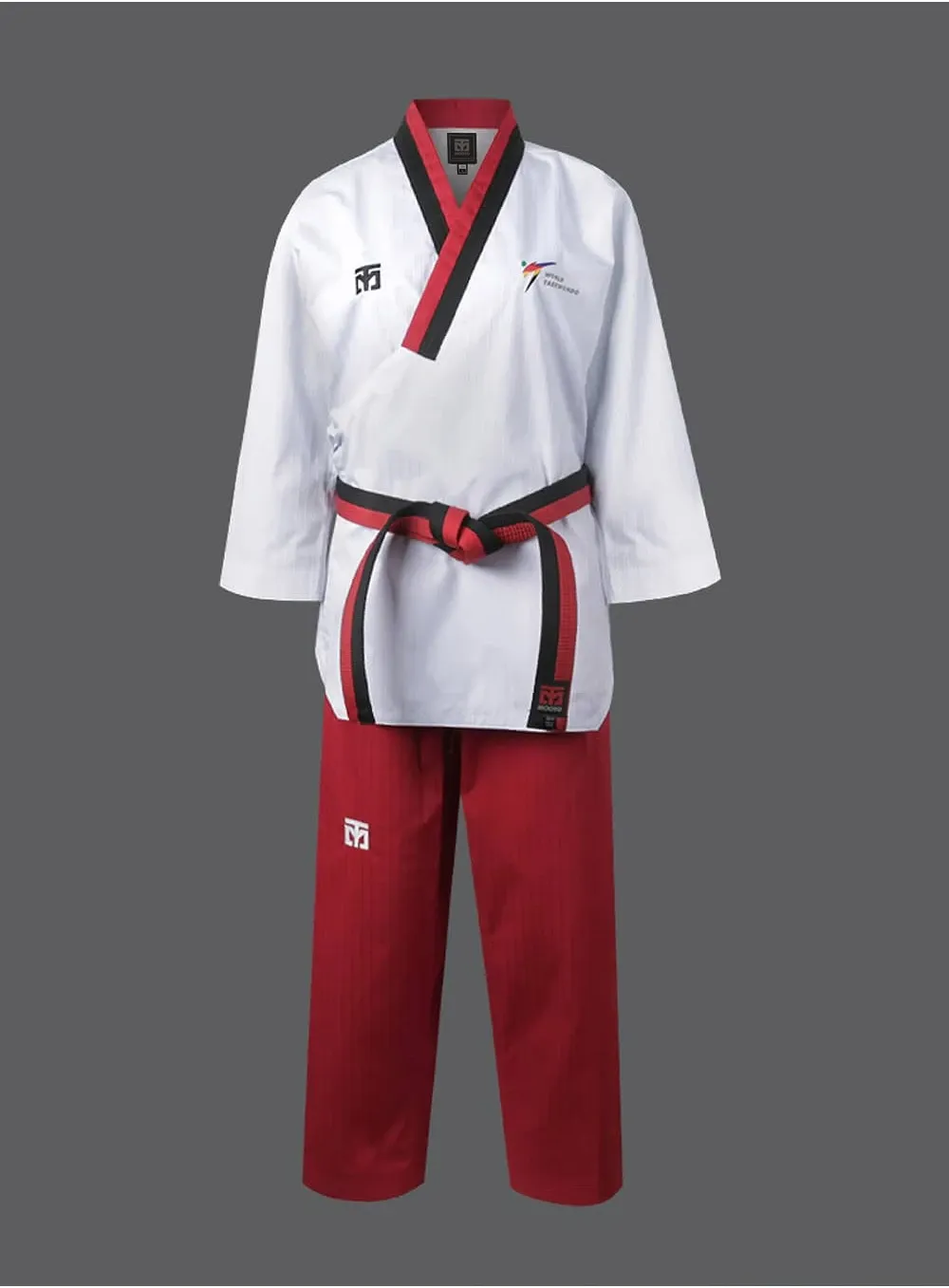
From an equipment standpoint, a final is the best possible test of whether pre-competition checks were actually done. Competition dobok must meet World Taekwondo uniform requirements, protectors must match the electronic scoring system in use, and Para classes add a further check on fixation and strap placement so gear does not shift across multiple rounds in a single day. For dojangs and distributors the lesson is straightforward: keep competition-grade and training-grade stock managed separately, and count by weight class, size and protector model before the event instead of assembling a kit on site.
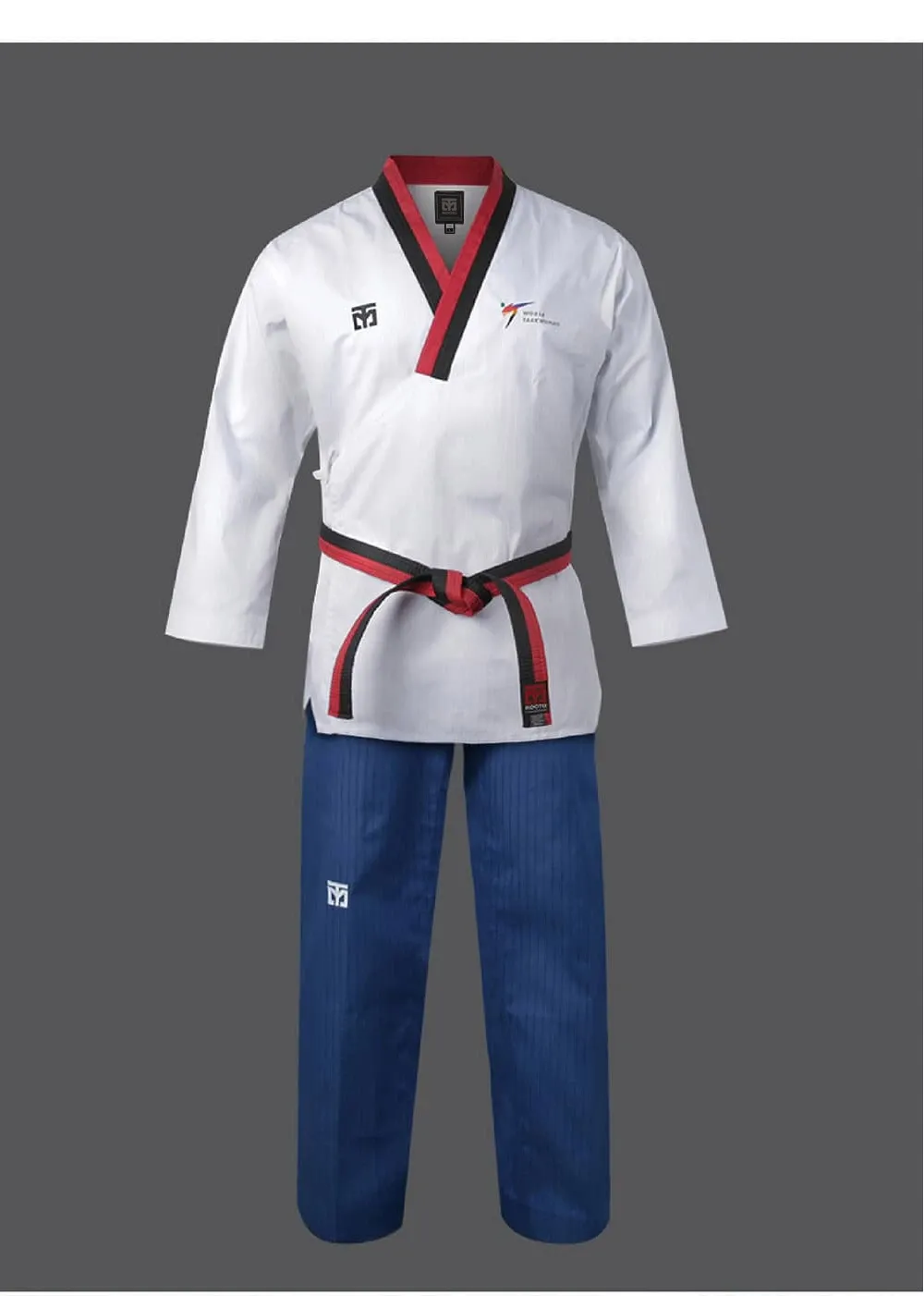
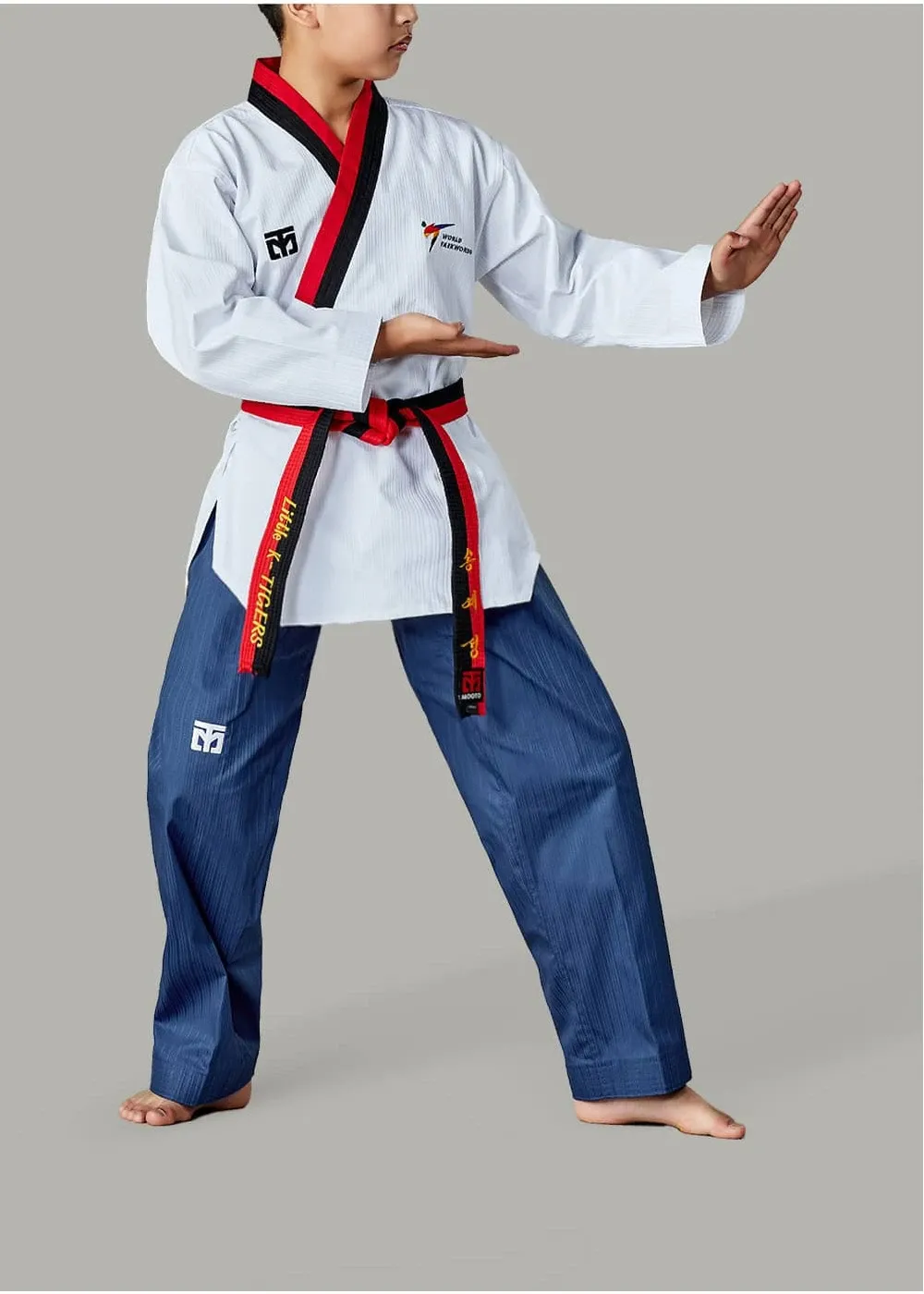
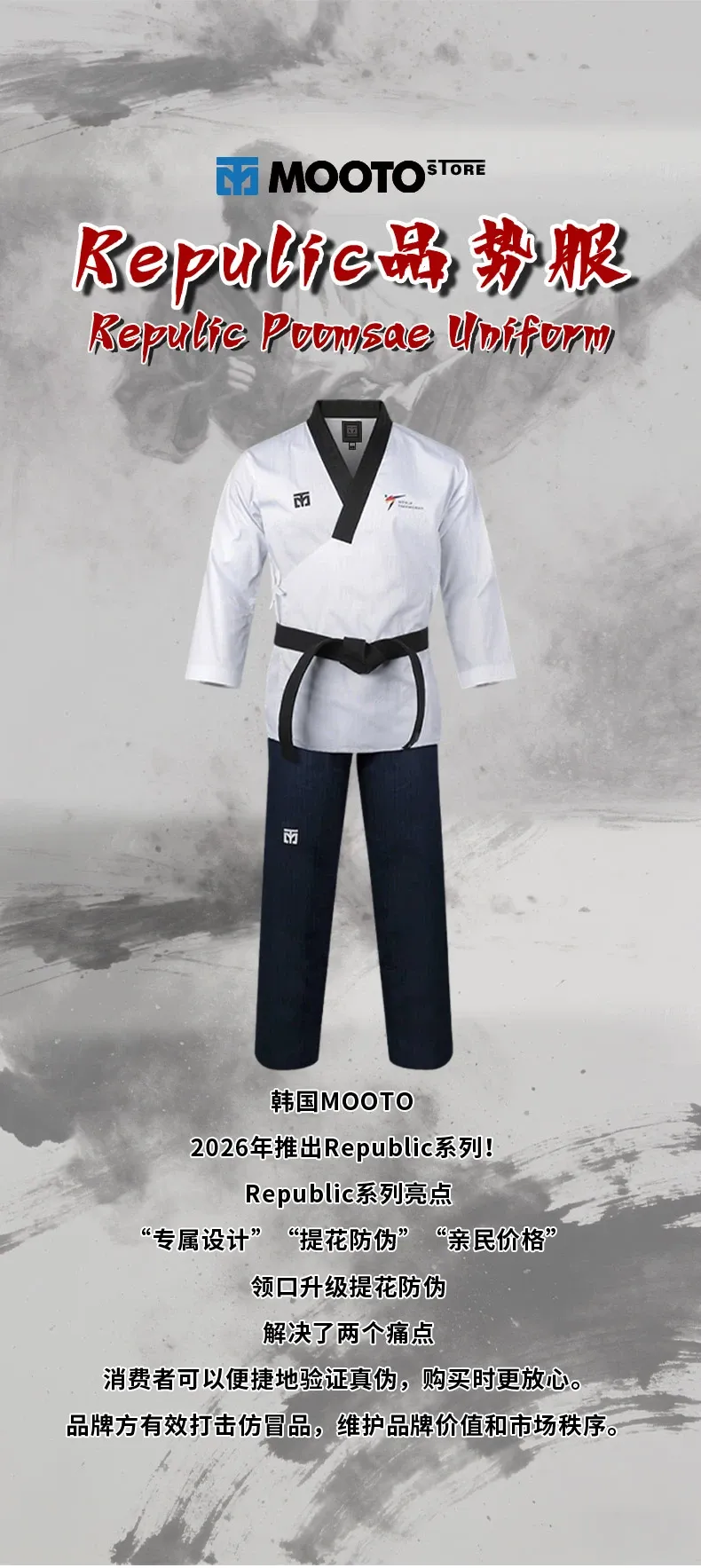
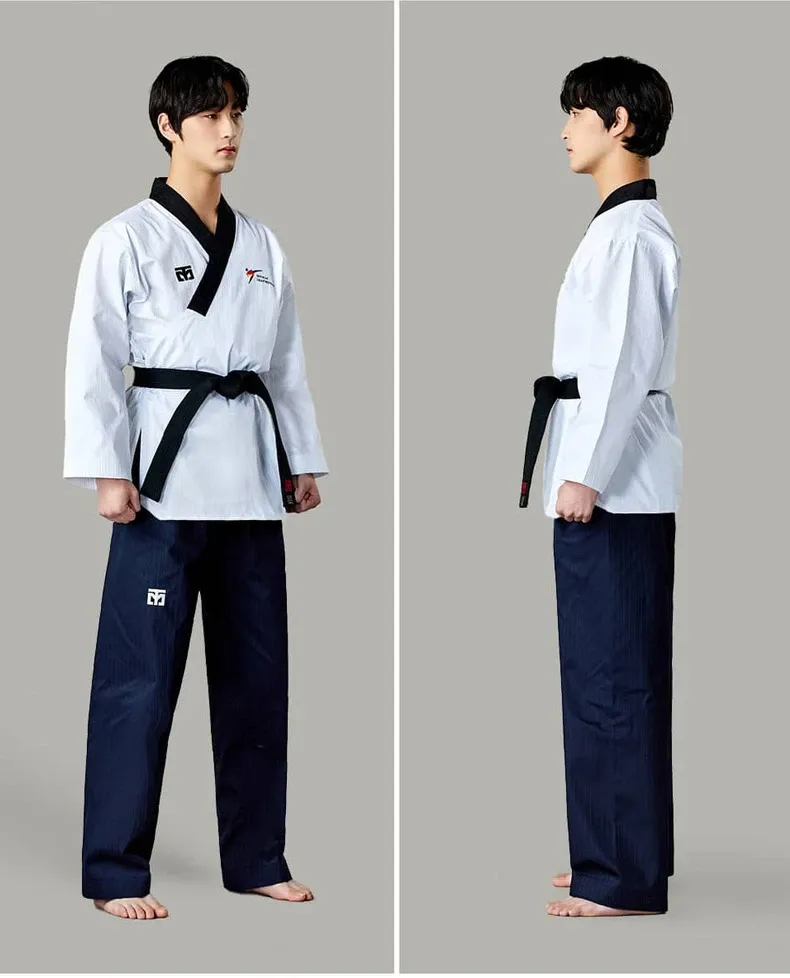
Our Republic competition uniform is designed around competition use and works as a reference for squad-level standardisation; selection questions can be raised with our team through the website inquiry form. More tournament coverage is collected on the Tournament News category page.
Three numbers define the final: 80 Para athletes from 26 nations in one day, 128 kyorugi athletes from 36 nations across two days, and eight weight categories.
KEY TAKEAWAYS
- →Dates and venue: 27-29 November at the Zhaksylyk Ushkempirov Martial Arts Palace in Astana.
- →The Para Grand Prix Final is a one-day event on 27 November with 80 athletes from 26 countries, all in K44.
- →The kyorugi Grand Prix Final runs 28-29 November with 128 athletes from 36 countries plus the Refugee Team, across eight categories.
- →Entry required a top-30 Olympic Ranking place or a 2026 Grand Prix medal; 63 athletes who medalled this season are registered.
- →The Gala Awards follow on 29 November, and Astana will host the 2027 World Championships.
FAQ
Q1.Where is the final held?+
At the Zhaksylyk Ushkempirov Martial Arts Palace in Astana, Kazakhstan.
Q2.Why does the final matter for Olympic qualification?+
World Taekwondo describes it as an important points pathway toward LA 2028, with entry determined by the Olympic Ranking and 2026 Grand Prix results.
Q3.Do the Para and kyorugi finals run on the same day?+
No. The Para Grand Prix Final is a one-day event on 27 November; the kyorugi Grand Prix Final runs 28-29 November.