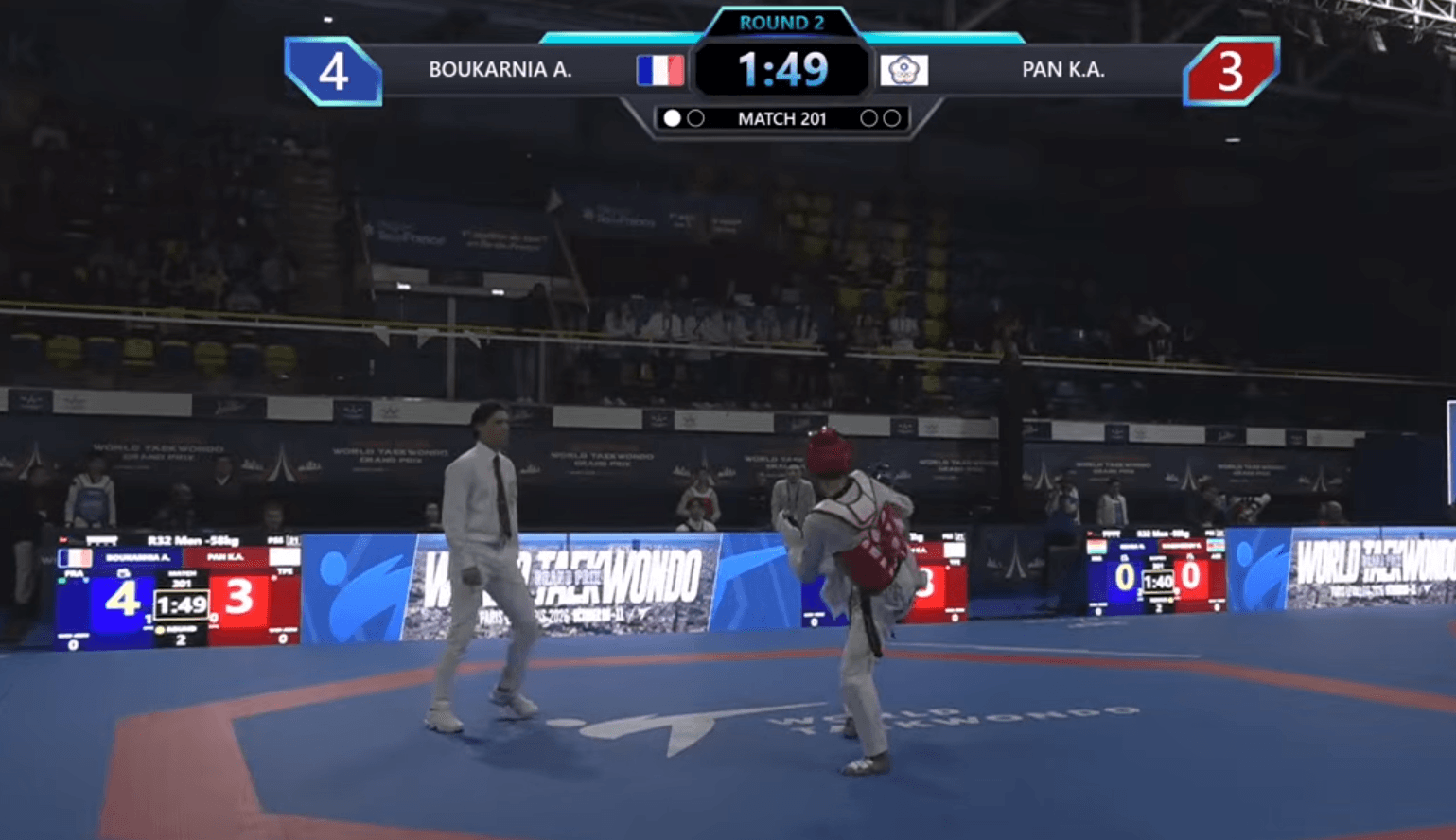
On 12 November, taekwondo closed its five-day programme at the Dakar 2026 Youth Olympic Games at Complexe Iba Mar Diop. The mixed team event made its debut as an Olympic medal event that day, with 28 athletes from seven nations competing; Jordan took gold, Turkiye silver and Mexico bronze.
For a medal table that is one line. For dojang coaches and equipment buyers it is a signal about competition format: a team event now sits inside the Olympic medal programme, and training structure, squad planning and gear preparation all follow.
The mixed team event moved from Olympic showcase to medal event across two Olympic cycles. Jordan won the inaugural title in Dakar.
Results: Jordan gold, Turkiye and Mexico on the podium
According to World Taekwondo's official release, seven teams entered the inaugural competition: Germany, Jordan, Saudi Arabia, Mexico, Senegal, Tunisia and Turkiye, 28 athletes in total. Men and women competed as teammates, combining individual skill with shared team tactics and momentum management.
Jordan beat Turkiye in the final to take the historic first title, with Turkiye earning silver and Mexico bronze. The gold carried a further distinction: Abdallah Alzawahra had already won M-63kg and Ahmad Aldahamsheh had taken M-73kg, and both claimed a second title of the Games in the team event.
From Tokyo to Paris to Dakar: how the format got here
The mixed team format was not new to the Olympic stage. World Taekwondo notes it was showcased at Tokyo 2020 and Paris 2024 before becoming an Olympic medal event for the first time in Dakar. Moving from showcase to medal status took two Olympic cycles, a test of format stability, watchability and field size.
One number in the same release is easy to miss: taekwondo staged 11 medal events at these Youth Olympic Games, 10 individual categories plus the mixed team, the third highest number of medal events of any sport behind athletics and aquatics. The team event raises taekwondo's weight in the programme.

What the team format changes: rotation depth, coaching, gear consistency
Rotation depth sets the ceiling
An individual event asks one athlete to peak. A team event asks a coach to sequence several athletes inside one match, who starts, who closes, when to substitute, and every choice moves the score. A squad needs combinations that score reliably in different match-ups rather than three strong individuals.
Gear consistency becomes a planning item
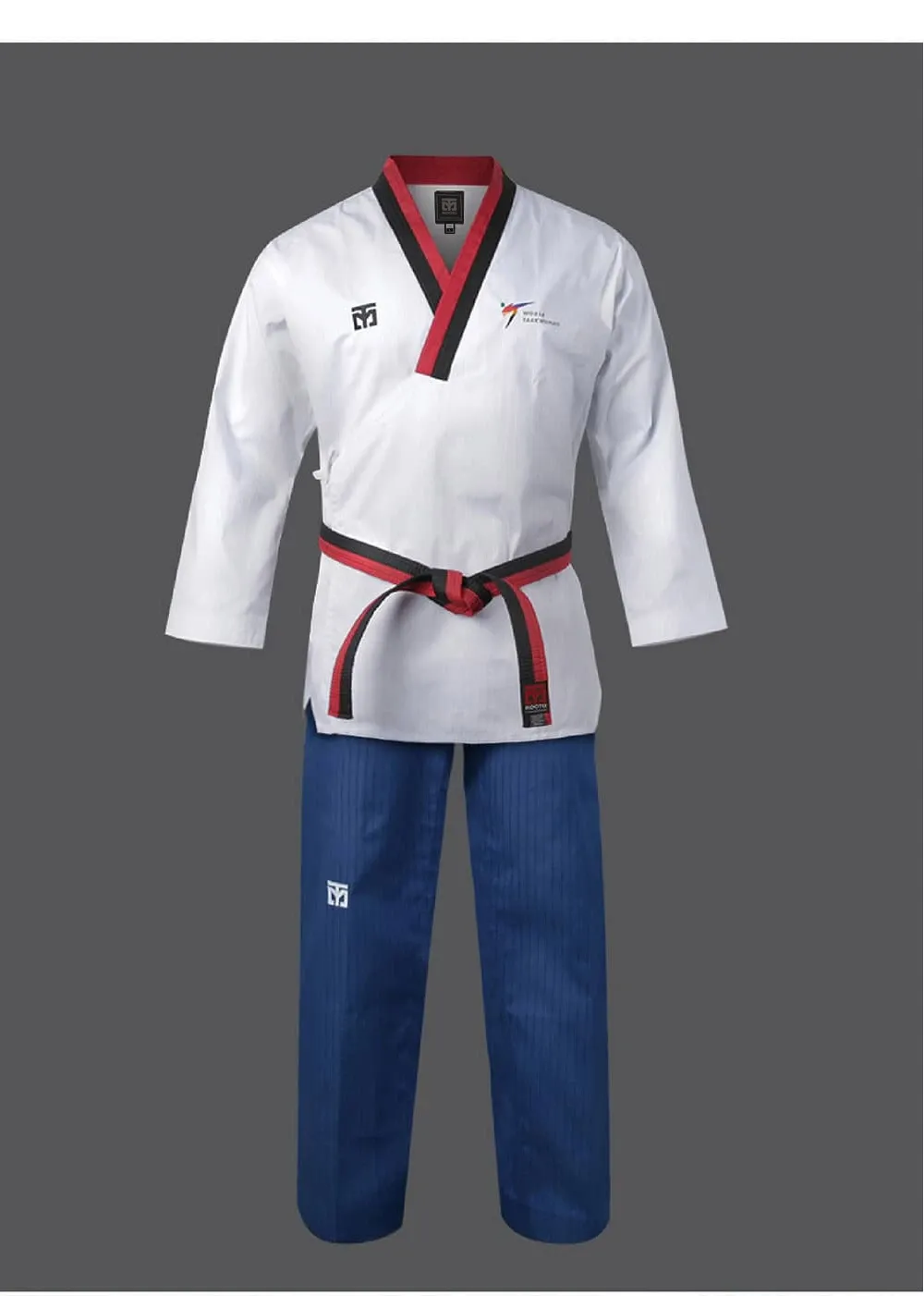
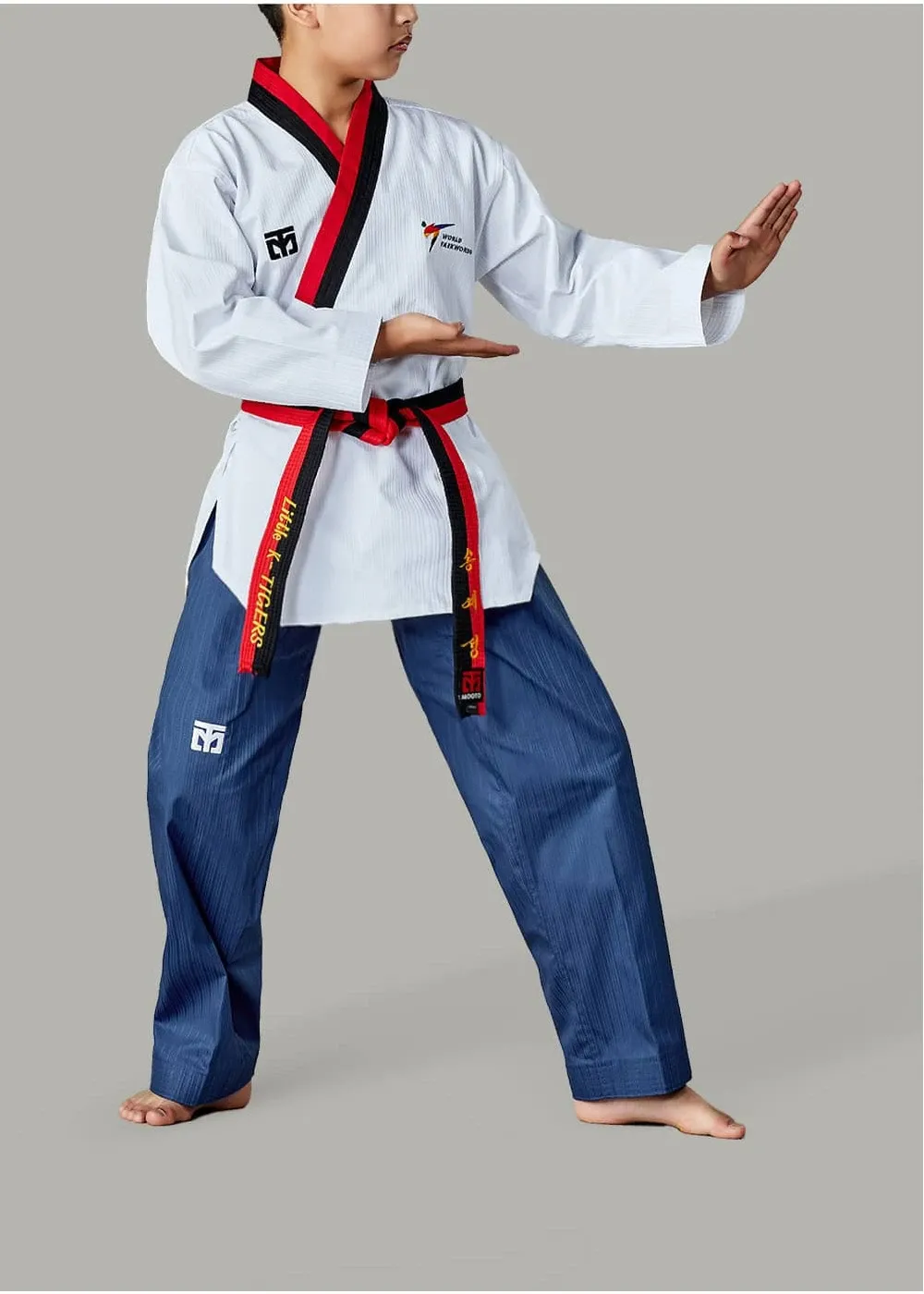
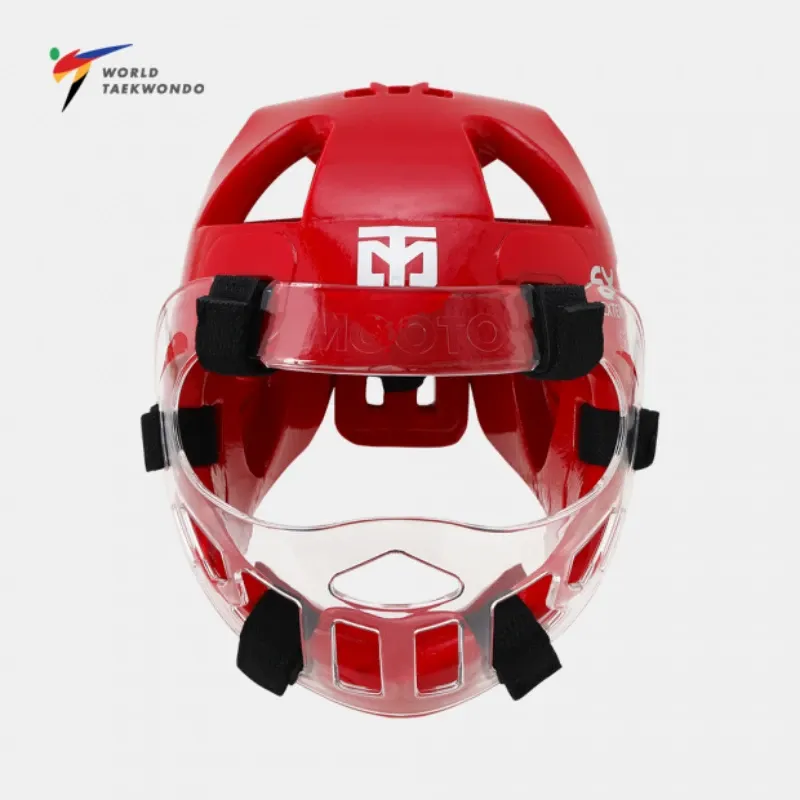
With athletes from different divisions on one squad, dobok and protector sizing spans the widest range in the sport. If the pre-event check only covers the starters, a substitute can end up in gear that does not fit, and a loose protector changes both impact detection and range of motion. That is why MOOTO has long argued for set-based configuration at international level: dobok, protectors and hand guards prepared to one specification and one batch, so variables at mat-side stay small.
Three implications for dojangs and buyers
First, training structure. Team tactics cannot be covered by private lessons alone; a dojang that fields a team needs combination drills and rotation practice on top of the regular class. Second, equipment planning. Squads spanning divisions need a wider size spread, so ordering by squad size and division range beats restocking around the starters. Third, stock timing. Team events usually close a championship, when wear is concentrated, so high-cycle items such as hand guards and chest protectors need to be in stock early.
If you are planning competition gear for a dojang or a squad, start with the cut and weight differences across the competition dobok range, then send squad size, division spread and budget through the website inquiry channel for a set-based recommendation and volume quotation.
"Its arrival reflects the sport's continued evolution and its appeal to a new generation of athletes and fans."
Keep reading: format and training
For the individual competition, read the day four report from Dakar; for training methods behind team events, see the Training Technique section; the MOOTO and World Taekwondo partnership since 1984 is covered in Brand Story.
KEY TAKEAWAYS
- →The mixed team event became an Olympic medal event for the first time on 12 November 2026 at Dakar
- →Seven nations and 28 athletes took part; Jordan gold, Turkiye silver, Mexico bronze
- →The format had appeared as a showcase at Tokyo 2020 and Paris 2024
- →Taekwondo staged 11 medal events at the Games, third most of any sport
FAQ
Q1.How large was the field in Dakar?+
Seven teams and 28 athletes in total, with men and women competing on the same squad, per World Taekwondo.
Q2.Had the mixed team event appeared at the Olympics before?+
Only as a showcase, at Tokyo 2020 and Paris 2024. Dakar 2026 was the first time it counted as an Olympic medal event.
Q3.What does the team format change for dojang purchasing?+
Sizing spans more divisions, so gear should follow squad and division range rather than starter sizes, with high-wear items such as hand guards and chest protectors stocked early.
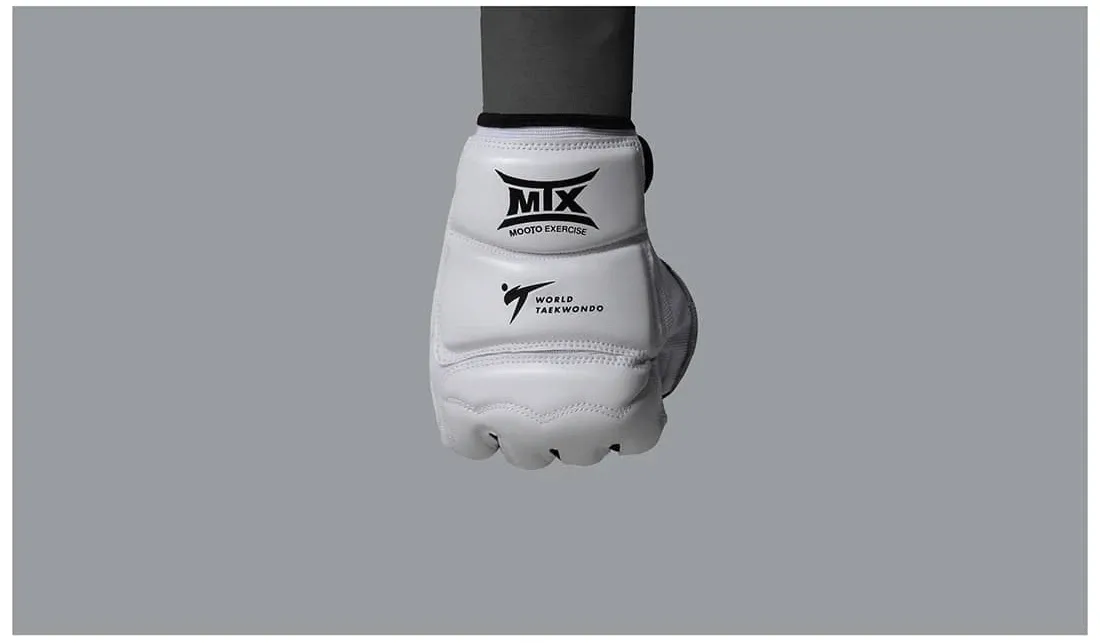
MTX 2 Hand Protector
MTX 是为全球所有跆拳道运动员的基础训练及比赛提升而设计的系列。不仅品质优良,还承诺合理价格,使每位跆拳道运动员都能无负担地佩戴使用。
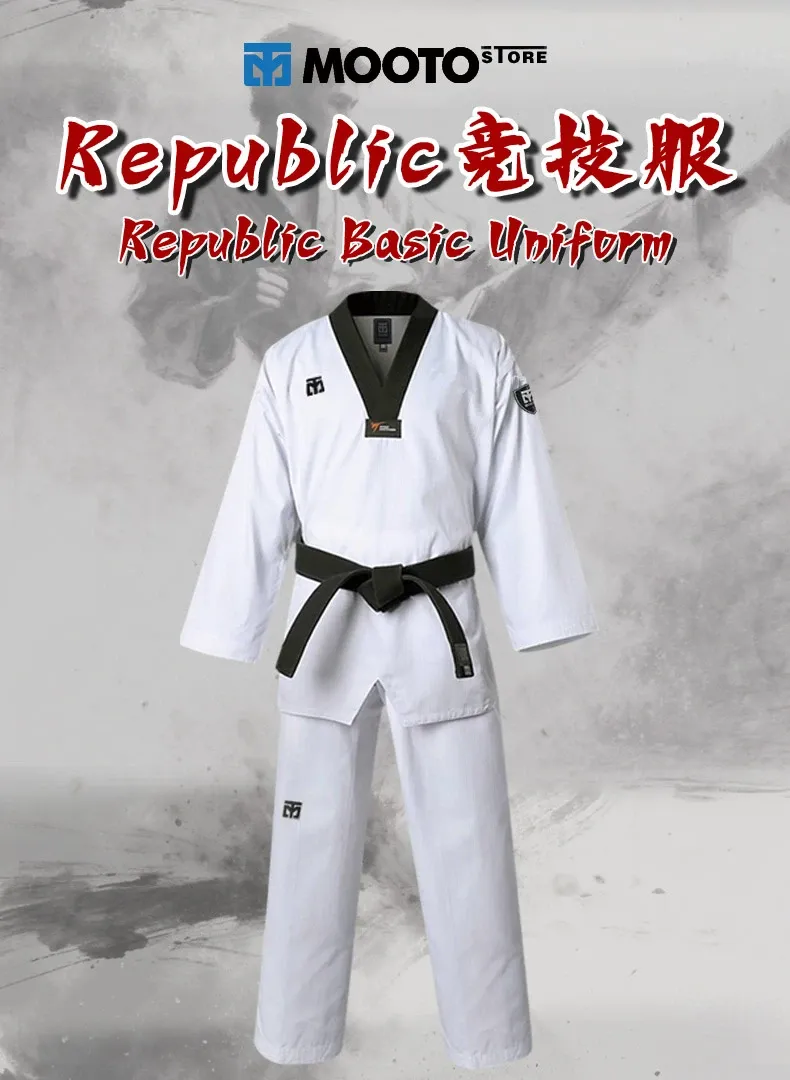
(CQ)Republic Basic Uniform/without Belt
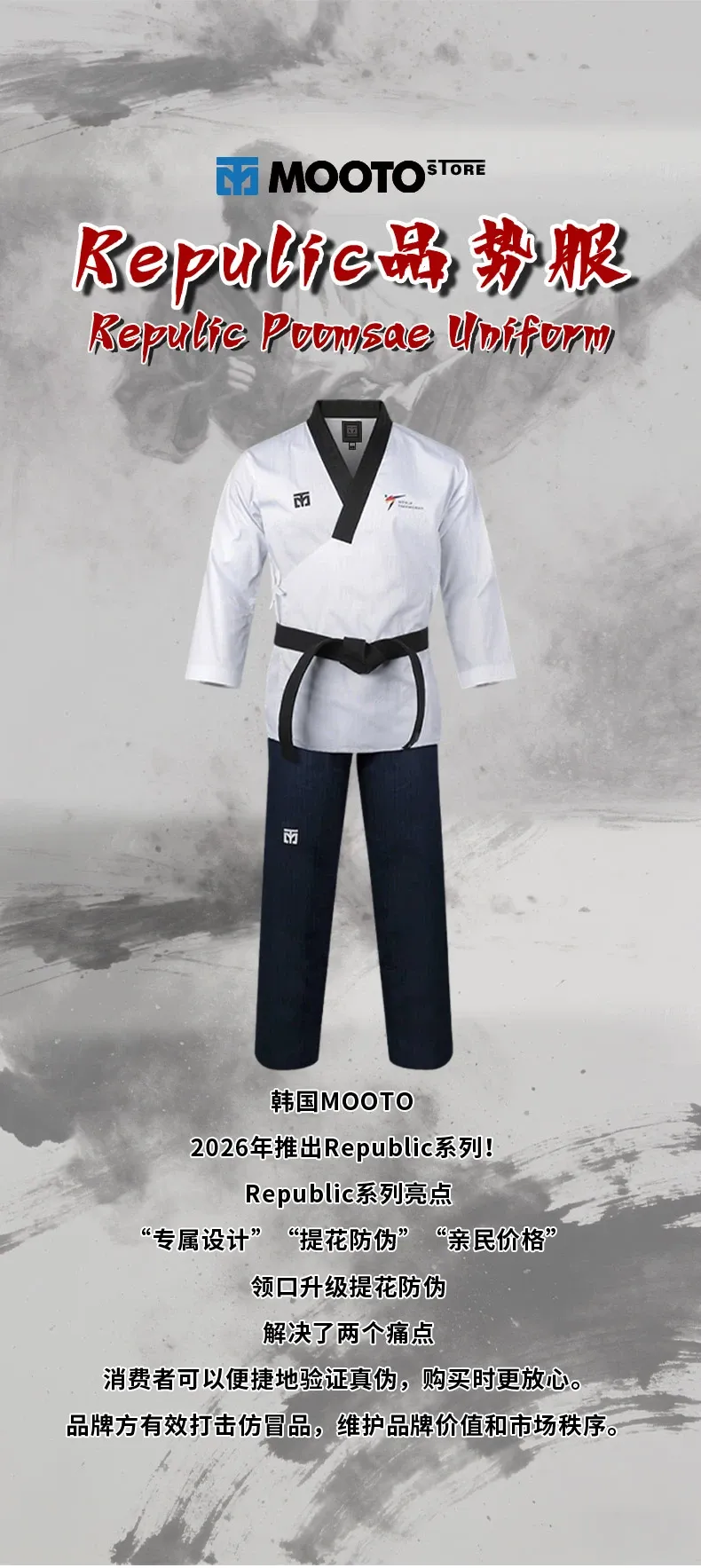
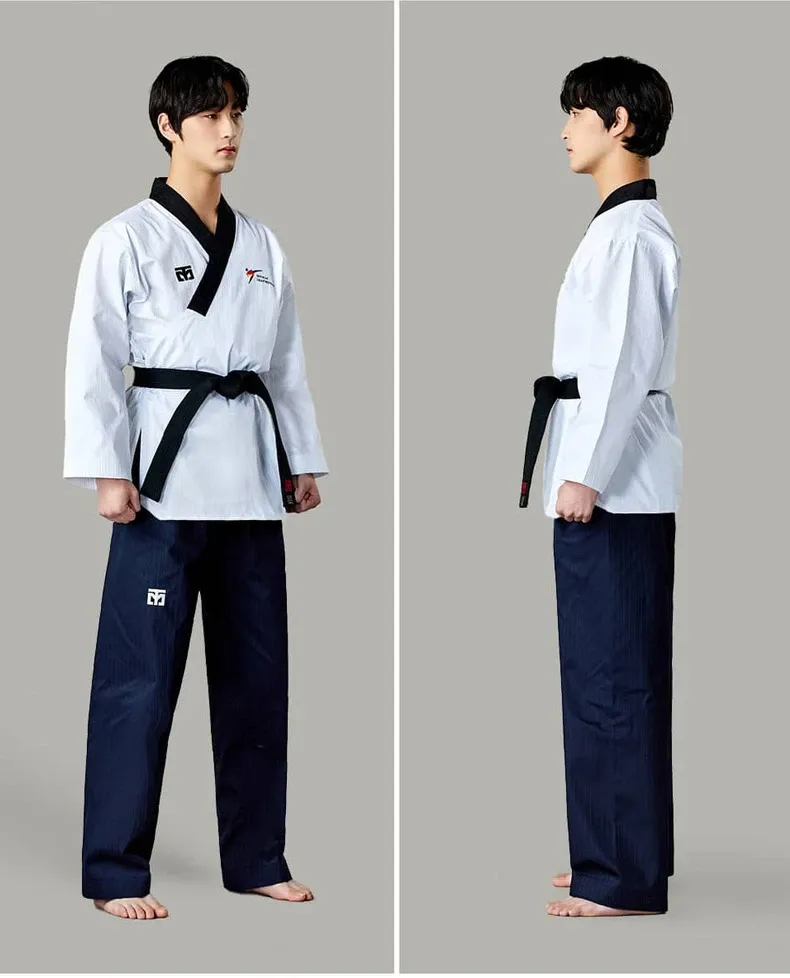
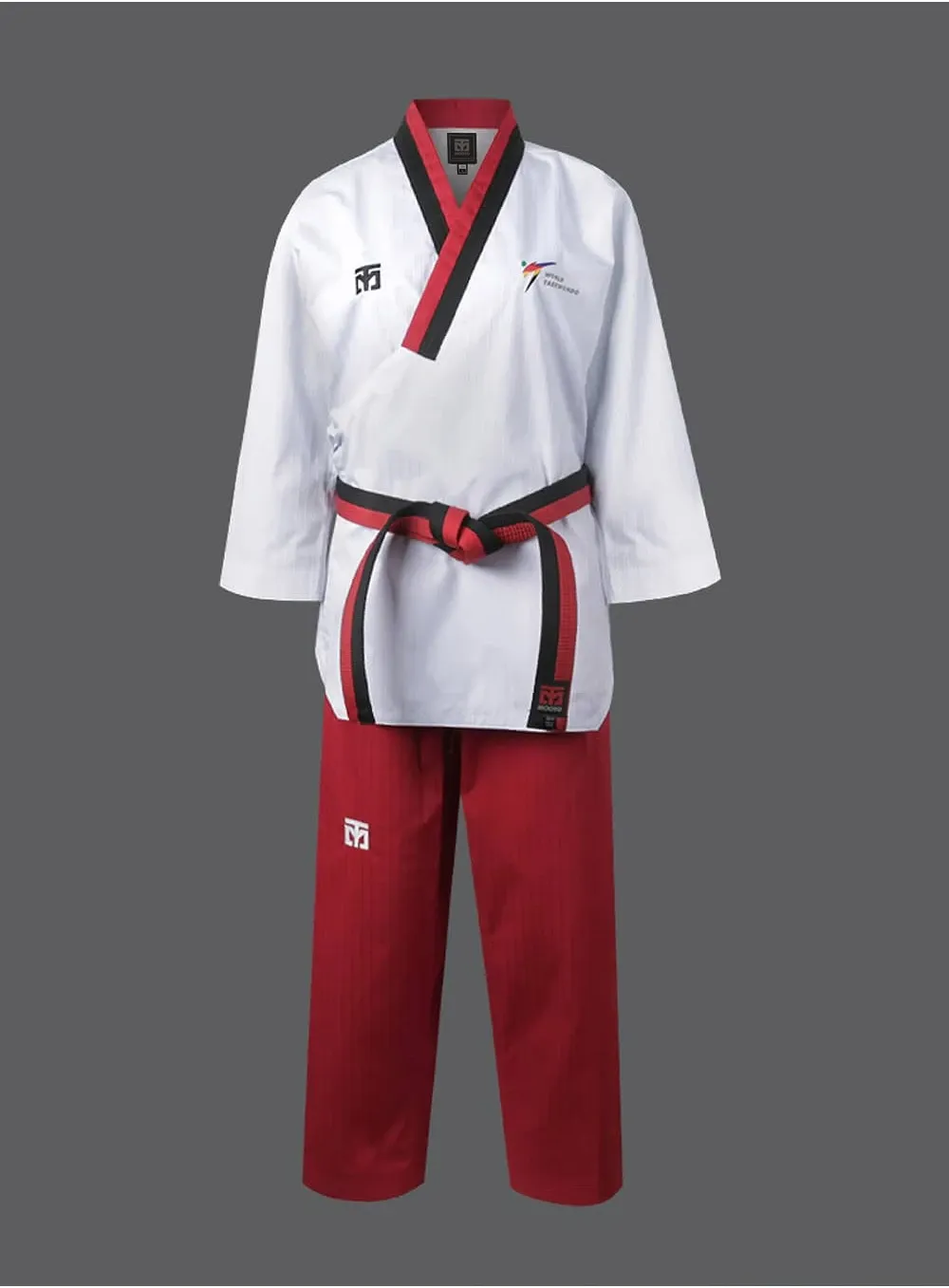
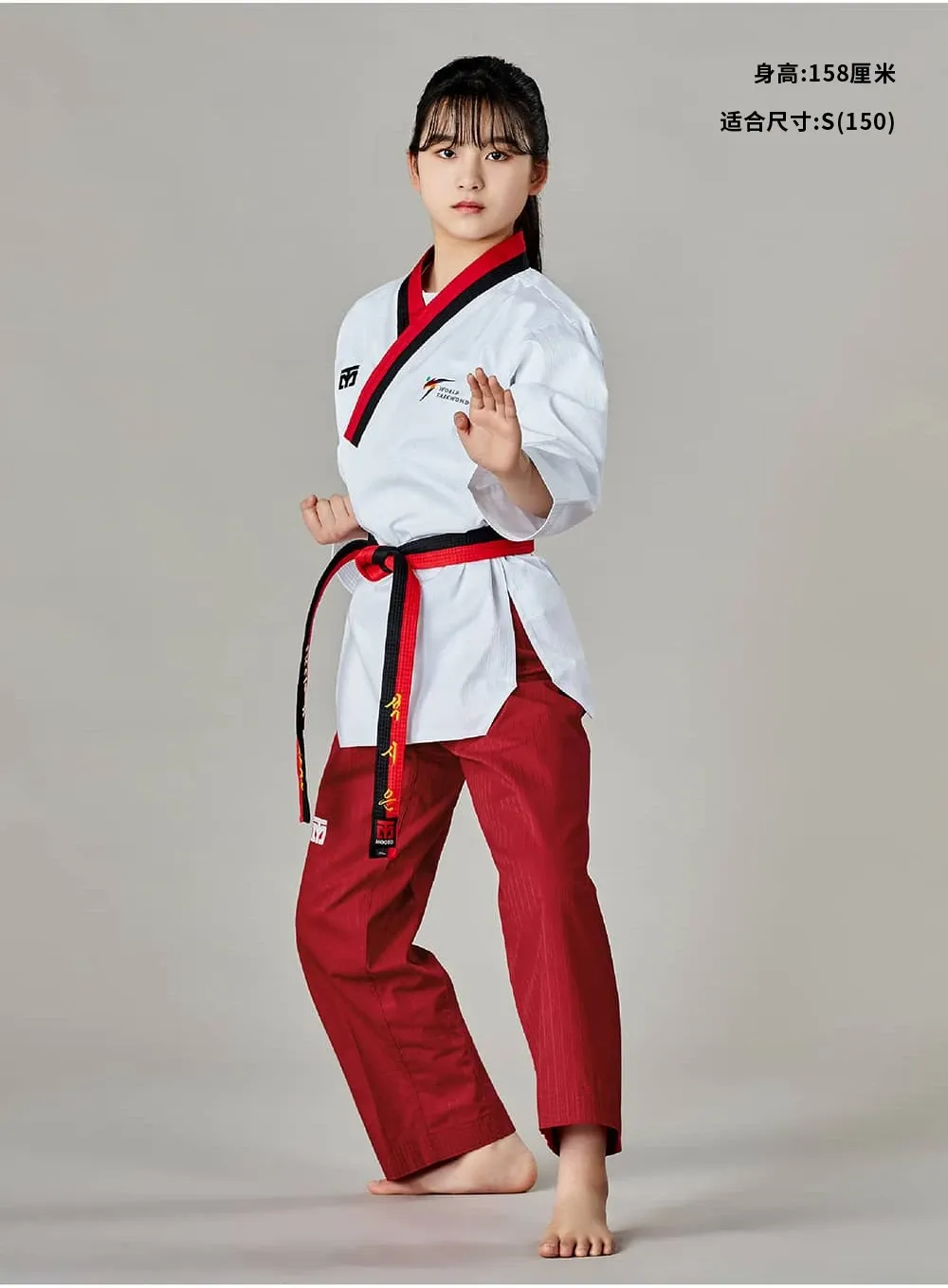
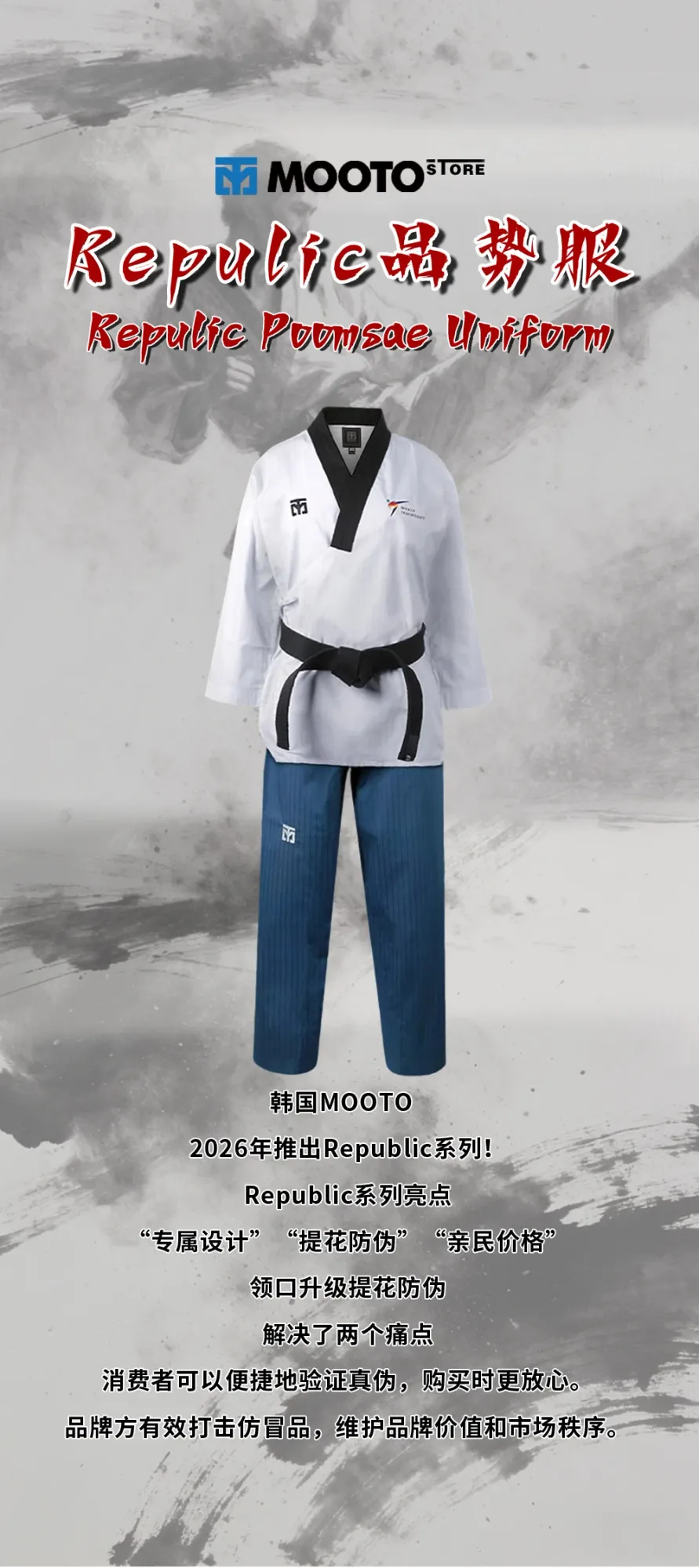
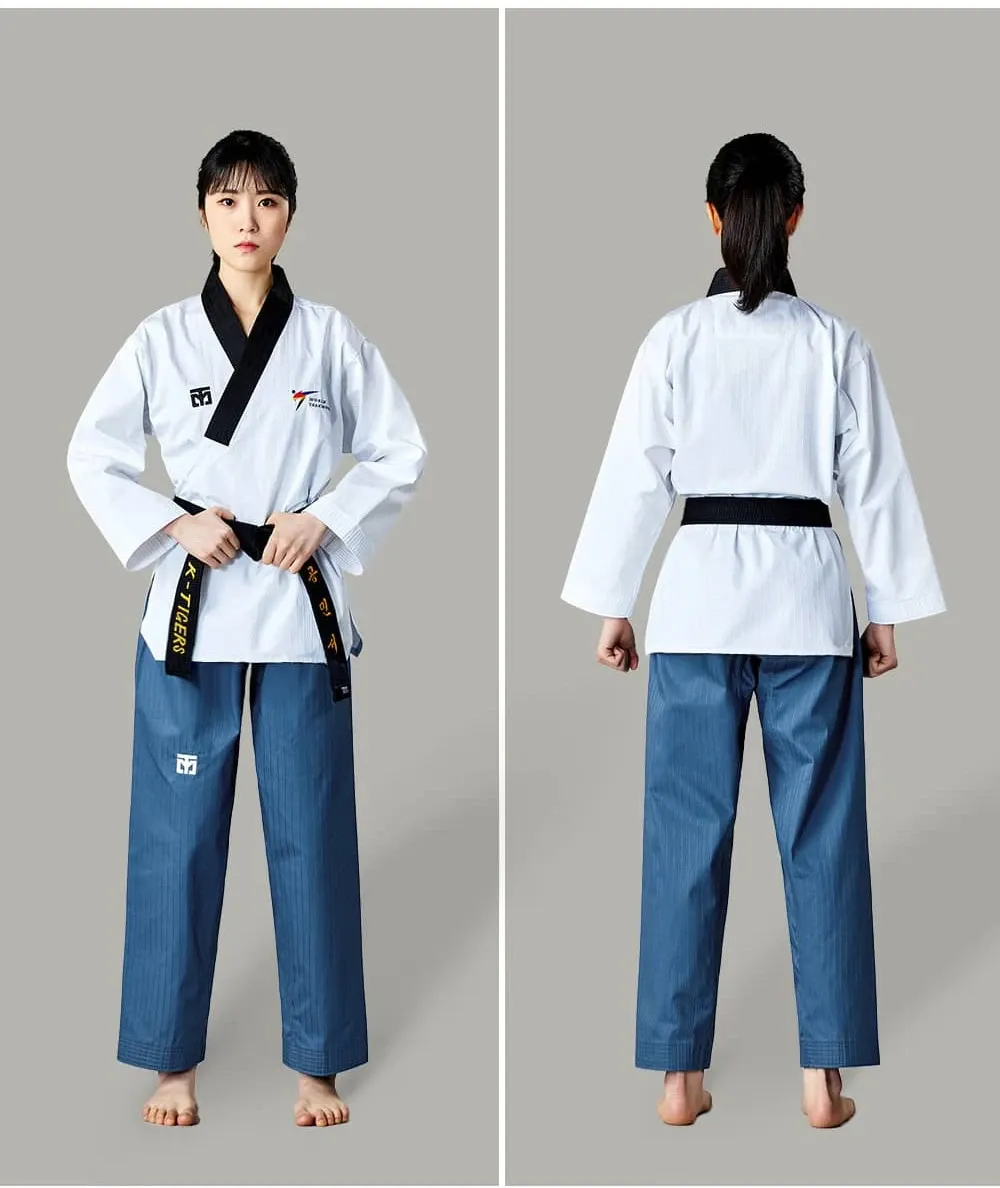
MOOTO 全新力作 ——Republic 竞技道服,中国官网正式上新。独创领口暗纹防伪工艺,将品牌专属图腾与武道印记低调隐匿于领部肌理。不张扬、不浮夸,正如武者内敛谦逊的本心。于方寸之间,承载礼仪、廉耻、忍耐、克己、百折不屈的武道精神;于赛场之上,助力武者突破极限,尽显王者风范。