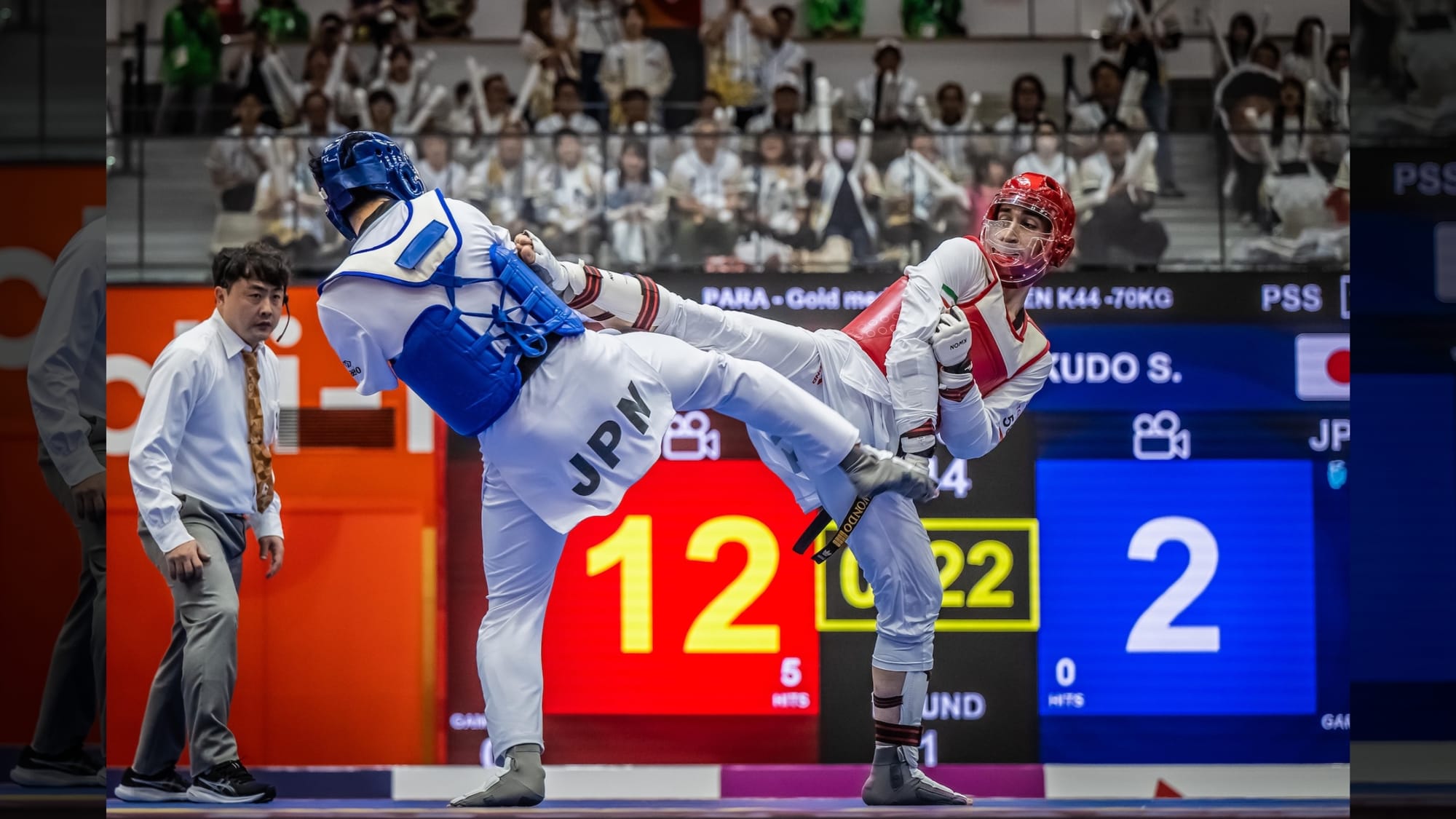
Taekwondo at the Dakar 2026 Youth Olympic Games moved into its third day on 10 November. When the women's -55kg final ended, the noise inside Complexe Iba Mar Diop carried on for more than ten minutes: Senegal's Marie Sarr beat Tunisia's Yasmine Haouani 2-0 to win the host nation's first-ever Olympic taekwondo gold medal. Jordan and Germany also took titles on the same day, in the men's -63kg and women's -63kg respectively.
A home gold: the roar started in the semi-finals
The weight of the result was visible well before the final. Two Senegalese athletes reached the semi-finals in the morning session, and the stands never settled after that. In the final Sarr controlled the scoring rhythm across both rounds, never allowing her opponent to close the gap, and closed out the match 2-0. Once the referee signalled the end, dancing and singing in the stands continued for over ten minutes, with competing athletes joining the celebration.
Sarr is not a sudden arrival. She took part in World Taekwondo Olympic Solidarity camps held in Senegal in 2024, 2025 and 2026. For youth programmes across Africa, that pathway matters more than a single medal: the camps supply consistent coaching, training partners and a competition route, so progress can be repeated rather than depending on one exceptional talent appearing by chance.
Key facts: three golds on day three (10 November). Women's -55kg: Marie Sarr (SEN) beat Yasmine Haouani (TUN) 2-0. Men's -63kg: Abdallah Alzawahra (JOR) beat Guillermo Manuel Cortes Labastida (MEX) 2-1. Women's -63kg: Luna Fellinger (GER) beat Asal Goltapeh (IRI) 2-0.
Jordan and Germany: two very different finals
The men's -63kg was the closest contest of the day. Jordan's Abdallah Alzawahra beat Mexico's Guillermo Manuel Cortes Labastida 2-1. Cortes Labastida arrived as the reigning junior world champion from Tashkent 2026 and was widely regarded as the favourite, but once the final went to a third round the initiative shifted to the Jordanian side. Ibrahim Efe Duzel of Türkiye and Nikolai Yuma Sparre of Germany shared bronze. Alzawahra also has a camp background, having attended an Olympic Solidarity camp in Jordan in 2025.
The women's -63kg followed a different pattern. Germany's Luna Fellinger defeated Iran's Asal Goltapeh 2-0 without letting either round become a close exchange. Bronze went to Senegal's Aida Toure and Türkiye's Ayse Isik, which put the host nation on the podium in this category as well.
Ringside: the IOC President attends as the scale is confirmed
IOC President Kirsty Coventry was in the arena for the third day of competition, watching the women's -55kg, women's -63kg and men's -63kg finals alongside World Taekwondo President Dr. Chungwon Choue and IOC Member Dagmawit Girmay Berhane. IOC Sports Director Pierre Ducrey, IOC Athletes' Commission members Oluseyi Smith and Cheick Cissé, and Athlete Role Model Ruth Gbagbi were also in attendance.
According to figures published by World Taekwondo, 99 athletes are competing in taekwondo at these Games, 49 men and 50 women, from 65 countries and the Refugee Olympic Team. By number of medal events, taekwondo is the third-largest sport on the Dakar 2026 programme, and these are the first Olympic-series Games staged on the African continent. On day two (9 November), Korea and Chinese Taipei took the women's -49kg and men's -55kg titles, while Lourance Numukiza of the Refugee Olympic Team competed in the women's -49kg, the first time a refugee team has entered taekwondo at a Youth Olympic Games.
Coaching view: two training signals from three finals
First, the ability to handle a third round is becoming the dividing line in youth competition. Two of the three finals ended 2-0; the only match that reached a third round was the men's -63kg, and that was the final in which the pre-event favourite lost. For dojo planning this means the first 30 seconds of a third round deserve their own training block: level scores, trailing by four or fewer, leading by two or fewer, each with a separate opening and a separate way to stop the bleeding, rather than rehearsing only the scoring patterns of a match already being won.
Second, the strength gap between continents is narrowing. Jordan and Senegal won gold on day three, and Niger and Bolivia took bronze on day two; most of those athletes had come through Olympic Solidarity camps. The implication for talent identification and training order is straightforward: in youth categories, build transferable fundamentals first, meaning footwork, distance control and defensive correction, and add scoring combinations afterwards. That sequence is more reliable than chasing difficult techniques early.
Equipment and hosting: three things youth events overlook
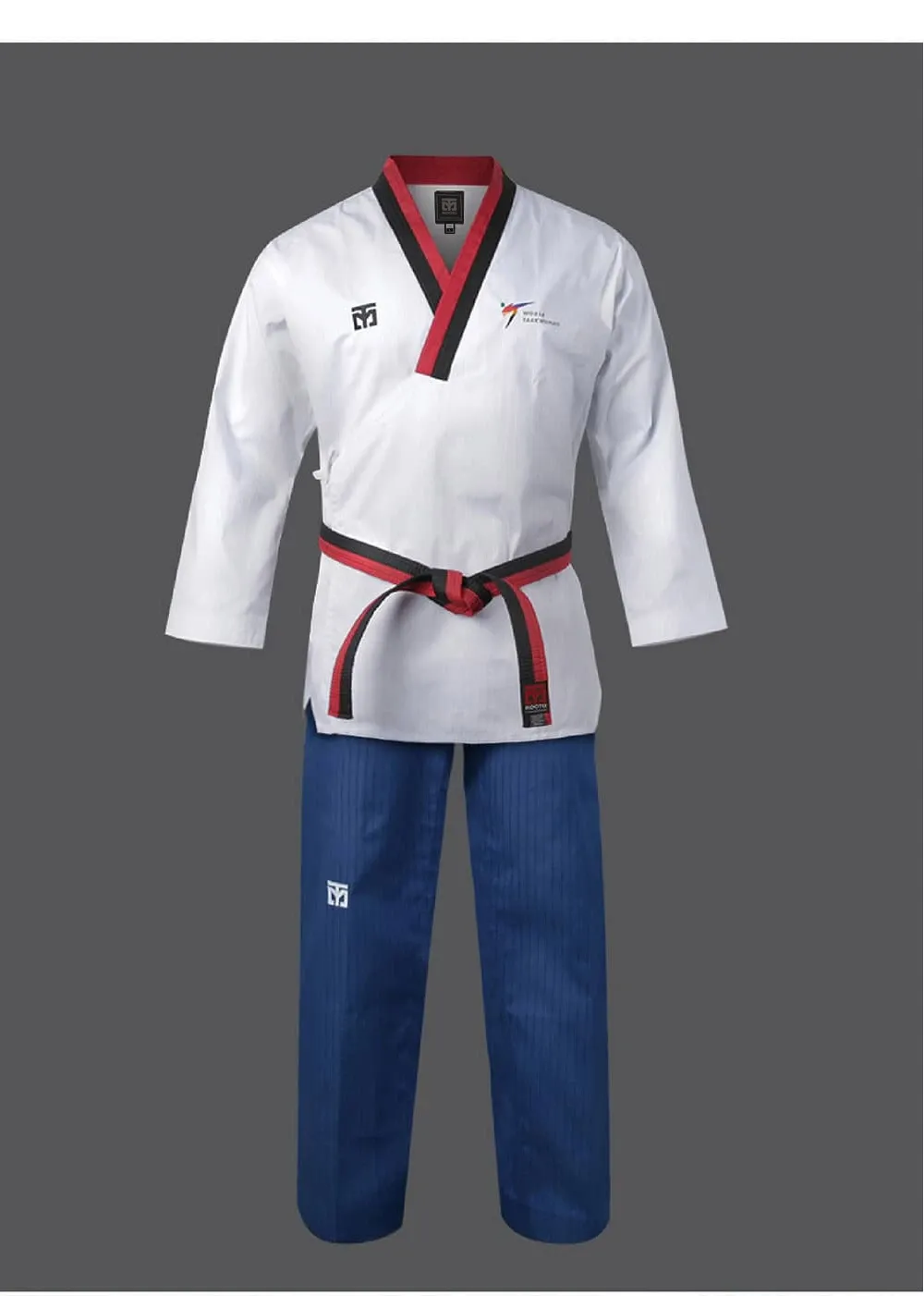
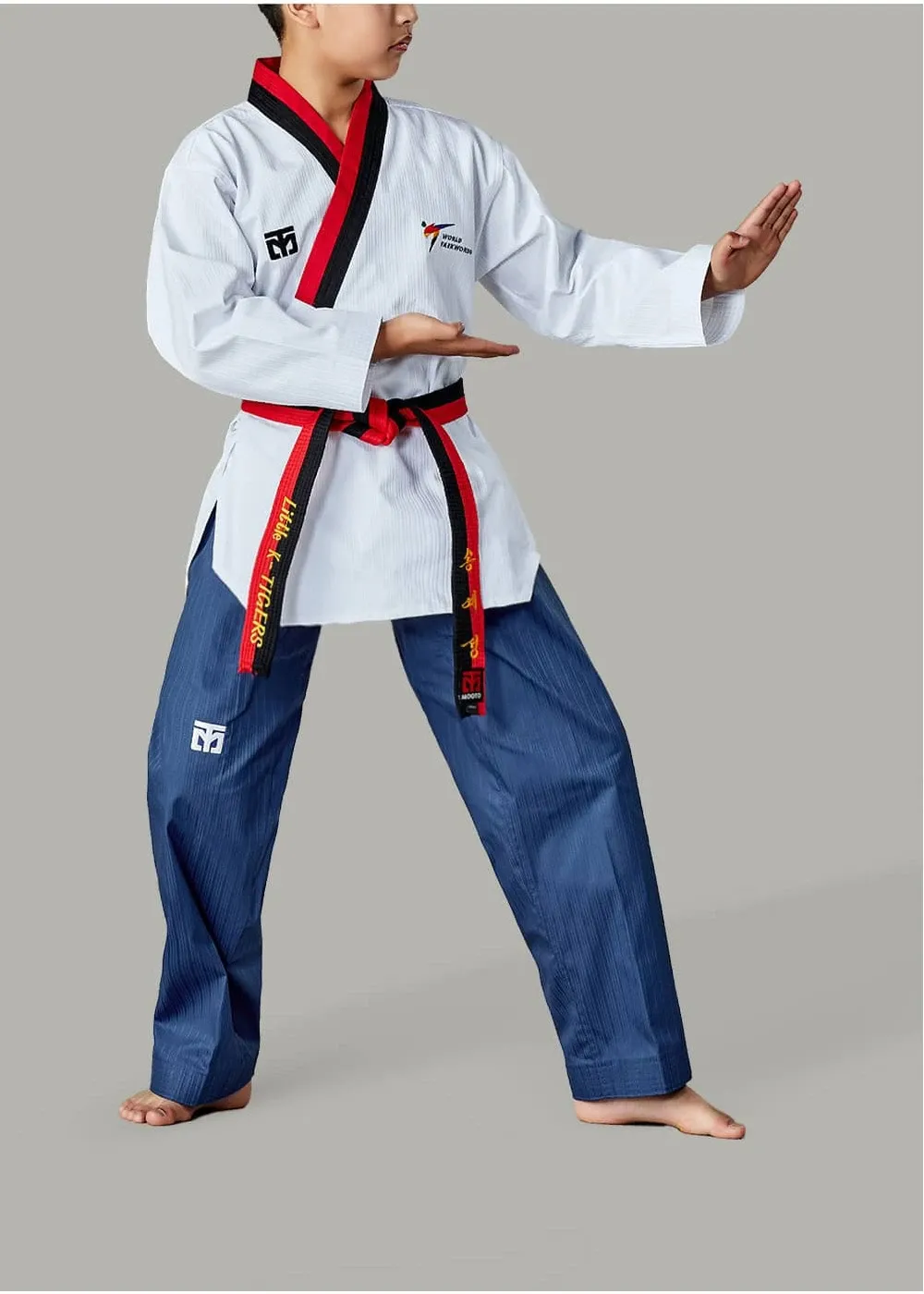
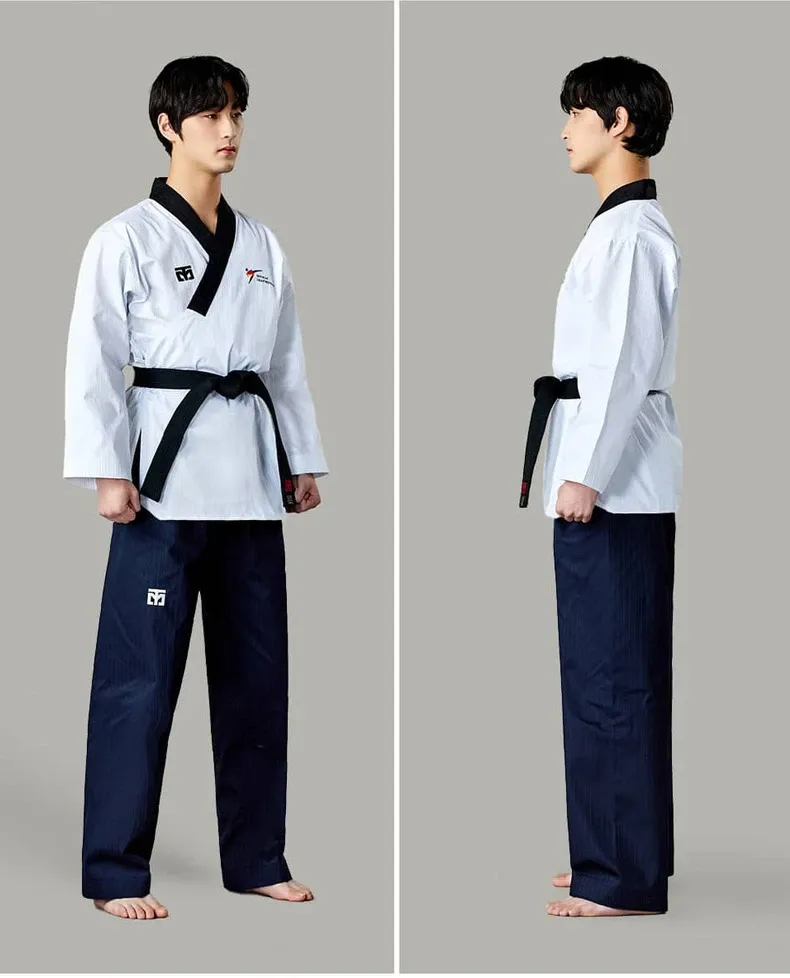
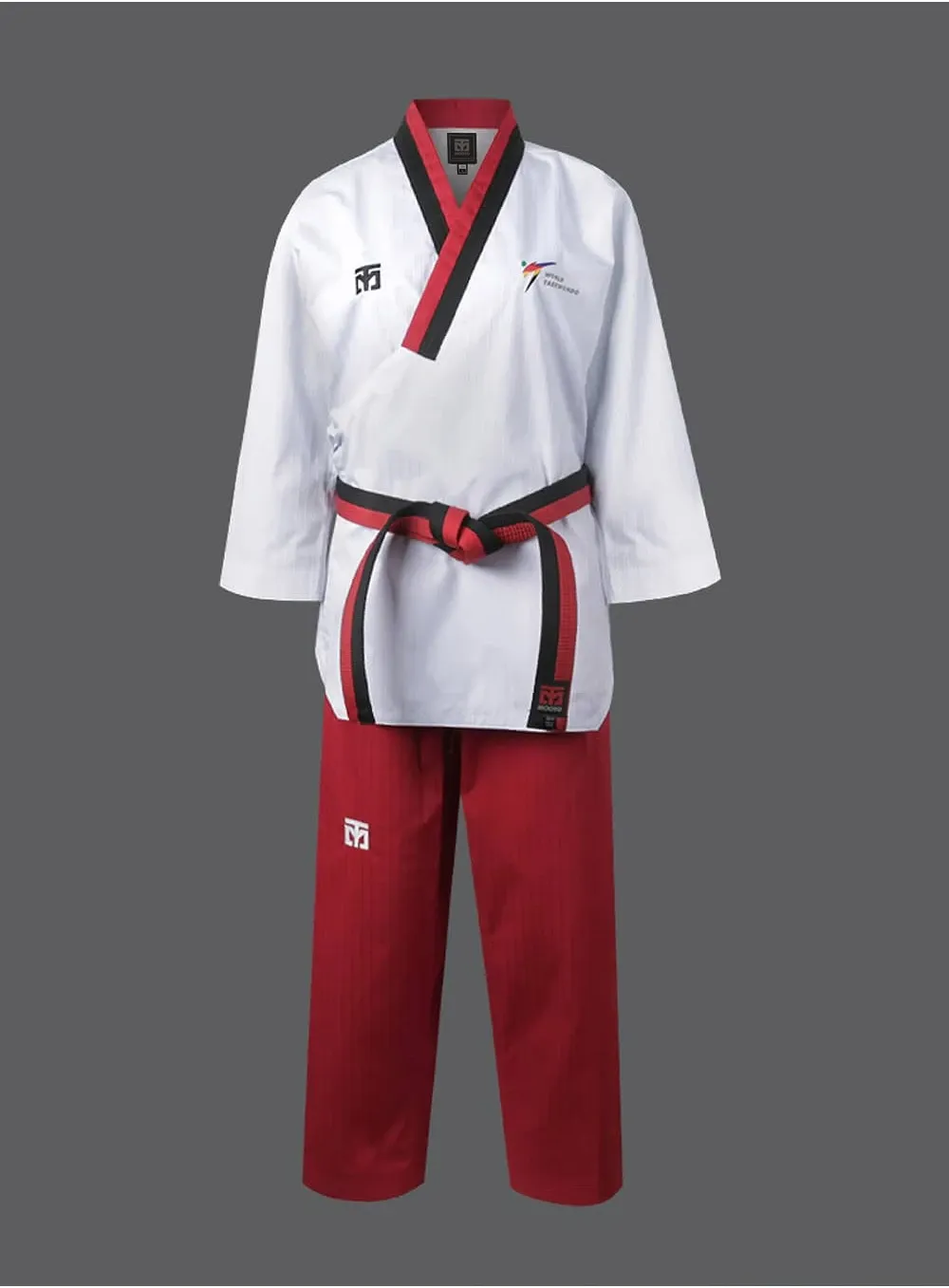
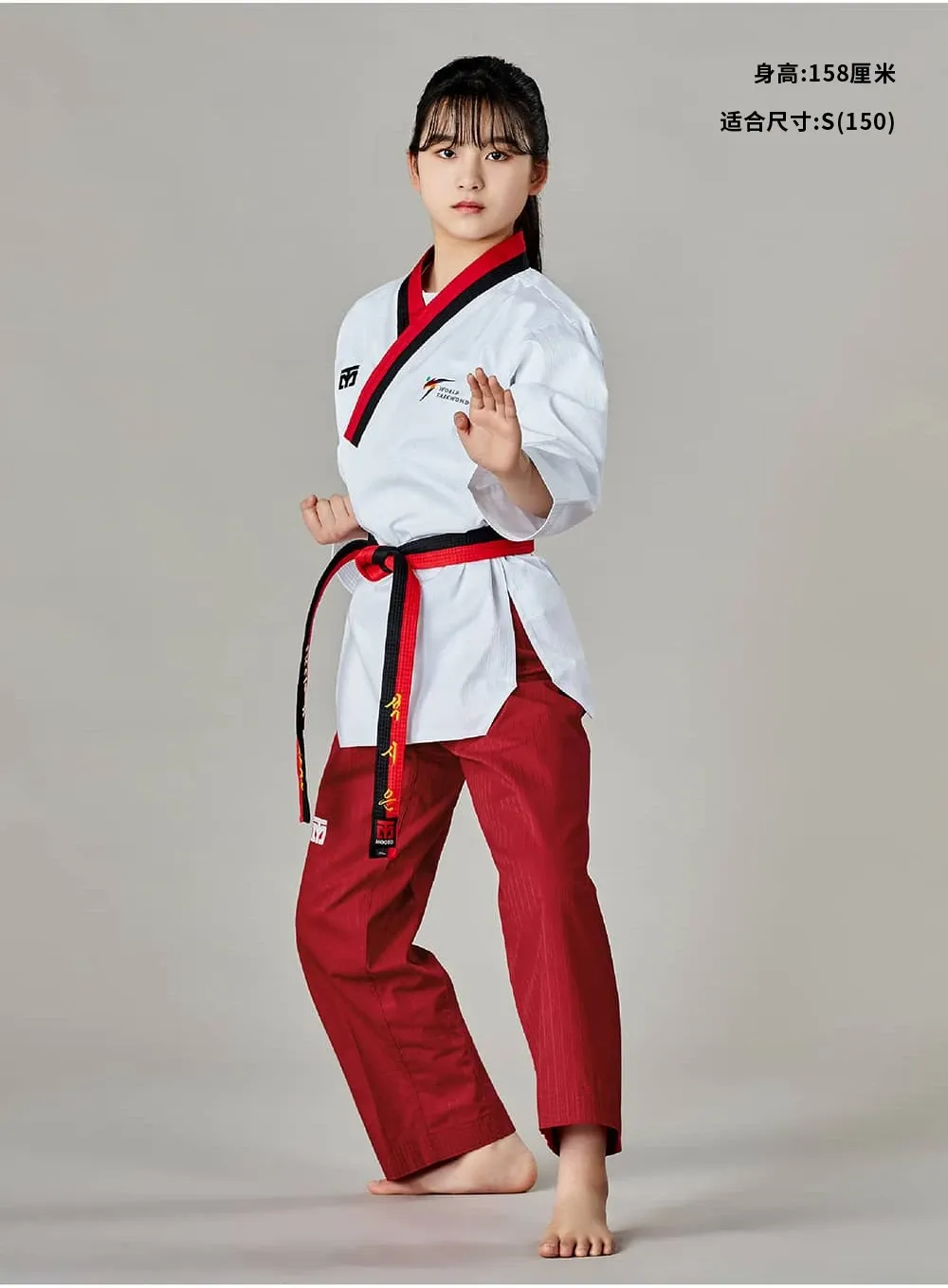
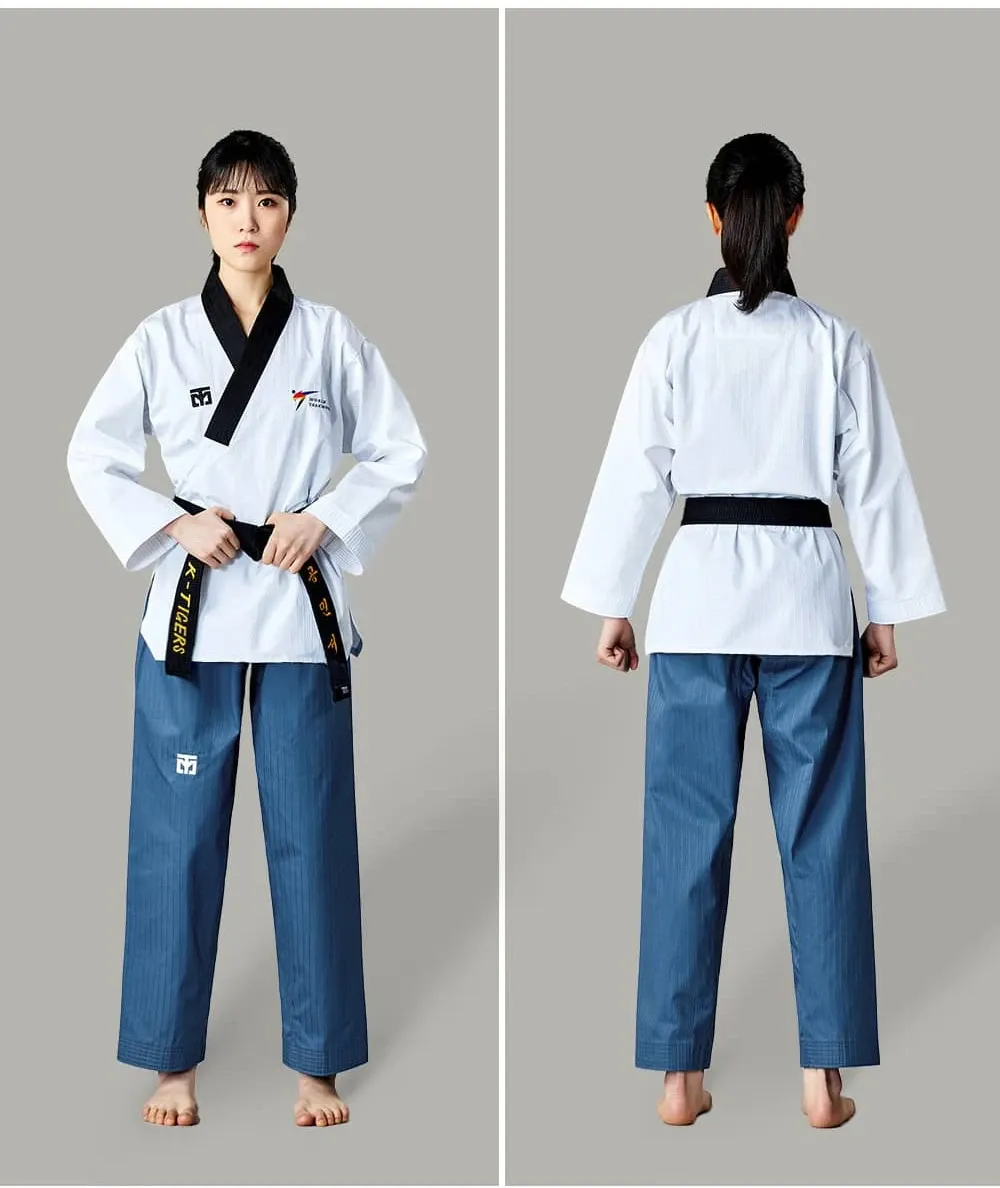
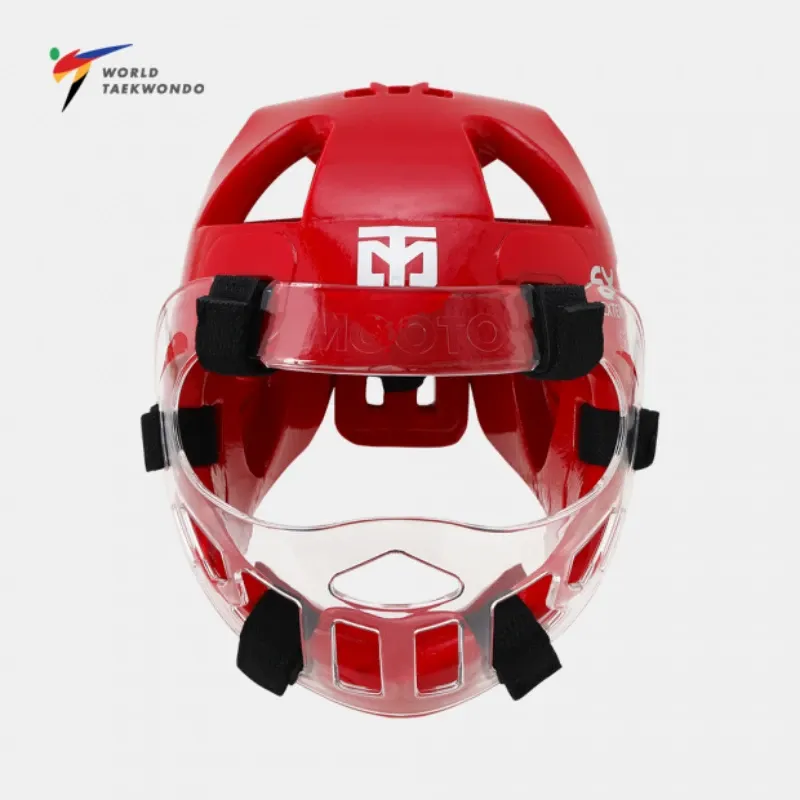
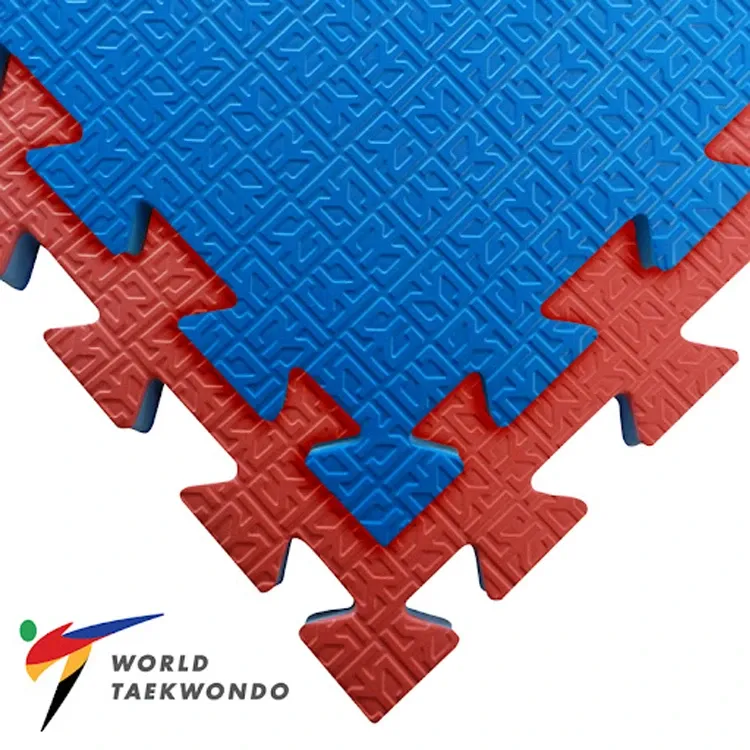
The first is electronic protector compliance: sensor position, fit and size grade all have to be confirmed before the equipment check. Youth athletes change height quickly and body types vary widely within a single weight division, so stocking a full size gradient by division is more practical than splitting stock evenly by headcount. The second is dobok strength and fit, since repeated kicking across two rounds puts continuous load on shoulder and underarm seams. The third is mat grip and joints: the direction of the mat joints and the cleanliness of the surface affect landing and turning stability, and hosts should complete an inspection before competition starts.
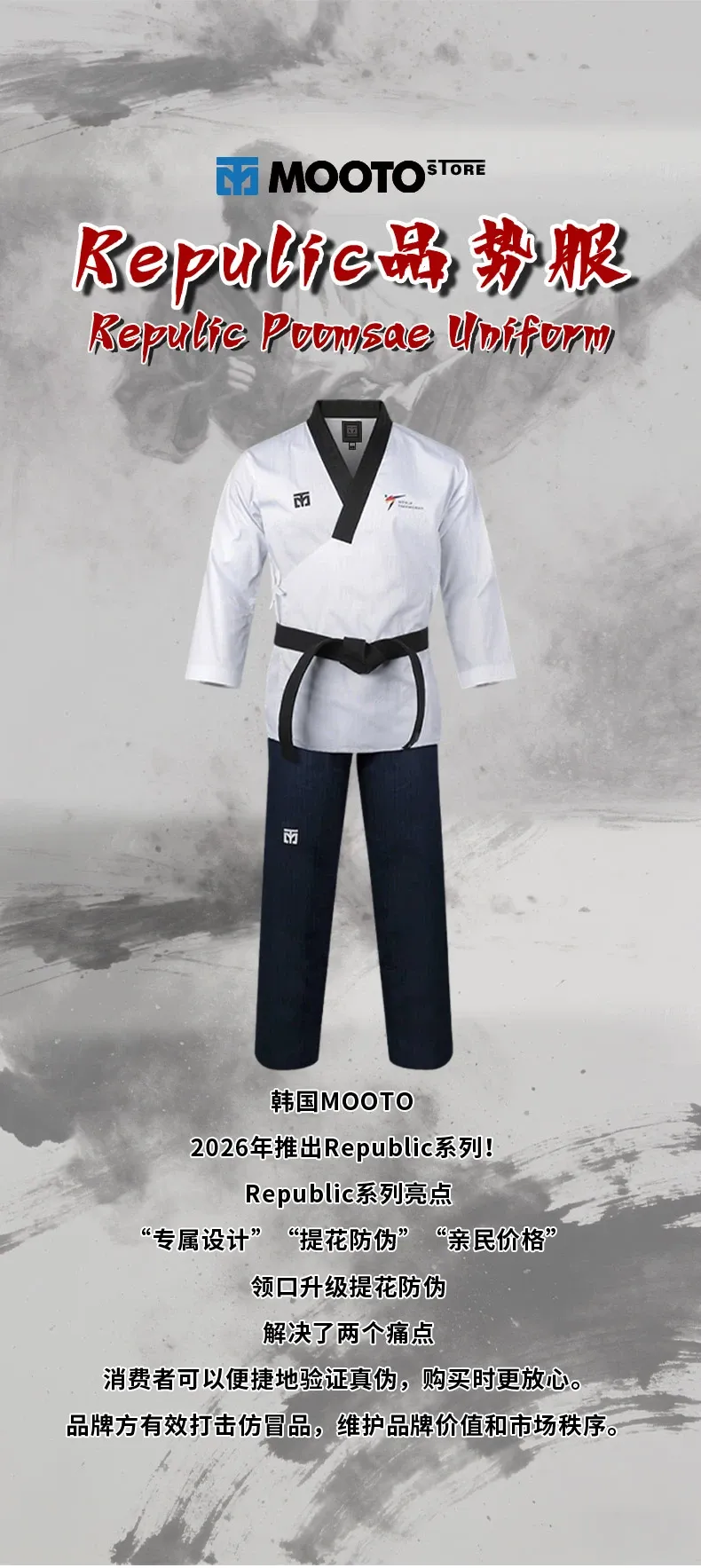
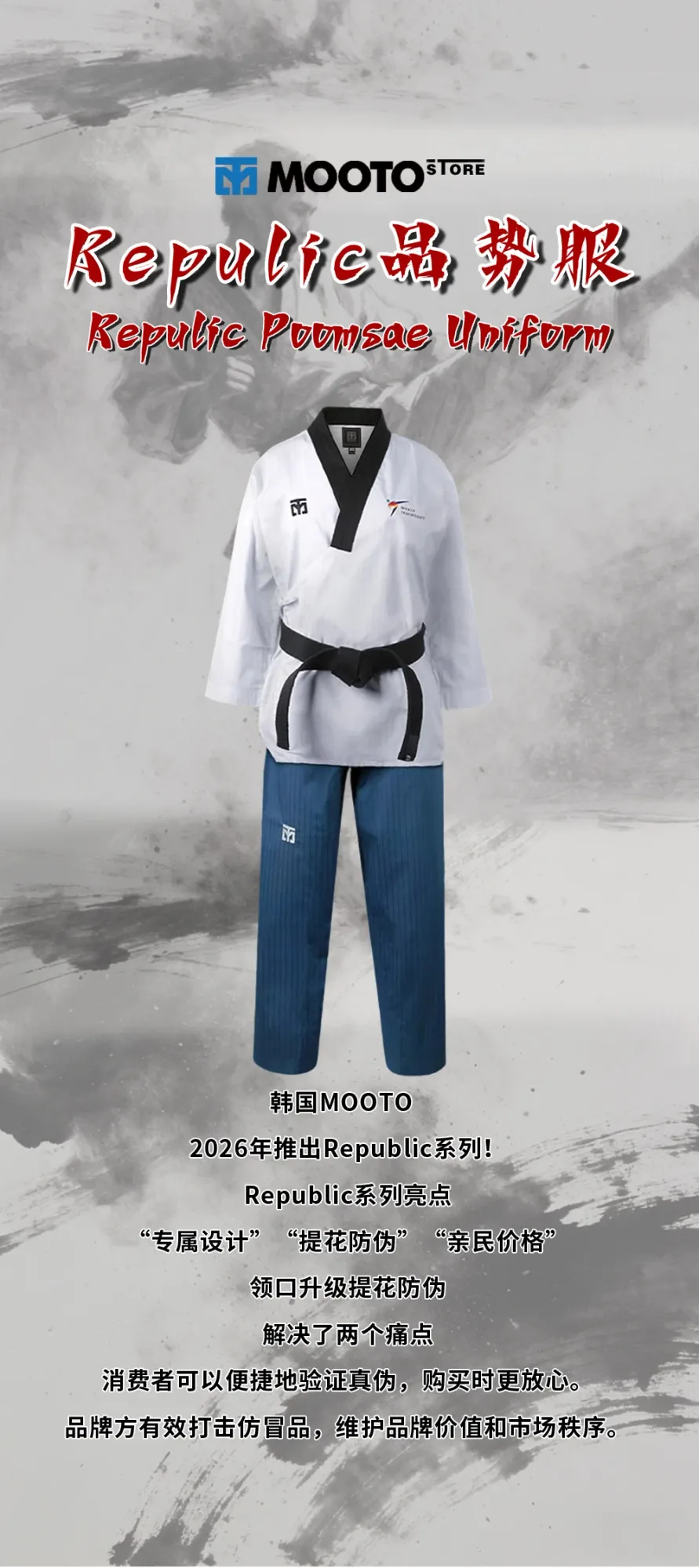
competition dobok product pagefacility customizer
What is next: three heavier divisions and the mixed team debut
Day four, 11 November, features the women's +63kg, men's -73kg and men's +73kg categories. According to World Taekwondo, the taekwondo competition then concludes on 12 November with the debut of mixed team events. For dojos that follow training systems and equipment planning, the mixed team format is worth watching closely: how divisions are paired, how the order of appearance is set and how substitutions are handled will all feed back into how training groups are organised day to day.
KEY TAKEAWAYS
- →Day three of taekwondo at the Dakar 2026 Youth Olympic Games (10 November) produced three golds: women's -55kg, women's -63kg and men's -63kg.
- →Senegal's Marie Sarr beat Tunisia's Yasmine Haouani 2-0 for the nation's first Olympic taekwondo gold, with the home celebration lasting over ten minutes.
- →Jordan's Abdallah Alzawahra beat Mexico's Guillermo Manuel Cortes Labastida 2-1; Germany's Luna Fellinger beat Iran's Asal Goltapeh 2-0.
- →Day four (11 November) covers women's +63kg, men's -73kg and men's +73kg; mixed team events debut on 12 November to close the competition.
FAQ
Q1.Which gold medals were decided on day three of taekwondo at Dakar 2026?+
Senegal's Marie Sarr won the women's -55kg, Jordan's Abdallah Alzawahra won the men's -63kg and Germany's Luna Fellinger won the women's -63kg.
Q2.Why is Senegal's gold described as a historic breakthrough?+
World Taekwondo describes it as Senegal's first-ever Olympic taekwondo gold medal. Sarr took part in World Taekwondo Olympic Solidarity camps in Senegal in 2024, 2025 and 2026.
Q3.What remains on the taekwondo schedule?+
Day four on 11 November covers the women's +63kg, men's -73kg and men's +73kg; mixed team events debut on 12 November and close the taekwondo competition.