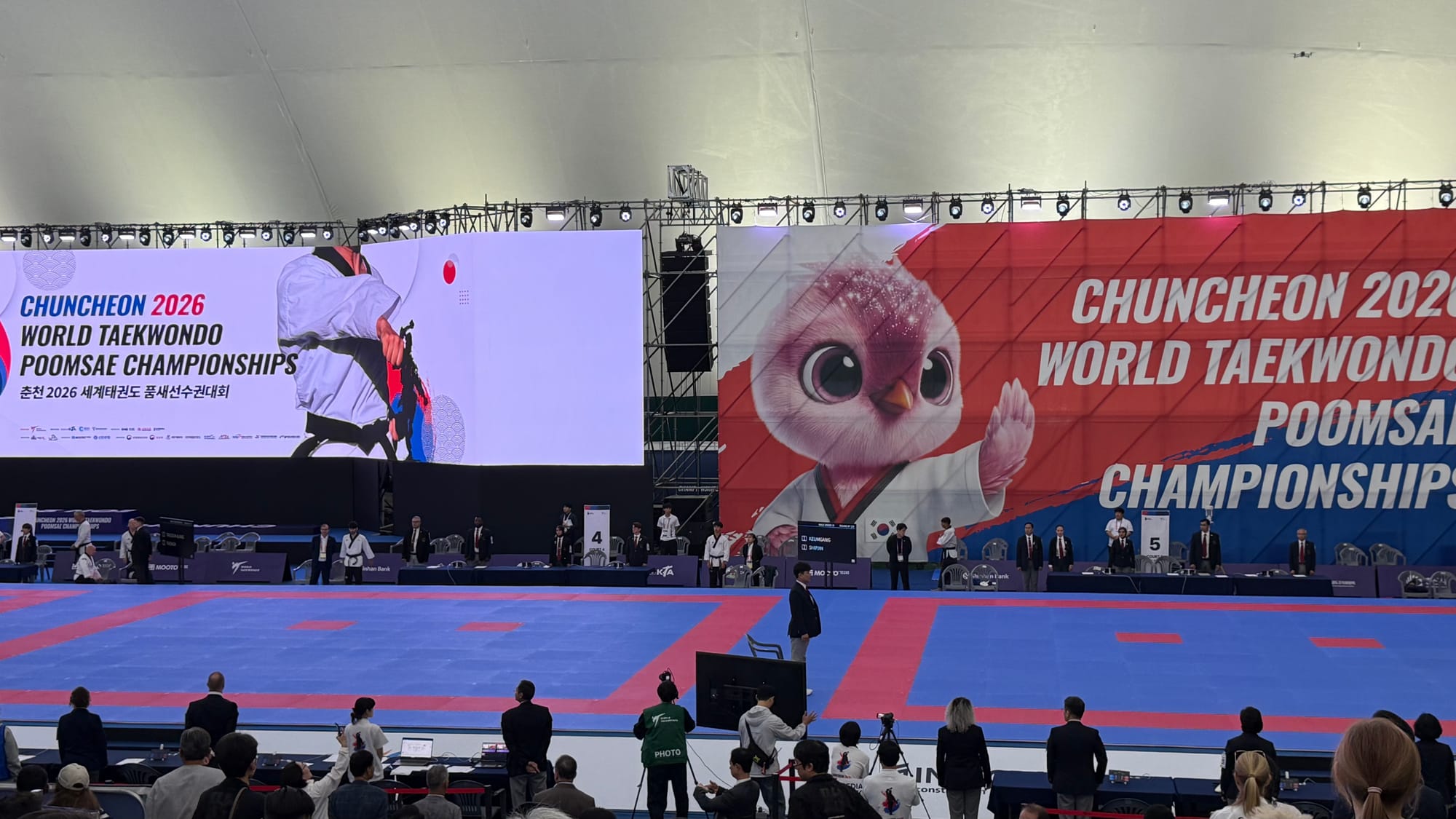
From 8 to 12 November 2026 taekwondo takes the stage at the Dakar 2026 Youth Olympic Games in Senegal - the first Olympic event ever staged on the African continent. For dojangs, coaches and buyers who follow the junior pathway, it is both a schedule and a look at where next-generation competition gear is heading.
Dakar 2026: the first Olympic event in Africa
According to World Taekwondo's official release of 4 November 2026, the taekwondo competition will be held at the Complexe Iba Diop (CID) in Dakar from 8 to 12 November - the first Olympic event ever staged on the African continent.
By medal count taekwondo is the third-largest sport at these Games, after athletics and swimming, and it has featured at every Youth Olympic Games since the inaugural edition in Singapore in 2010.
Key facts: 8-12 November 2026 at Complexe Iba Diop, Dakar; 10 individual weight categories under best-of-three rounds; the Mixed Team event becomes an Olympic medal event on 12 November.
Format: ten categories, best-of-three rounds
Individual competition runs from 8 to 11 November across ten categories: women's -44kg, -49kg, -55kg, -63kg and +63kg; men's -48kg, -55kg, -63kg, -73kg and +73kg. Every match is contested under the best-of-three-rounds system, which narrows the margin for error and forces tactical adjustment inside the match rather than a single explosive round.
The Mixed Team competition follows on 12 November with 28 athletes from seven countries: Germany, Jordan, Saudi Arabia, Mexico, Senegal, Tunisia and Turkiye. Having featured only as a showcase at Tokyo 2020 and Paris 2024, it becomes an Olympic medal event for the first time - which puts team selection and pairing logic into the Olympic preparation cycle.
The field: 99 athletes from 65 countries
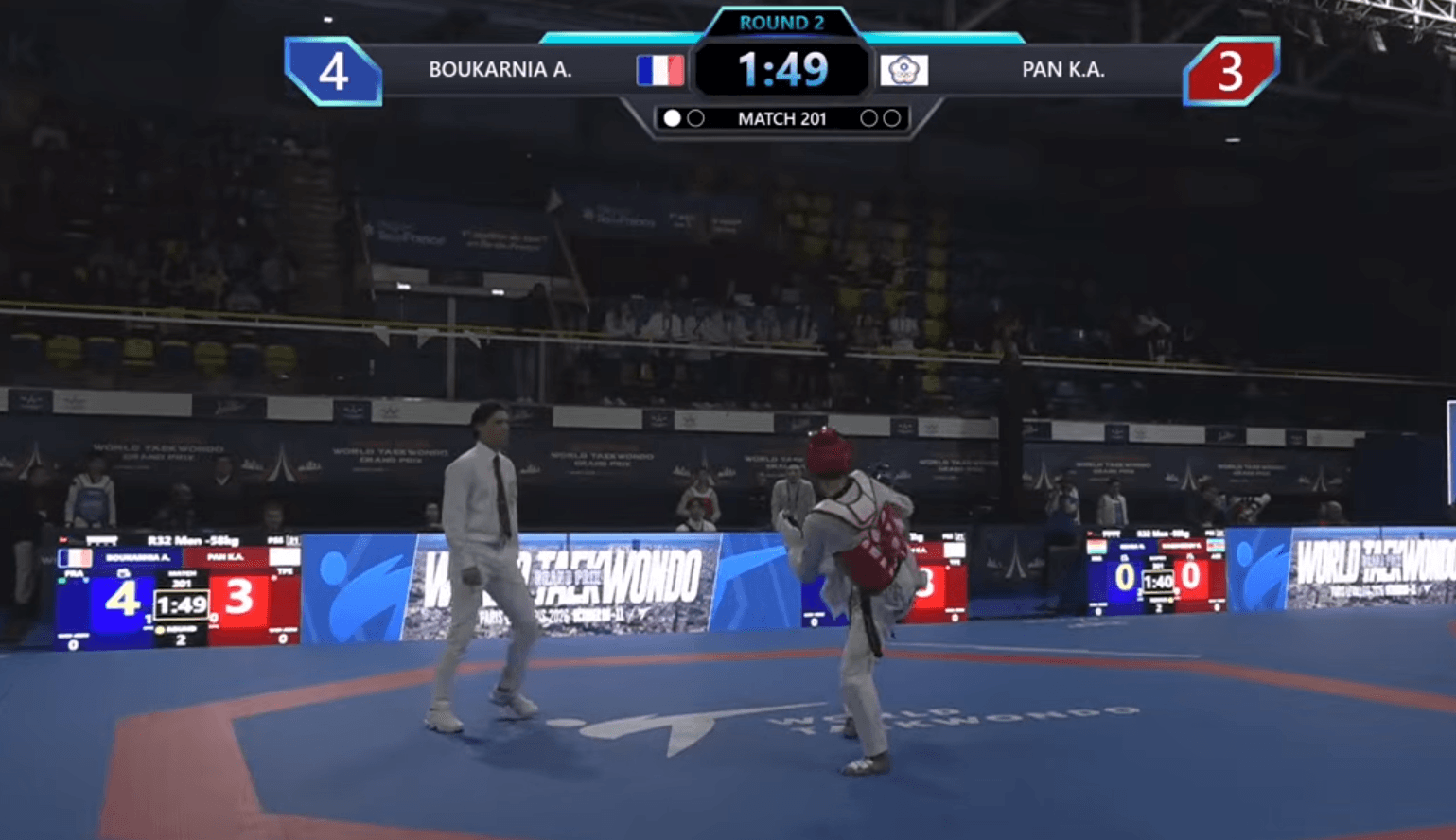
Some 99 athletes (49 male, 50 female) from 65 countries plus the Refugee Olympic Team are expected to compete. It is the first Refugee Olympic Team at a Youth Olympic Games - six athletes in total - with taekwondo represented by Lourance Numukiza in the women's -49kg.
Five gold medallists from the Tashkent 2026 World Taekwondo Junior Championships are on the start list: Benyamin Soltanian (IRI, M +73kg), Siwoo Lee (KOR, W -49kg), Asadbek Samandarov (UZB, M -55kg), Guillermo Manuel Cortes Labastida (MEX, M -63kg) and Bashir Adzhiev (RUS, M +73kg). Cortes Labastida and Adzhiev also won gold at the Sarajevo 2023 World Cadet Championships, as did Croatia's Petra Uglesic and Italy's Virginia Lampis (W -44kg).
Off the mat, Cote d'Ivoire's Ruth Gbagbi has been selected as an Athlete Role Model for Dakar 2026; 31 role models were initially chosen to mentor young athletes on site. World Taekwondo has already held Olympic Solidarity camps in Dakar in 2024 and 2025, working with young athletes in the host city.
From the Youth Olympics to the Olympic podium
The value of the Youth Olympic Games is best measured by what happens next. Jade Jones (GBR) won gold in Singapore 2010 before taking Olympic gold at London 2012 and Rio 2016. Zaid Kareem (JOR), a bronze medallist in Buenos Aires 2018, took Olympic silver at Paris 2024. Mohamed Khalil Jendoubi (TUN), also bronze in Buenos Aires, went on to Olympic silver at Tokyo 2020 and bronze at Paris 2024. Seif Eissa (EGY), bronze in Nanjing 2014, later took Olympic bronze at Tokyo 2020.
In other words, the 99 athletes in Dakar may well include medallists for Los Angeles 2028 - useful context for dojangs building a junior pathway, and a reference point for buyers planning youth-category gear. The reports from the Paris Grand Prix and the Nagoya Asian Games point the same way: medals increasingly cluster around athletes from systematic junior programmes.
Gear perspective: three things that matter in junior competition
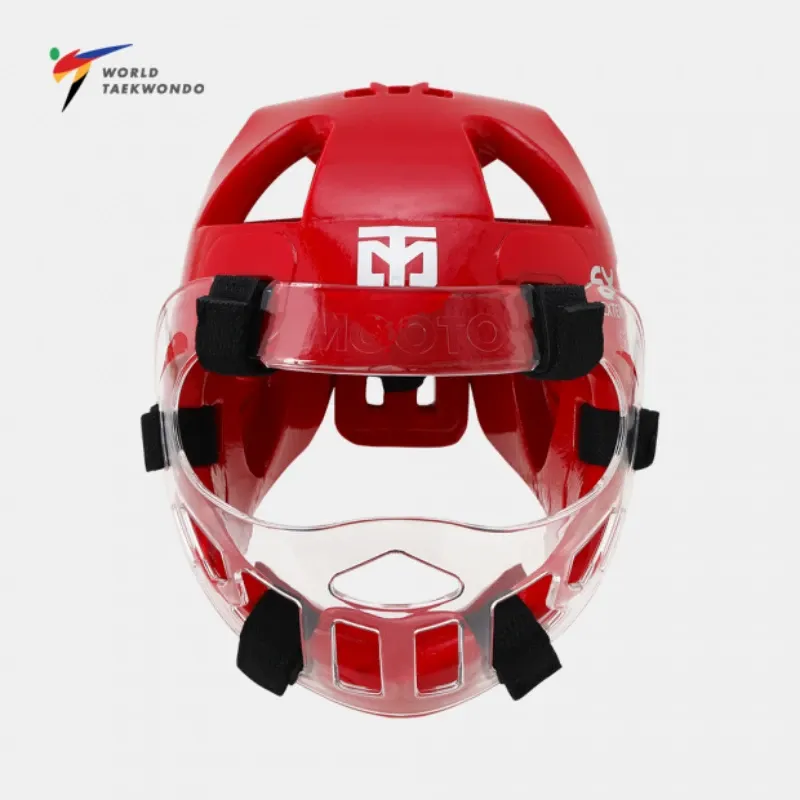
First, fit. Junior athletes vary widely in build, so a complete size ladder in headgear, chest guards, hand and shin protectors decides whether a young athlete can keep full range of motion while staying compliant. Second, electronic scoring: World Taekwondo events apply technical requirements to protectors and electronic scoring equipment, and every item has to be checked against the event notice before competition - an out-of-spec item means replacement before stepping on the mat.
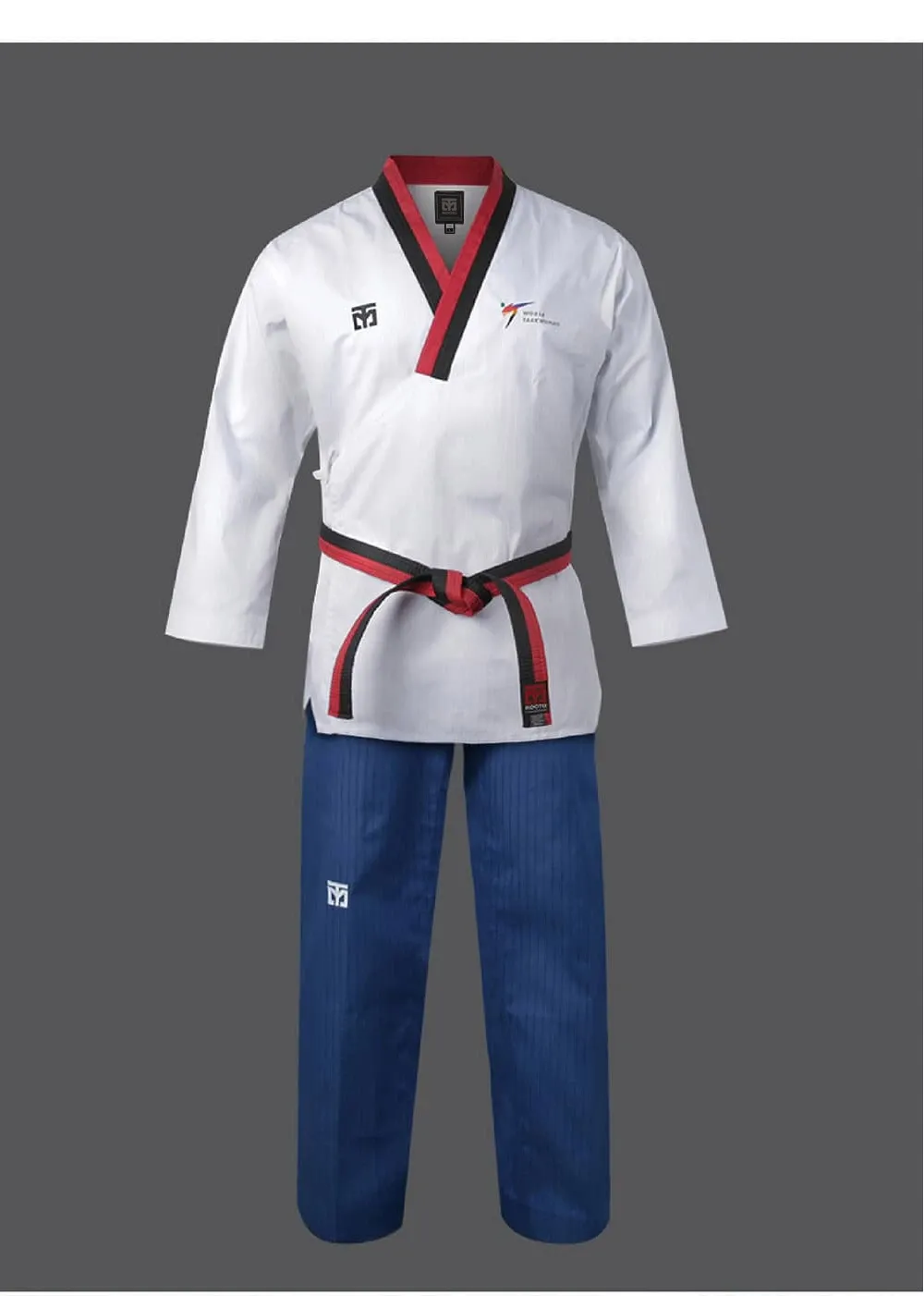
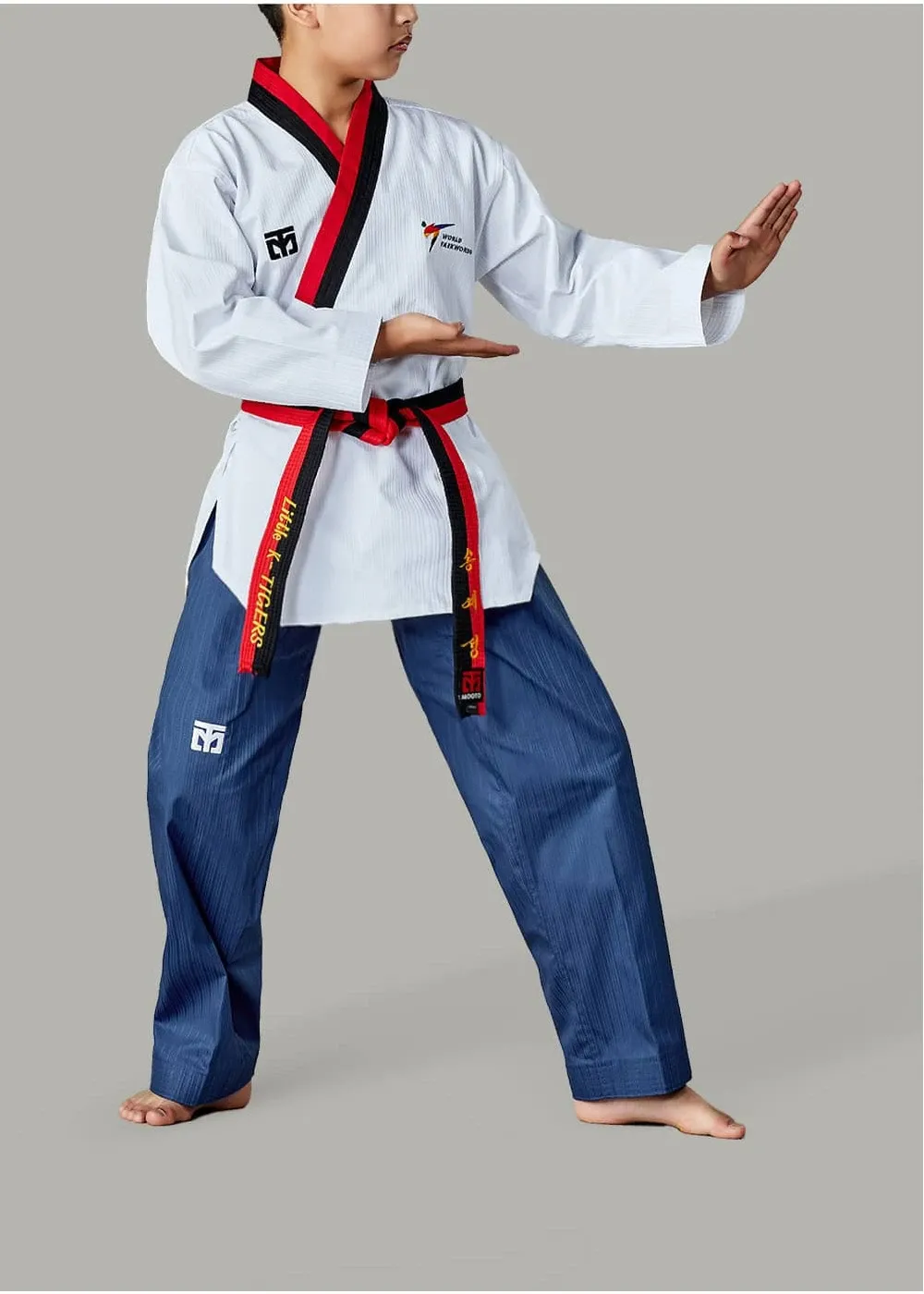
Third, the uniform itself. With best-of-three rounds a match lasts longer, so breathability, tensile strength and shape retention are tested repeatedly; team events add colour and marking consistency. For dojangs and dealers, the junior expansion means training-gear refresh cycles now follow the competition calendar - part of why MOOTO has stayed inside the World Taekwondo ecosystem since 1984. For the pre-event checklist, see our electronic protector configuration guide.
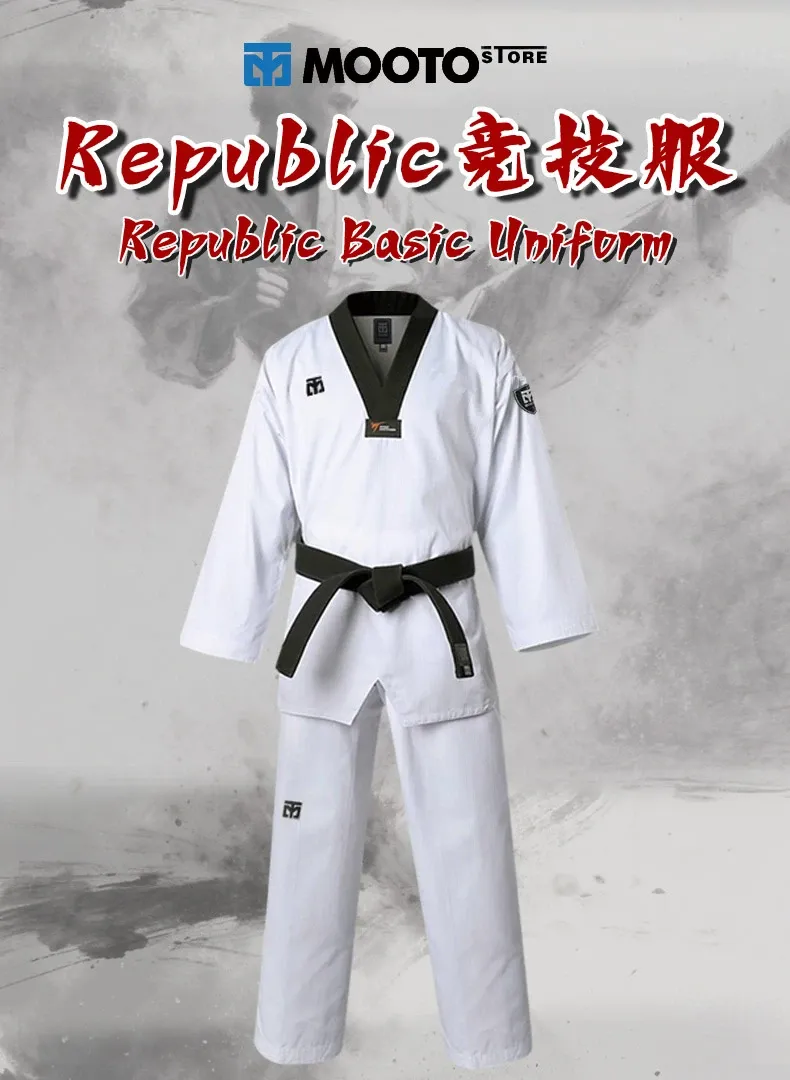
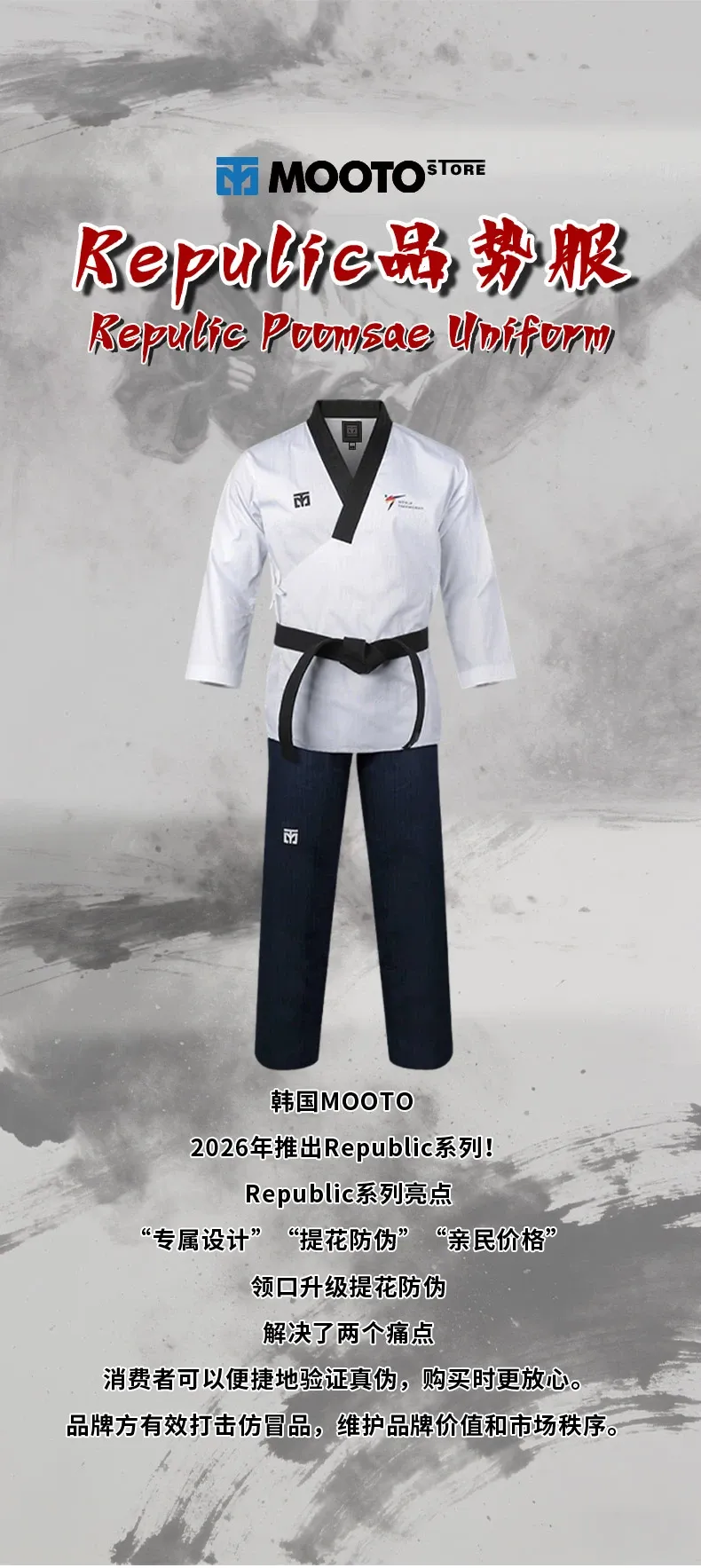
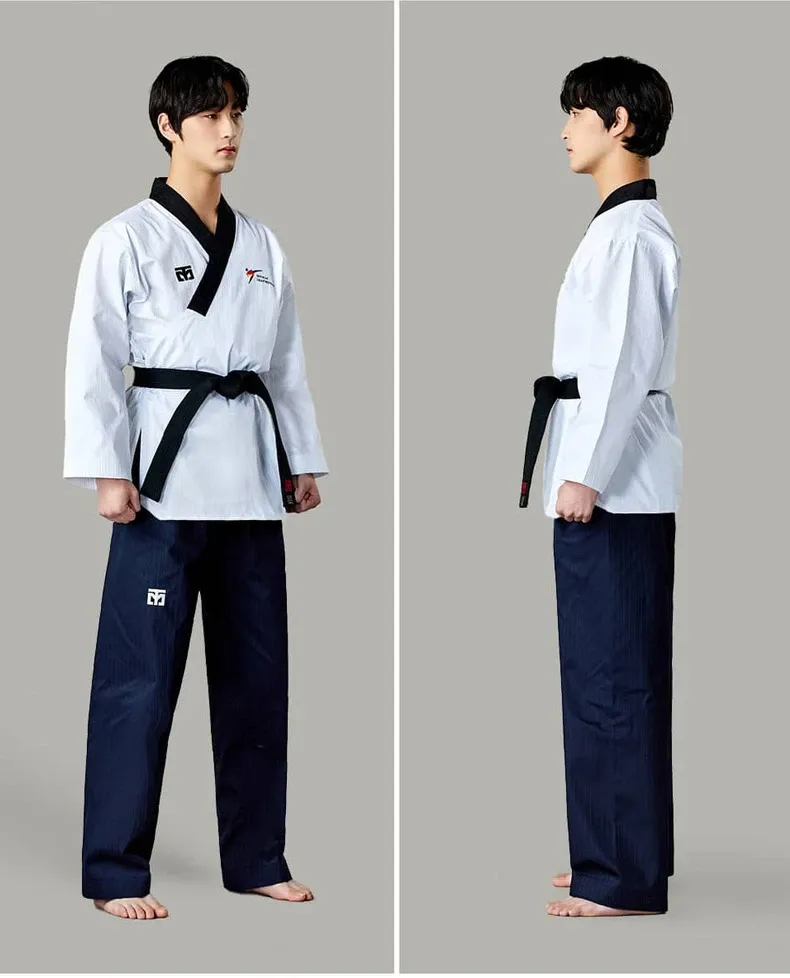
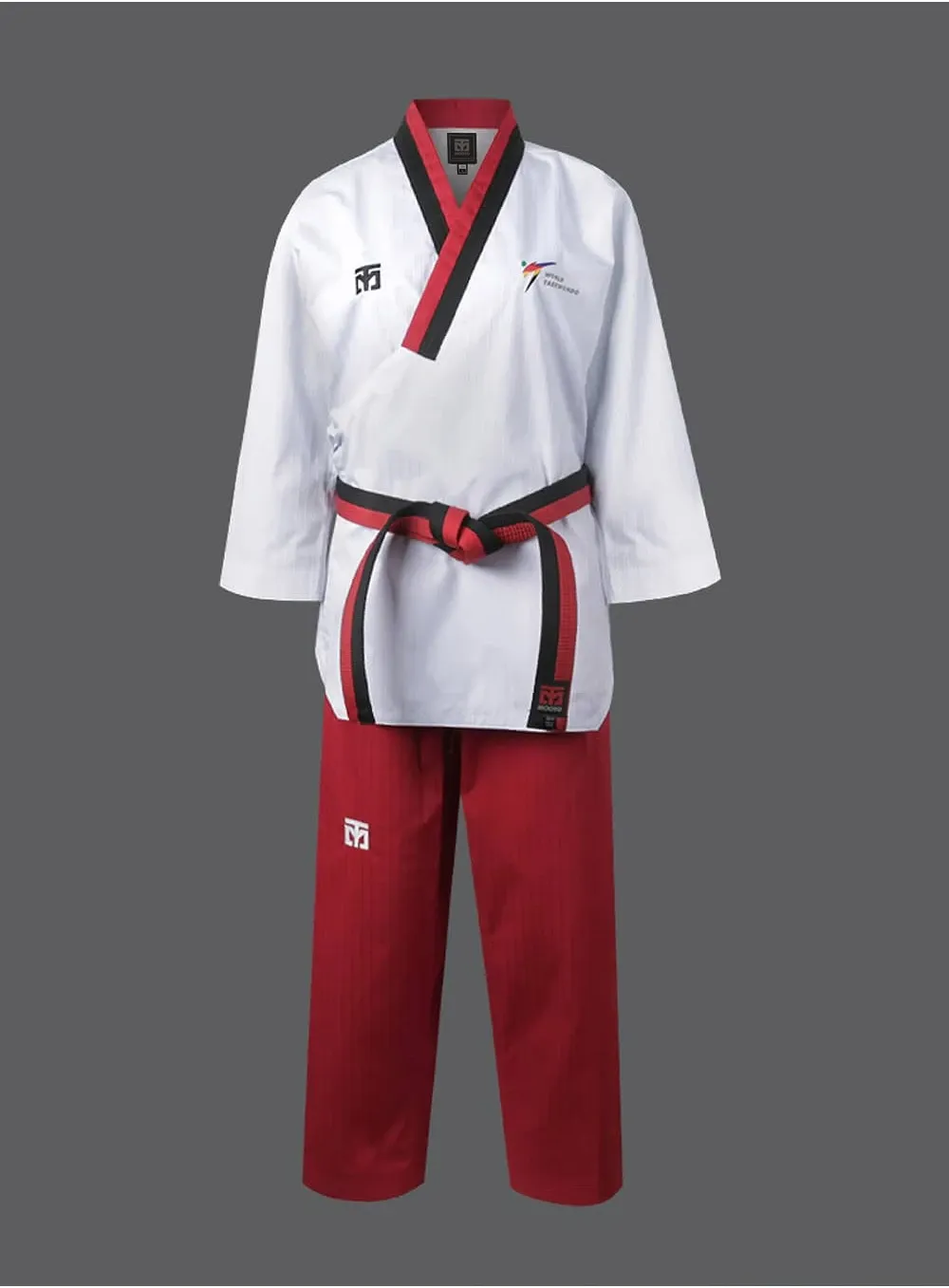
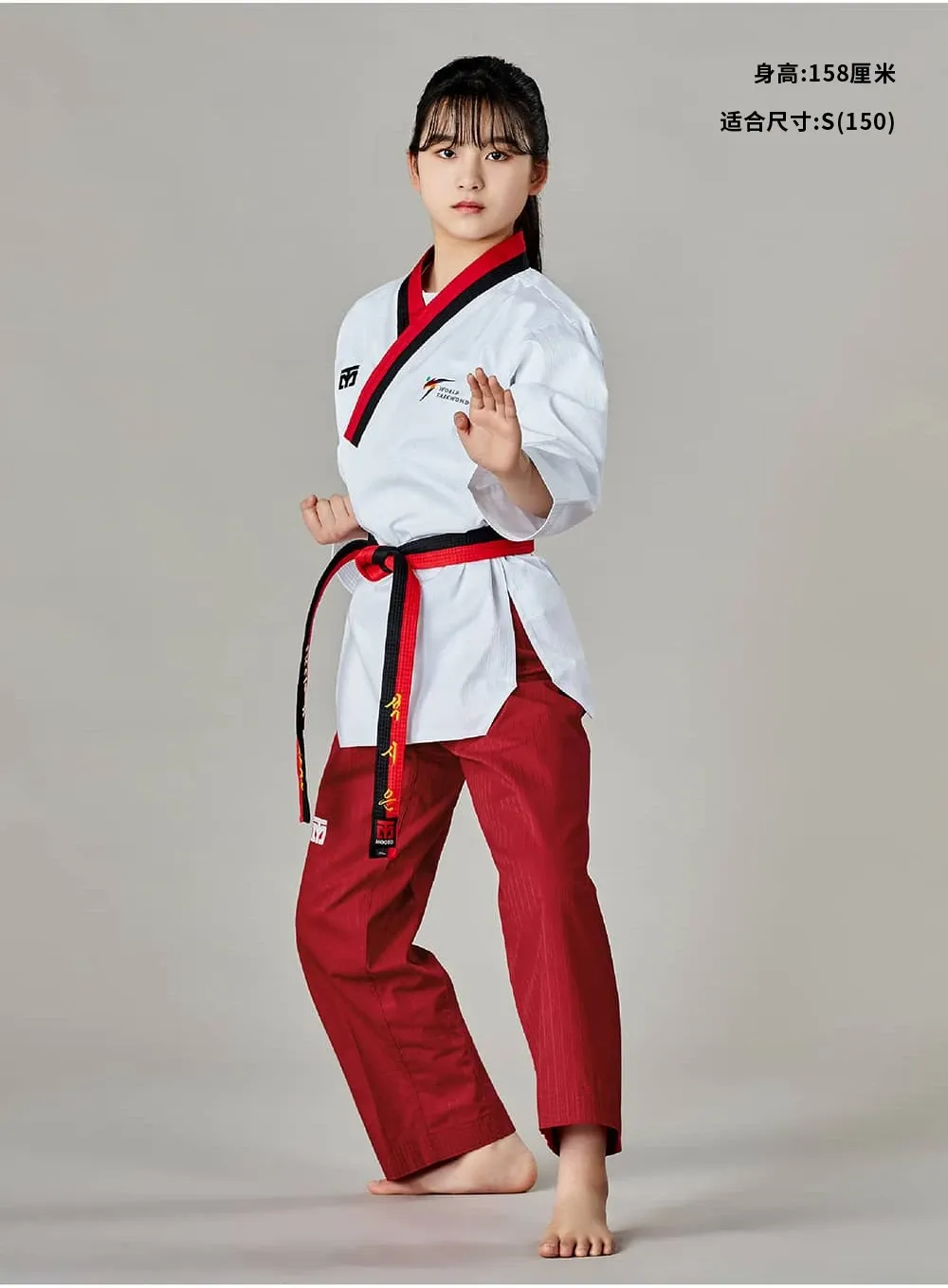
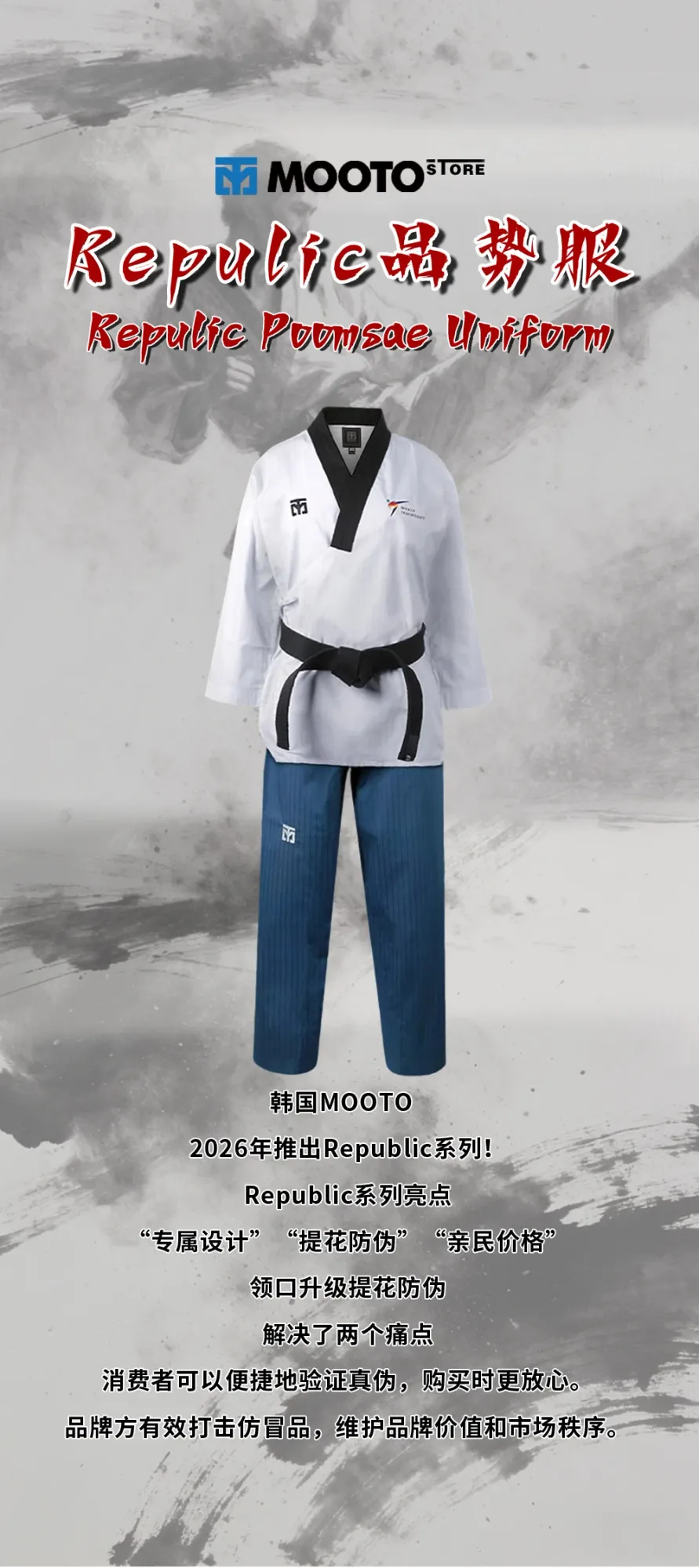
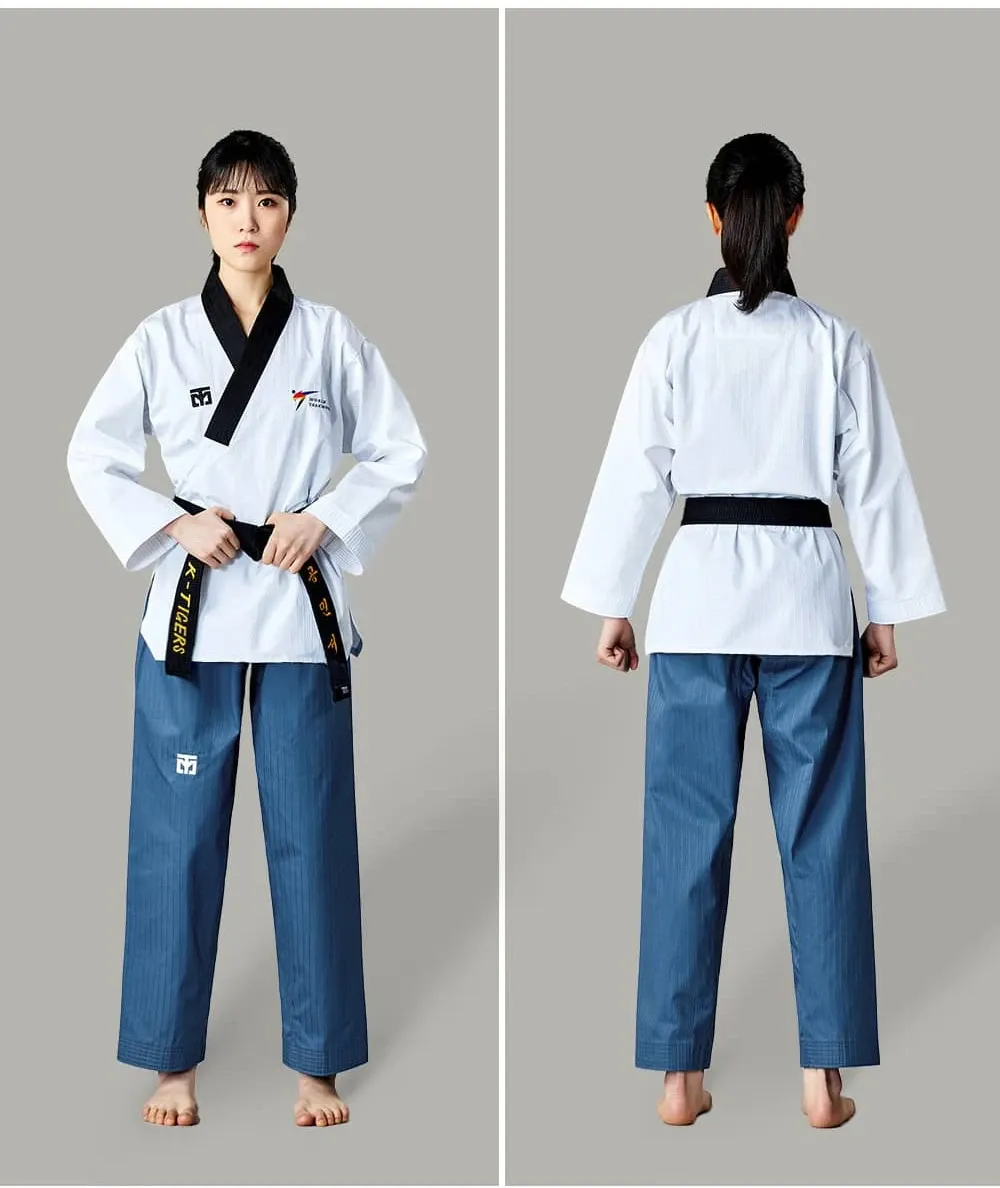
(CQ)Republic Basic Uniform/without Belt
MOOTO 全新力作 ——Republic 竞技道服,中国官网正式上新。独创领口暗纹防伪工艺,将品牌专属图腾与武道印记低调隐匿于领部肌理。不张扬、不浮夸,正如武者内敛谦逊的本心。于方寸之间,承载礼仪、廉耻、忍耐、克己、百折不屈的武道精神;于赛场之上,助力武者突破极限,尽显王者风范。
Dojangs equipping a junior squad or competition team can review specifications on the product page, or send a bulk configuration enquiry to MOOTO directly. More event and rules coverage is available in the tournament news section.
KEY TAKEAWAYS
- →Dakar 2026 taekwondo runs 8-12 November at Complexe Iba Diop - the first Olympic event staged on the African continent.
- →Ten individual categories (8-11 November) under best-of-three rounds; the Mixed Team event debuts as an Olympic medal event on 12 November.
- →99 athletes from 65 countries plus the first Refugee Olympic Team at a Youth Olympic Games.
- →Five Tashkent 2026 junior world champions headline a field built for the Los Angeles 2028 cycle.
FAQ
Q1.Where and when is the Dakar 2026 taekwondo competition?+
At the Complexe Iba Diop (CID) in Dakar, Senegal, from 8 to 12 November 2026 - five competition days.
Q2.Why does the Mixed Team event matter?+
It was only a showcase at Tokyo 2020 and Paris 2024; Dakar 2026 is the first time it is contested as an Olympic medal event, with 28 athletes from seven countries on 12 November.
Q3.How many athletes compete and in which categories?+
99 athletes (49 male, 50 female) from 65 countries plus the Refugee Olympic Team. Individual categories: women -44/-49/-55/-63/+63kg and men -48/-55/-63/-73/+73kg.