Kids classes are the cash-flow base of most dojangs: large student numbers, stable class hours and parents willing to pay. They are also the fastest classes to lose. Enrollment depends on the trial experience, retention depends on visible progress and reputation depends on communication, and each of the three runs on its own rhythm. This guide sets out an operating framework a dojang can follow directly, plus a class-level gear plan for owners and distributors.
Three moves for kids classes: turn the trial lesson into a product, move renewal reminders to progress milestones, and make parent communication a fixed routine.
1. Enrollment: design the trial lesson as a product
The most common enrollment mistake is treating the trial class as one free session. In that hour parents are not really judging whether the child likes it. They are judging three things: whether the room is orderly, whether the coach can see every child, and whether the child leaves with something to show. A trial lesson therefore needs a clear opening, body and closing, rather than a shortened regular class.
A four-part trial lesson
Part one, warm-up and rules, about eight minutes: lines, commands and bows establish order that parents can feel from the viewing area. Part two, basics, about fifteen minutes: teach only one or two moves a layperson can read, such as the front kick and horse-stance punch. Part three, target work, about twelve minutes: hand and leg targets give immediate feedback and a sense of achievement. Part four, closing, about five minutes: gather, show what was learned, hand out a trial record card and turn coming back into a concrete appointment.
Split by age: 4-6 and 7-12 need different lesson plans
Ages 4-6 focus on movement initiation, balance and following instructions; effective training time is short and needs frequent switches and game framing. Ages 7-12 can enter poomsae and competition basics with longer attention spans and more tolerance for contact. Mixed-age classes look like they save a coach, but in practice neither end gets the right intensity, and dropouts usually appear between weeks four and eight. Explain class types at enrollment with a written table rather than verbal promises.

2. Renewal: move the reminder to visible progress
Waiting until class credits nearly run out hands the decision to a parent's reflex. A steadier approach builds renewal into the training timeline: at every stage parents can see what the child has completed, and renewal becomes a natural step. That is the difference between renewal management and simple payment chasing.
Three renewal anchors
The first anchor is belt promotion. Belt rank is the clearest progress scale, so tell parents the next grading window and test content at enrollment. The second anchor is gear replacement. Children grow, and dobok fit is the signal parents notice most easily: sleeves too short or trousers too brief means a size change, which is a natural conversation. The third anchor is a stage showcase every eight to ten weeks, with something filmable such as a complete poomsae, a target sequence or a sparring clip parents can share.
"Renewal is not a sales move. It is making a child's progress visible. Parents who cannot see progress can only judge on price."
3. Parent communication: fixed touchpoints beat frequent chat
The problem with parent communication is rarely too little of it; it is the lack of rhythm. Scattered conversations turn coaches into reactive responders and tend to erupt all at once when something goes wrong. Fix three touchpoints and let each solve exactly one thing.
Three fixed touchpoints
An intake interview of about twenty minutes: confirm the child's athletic background and injury history, the parents' expectations and available class hours, and explain class rules, leave and make-up policy once. A monthly progress card: three to five lines plus one or two class photos covering this month's content and next month's goal, rather than another notice. Milestone talks two weeks before grading, competition or a gear change, which puts money conversations into a preparation context.
4. The kids gear pack: configure by class, not per person
Kids gear has three traits: a wide size span, wear concentrated in protectors and targets, and restocking more often than adult classes. Configure once by class type and replenish quarterly; it is more controllable than ad-hoc orders and fits a dojang's bulk purchasing process. A complete list usually covers four groups: uniforms, protectors, targets and floor mats.
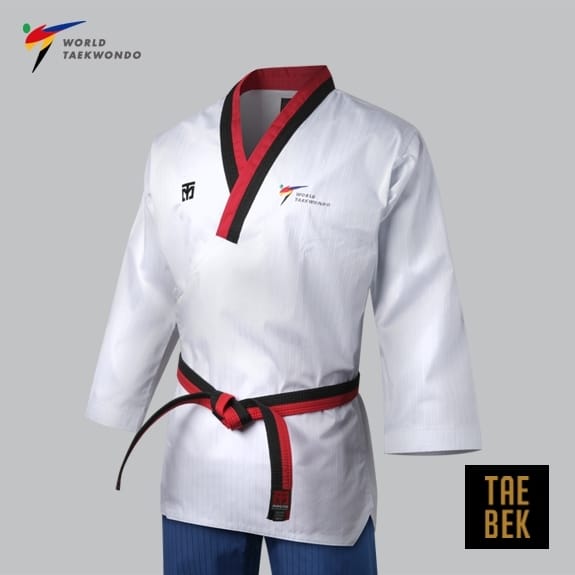
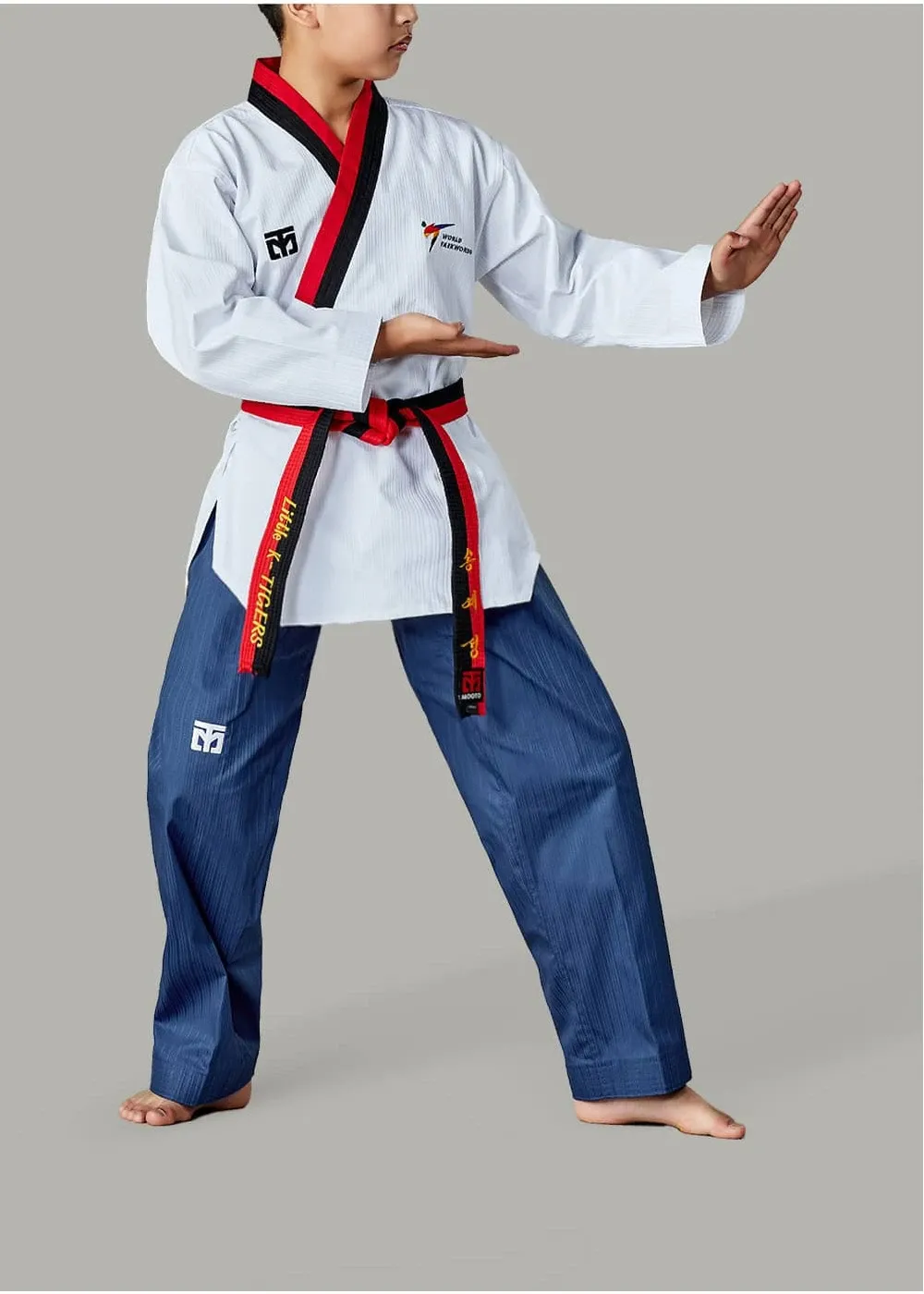
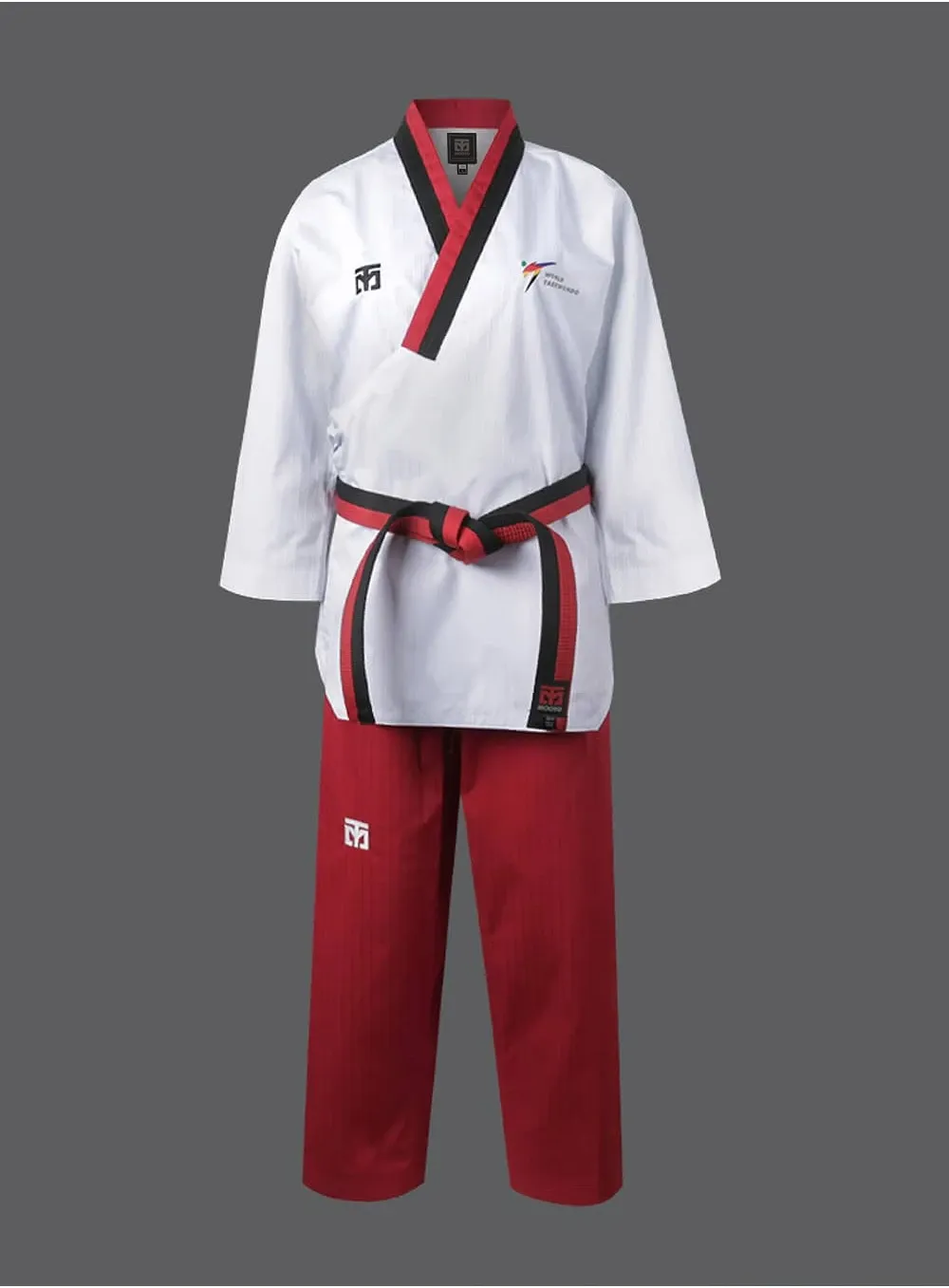
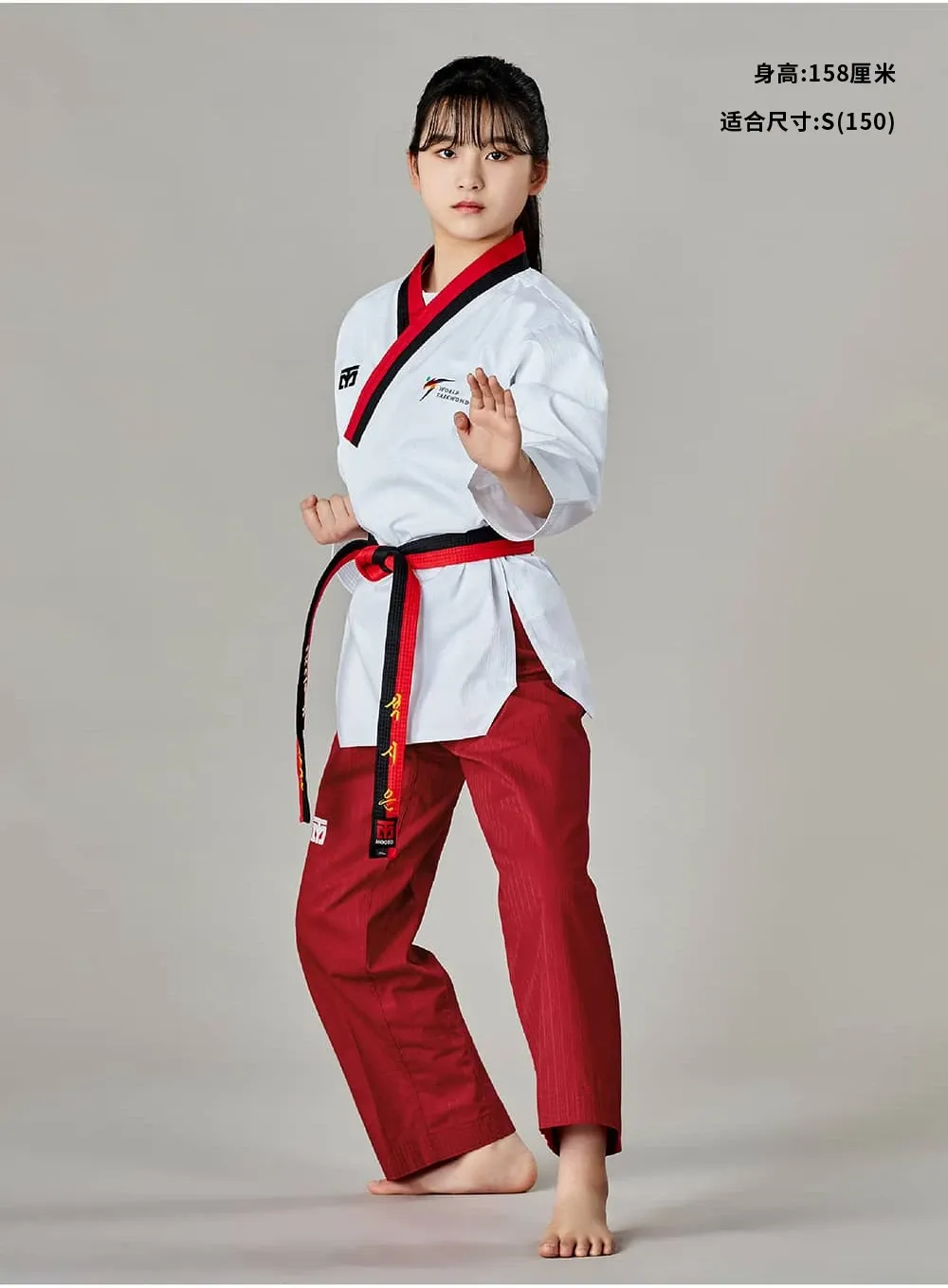
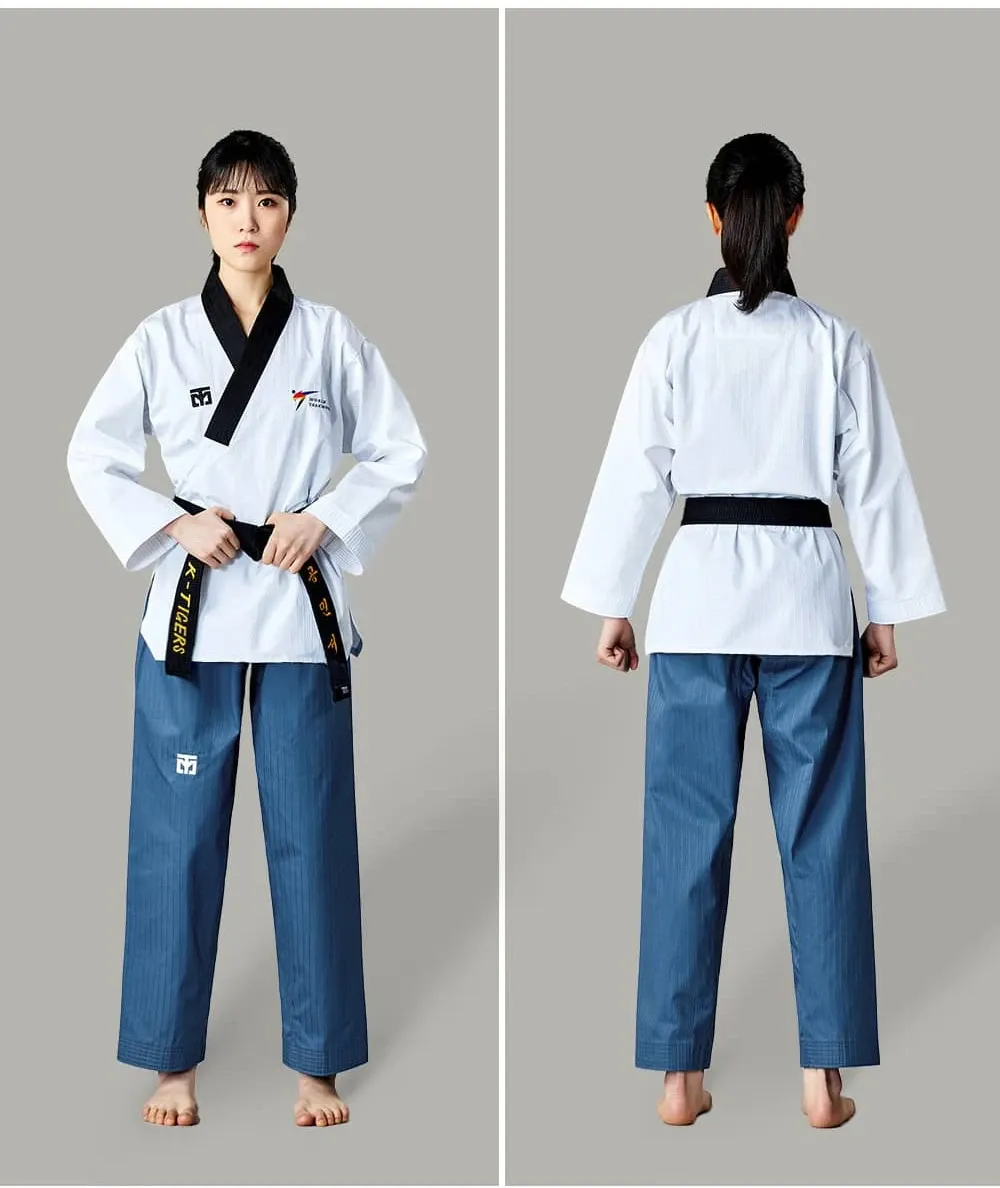
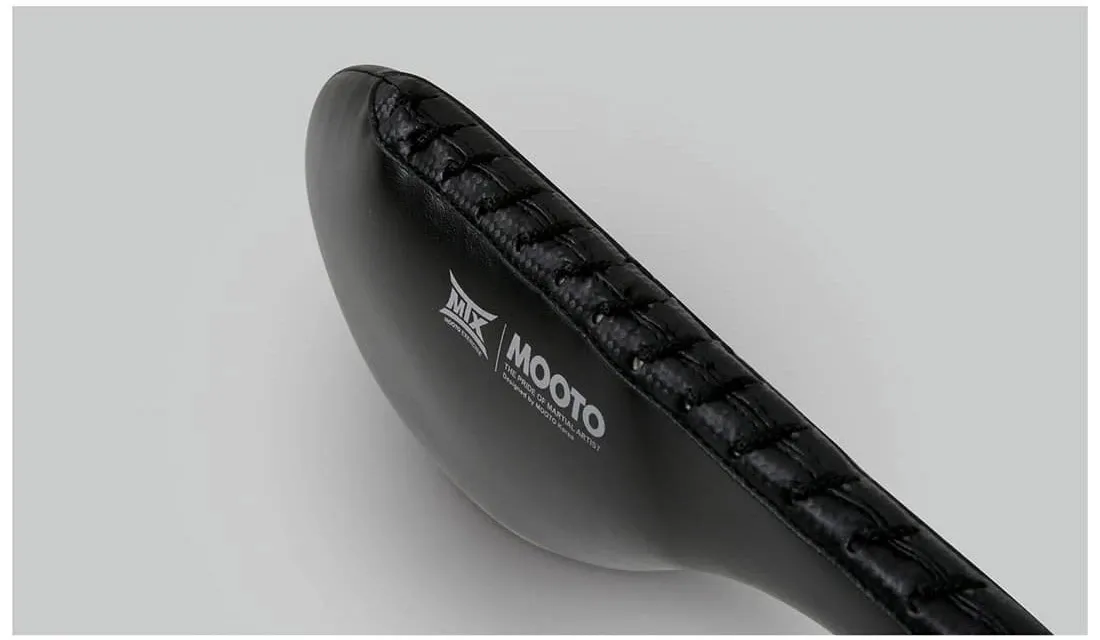
For uniforms, stock about 1.2 times the class headcount, centred on the median size and extended one size each way; separate poomsae and competition cuts and collars so they are not mixed. For protectors, hand, shin, head and chest guards are size-based gear and work best in a shared-plus-personal split: head and chest guards can be shared and stocked by size, while mouthguards and hand protectors are better bought personally. For targets, kids classes rely on hand and leg targets, budget one pair per six to eight students so feeding never stalls.
class equipment checklist and the mat maintenance guide for the detailed configuration.
5. Safety and compliance: three non-negotiables
First, check protector integrity before every class: buckles, straps and liners, and retire anything damaged. Second, inspect the mat surface: seams, lifted edges and wear directly affect stopping and turning, so inspect on a schedule and keep records. Third, inform parents in writing at enrollment about training intensity, contact rules and the incident procedure. None of the three generates revenue, but all three decide whether a dojang can operate for years.
FAQ
Q1.What age should a kids taekwondo class start at?+
Most dojangs open an introductory group from age four, focused on movement initiation, balance and following instructions. The right starting point depends on attention span and willingness to follow direction, so judge it at the trial lesson.
Q2.How many targets should one kids class have?+
Budget one pair of hand or leg targets per six to eight students so feeding and rotation never stall, and scale up with class size instead of cutting repetitions.
Q3.How often do children need a new dobok size?+
Judge by fit: sleeves clearly short of the wrist, trousers short of the ankle, or shoulder pull that restricts arm raises. During growth spurts, stock two adjacent sizes to avoid emergency reorders.
Q4.What do parents care about most?+
Progress and safety. Regular progress feedback plus a clear incident procedure builds more trust than frequent small talk.
KEY TAKEAWAYS
- →Run the trial lesson in four parts: warm-up, basics, targets, closing showcase.
- →Split 4-6 and 7-12 year olds so both ends get the right intensity.
- →Anchor renewal to belt promotion, gear replacement and a stage showcase, not remaining credits.
- →Fix parent communication to three touchpoints, one topic each.
- →Buy kids gear by class: 1.2x uniform stock and one target pair per six to eight students.
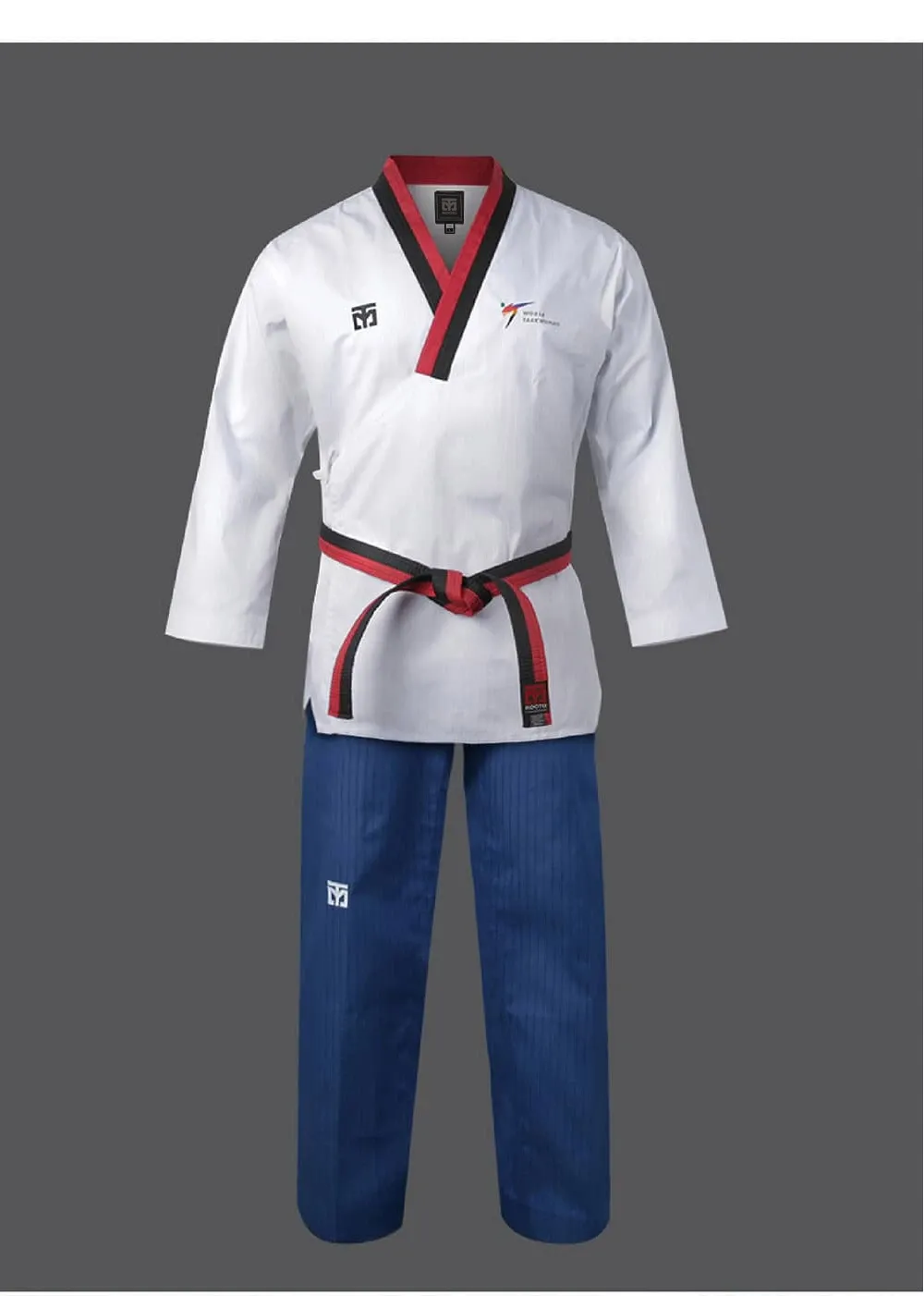
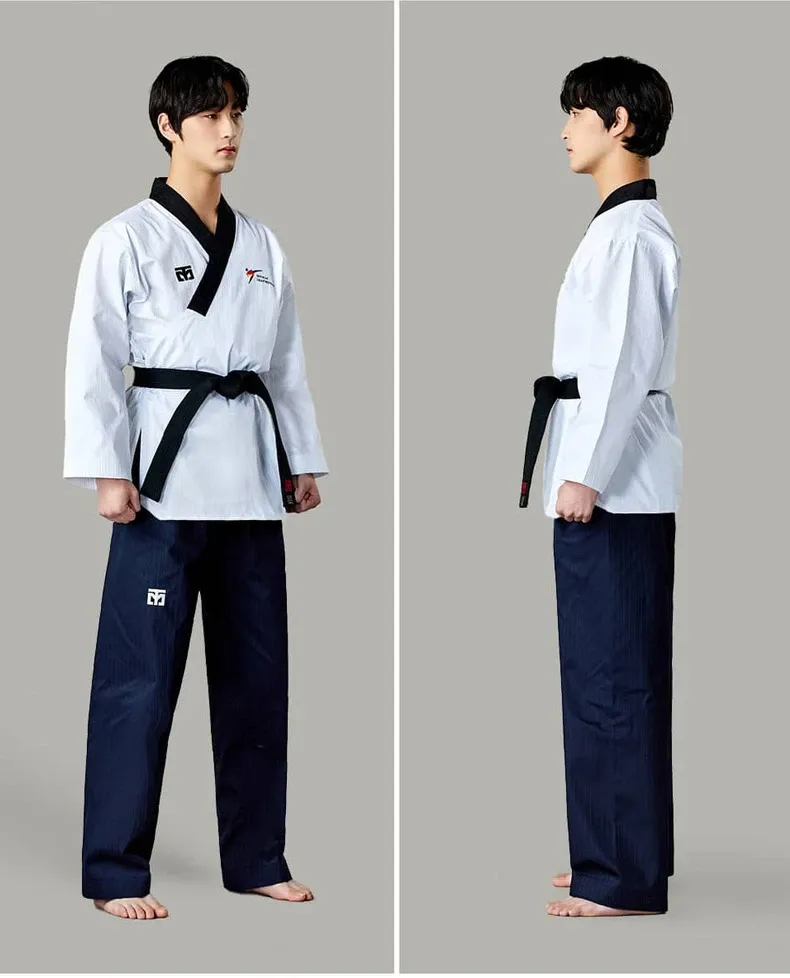
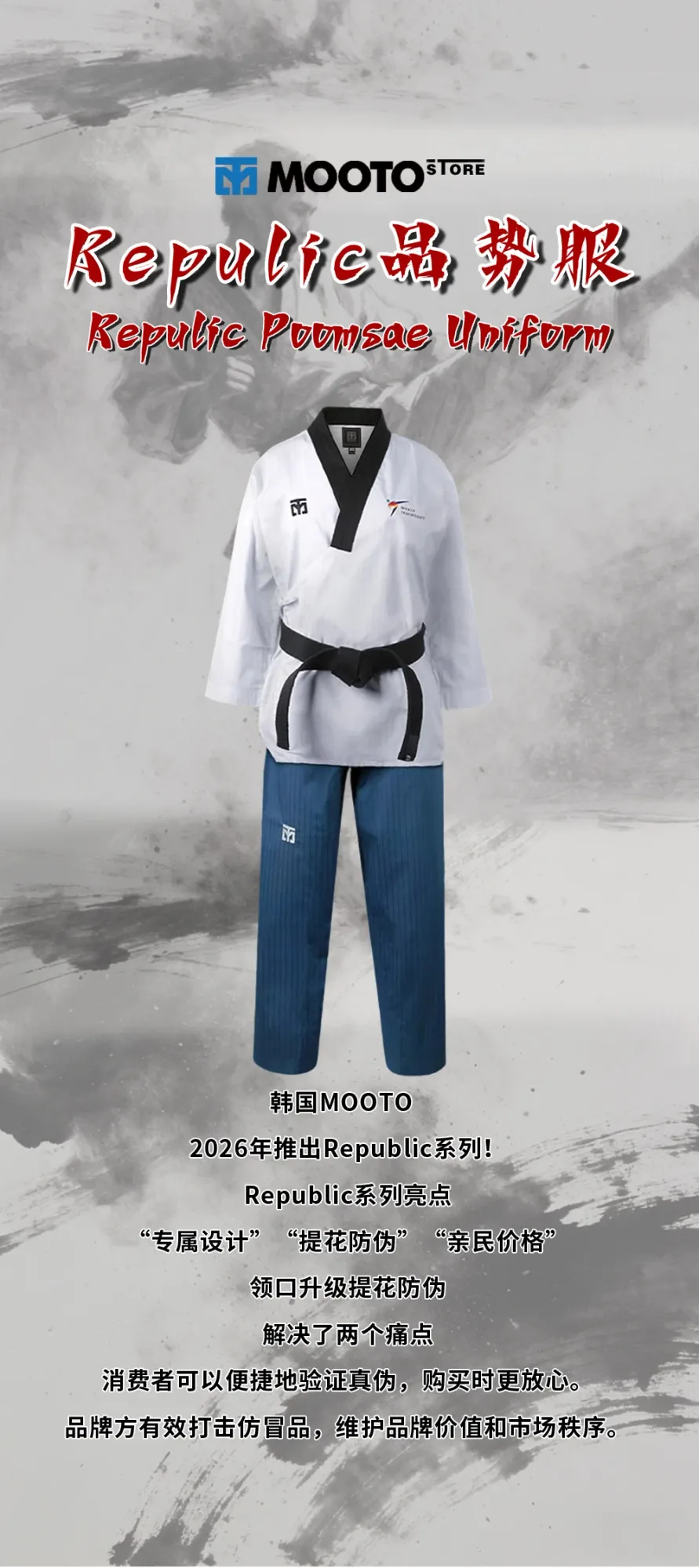
(CQ)Repulic Poomsae Uniform_Poom Male
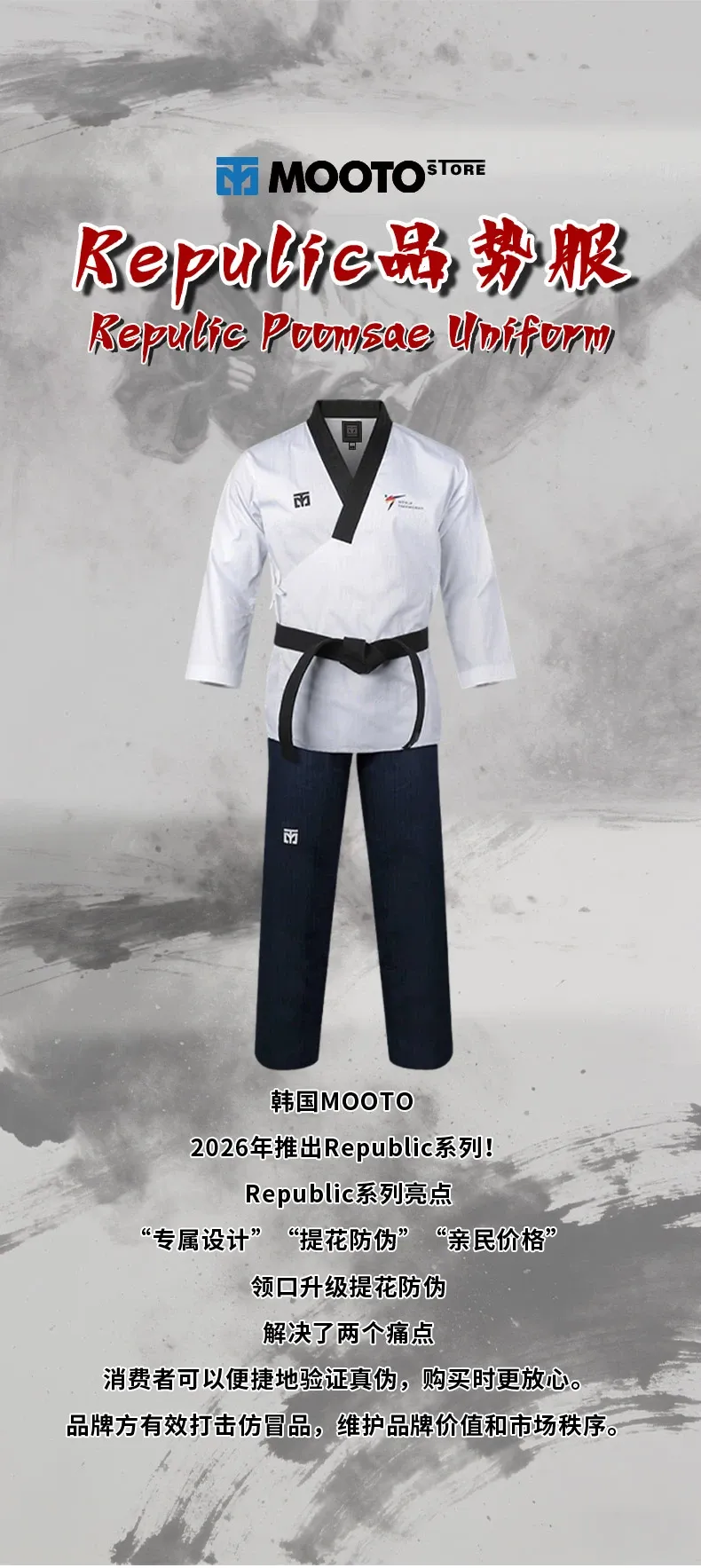
专属Republic 暗纹防伪标识,隐藏于领口,低调精致、肉眼可辨,不影响外观美感,却能精准区分正品与仿品,保障每一位购买者的正品权益,彰显 MOOTO 专业装备的专属身份,放心入手无顾虑。
MOOTO Facility Division through the website. We support measurement, design and bulk supply, and can issue zoning and facility customization proposals based on an existing dojang for purchasing and distributor quotations. More dojo operations content is in the dojo business category.