At a certain stage in taekwondo, the bottleneck stops being the technique itself and becomes physical capacity: kick speed plateaus, the back half of a long combination starts to float, and high-section kicks feel blocked at the hip. More repetitions alone rarely fix this. What is needed is conditioning built around how taekwondo actually produces force. This guide splits taekwondo conditioning into three key abilities - hip power, anti-rotation core strength and ankle-hip mobility - then gives an 8-week plan you can run directly, plus rules for scheduling it around technical and sparring sessions.
Why Taekwondo Needs Its Own Conditioning
General fitness and taekwondo conditioning do not chase the same target. Squats and bench presses build absolute strength, but the initial speed of a kick comes mainly from rapid hip extension and pelvic rotation: an expression of power rather than maximal strength. In the same way, aerobic capacity from long slow runs does not automatically convert into the kicking frequency you need late in a match.
Competitive taekwondo runs in three rounds of two minutes with a one-minute break between rounds (per the official Olympic description of the rules). That is a classic high-intensity intermittent format: repeated near-maximal output in short bursts, then brief recovery. Conditioning has to be designed against that rhythm to keep movement quality intact in round three. Another point often missed: when conditioning is detached from movement quality, athletes end up fitter but technically worse. Every exercise below is therefore tied to a specific phase of a kick.
Three Key Abilities
Power: Where Kick Speed Comes From
Power training lives at the hip. Take the roundhouse kick: the supporting foot rotates, the pelvis turns before the shin, and the shin whips out last. If hip extension is slow, the movement degenerates into whipping the shin - it looks fast but lands with little force. Favour low-load, high-velocity work such as fast hip extension drills and rotational medicine-ball throws rather than simply adding weight. Rest long enough between sets that every repetition is close to maximal intent.
Anti-Rotation Core: Stop Losing Force
Many people equate core work with sit-ups, but taekwondo mainly needs anti-rotation and anti-extension capacity. A kick generates a clear rotational reaction through the trunk; if the core cannot hold, part of the force produced at the hip is absorbed mid-chain, showing up as deformed technique or unstable landings. Prioritise plank variations, dead bugs, single-arm or single-leg carries and anti-rotation presses - movements that resist rotation - instead of high-repetition crunches.
Ankle-Hip Mobility: Range of Motion
High-section kicks demand hip abduction and external rotation, while low kicks and axe kicks rely on hamstring and calf flexibility. Limited flexibility does not only cap range; it also pushes the body into compensating positions that raise injury risk. Split the work in two: dynamic mobility before training (hip circles, travelling leg swings) and static stretching afterwards, holding each position for 20-30 seconds across 2-3 sets.
Bottom line: taekwondo conditioning = hip power + anti-rotation core + ankle-hip mobility. Drop any one of the three and technique breaks down late in a match.
The 8-Week Phased Plan
Put the three abilities on a timeline: eight weeks across four phases of two weeks each, with load rising progressively and a deliberate taper at the end so nobody enters a competition or grading test carrying fatigue.
Weeks 1-2, base adaptation: bodyweight and light implements to establish clean movement patterns, focused on hip mobility, core stability and controlled jump landings. Twice a week, 30-40 minutes, with generous rest between sets.
Weeks 3-4, capacity building: add rotational medicine-ball throws, single-leg hops and anti-rotation presses. Three to four sets of 6-8 repetitions, always emphasising speed rather than training to fatigue.
Weeks 5-6, intensity: introduce combinations such as box jumps into short sprints into consecutive kicks, or short high-intensity intervals that mimic match rhythm. Three sessions per week, one of which can follow a sparring class.
Weeks 7-8, integration and taper: reduce complexity, keep intensity and cut total volume; in week eight bring volume down by roughly one third so the body can recover before competition or testing.
Exercise Library: What a Conditioning Session Looks Like
A workable 60-minute session: 10 minutes warm-up (easy running plus dynamic mobility), 15 minutes power (fast hip extension, rotational medicine-ball throws, single-leg hops), 15 minutes anti-rotation core (plank variations, dead bugs, anti-rotation presses), 10 minutes flexibility (mostly static stretching), and 10 minutes cool-down.
When choosing exercises, reuse the equipment your dojang already owns to keep costs down. For how protectors, targets and training gear fit together, see the taekwondo training gear guide; to reinforce rotational kicks specifically, pair the session with the breakdown drills in the 540-degree spin kick guide; and for more technical methods, browse the Training & Technique category.
Pairing With Technical and Sparring Sessions
A common mistake is stacking conditioning and technique on the same day at full intensity. Technique then gets rehearsed under fatigue, which cements degraded movement patterns. Stagger the load instead: keep high-intensity conditioning and high-intensity technical or sparring work on separate days where possible. If they must share a day, put conditioning after technique, or at least reduce the intensity of one of them.
For specific technical faults, diagnose first and then fill the physical gap. Back kicks, axe kicks and side kicks that miss or land weak are usually detail problems in the power chain - work through our kick corrections guide item by item. If the problem is scoring efficiency in competition, use the scoring-point breakdown for electronic protectors to judge whether the limiter is tactical choice or physical capacity.
Youth vs Adults: Loading Differences
For youth athletes, conditioning should target movement quality and coordination rather than load. Bodyweight work, jump-landing control, balance and flexibility form the base, and progression should be markedly slower than for adults; heavy maximal-strength work is not appropriate at an early age.
Adults with a training background can add modest loading to power work - light resisted hip extension or loaded jumps - but speed still comes first. Regardless of age, increase training volume gradually rather than in large single-week jumps, and give the body time to adapt.
Gear, Recovery and Injury Prevention
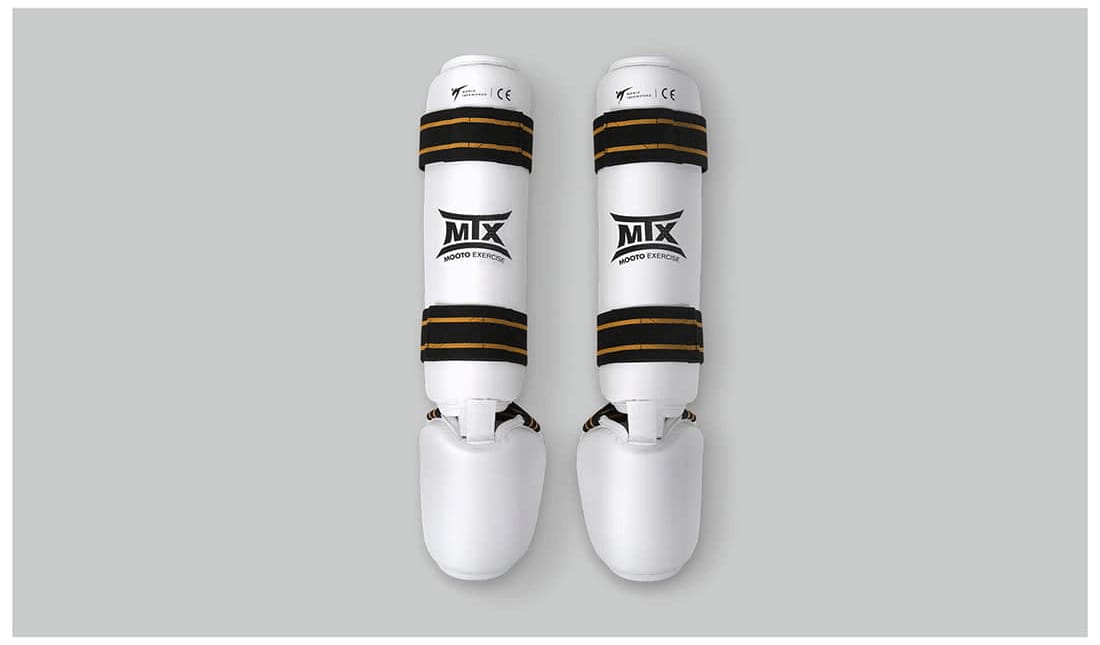
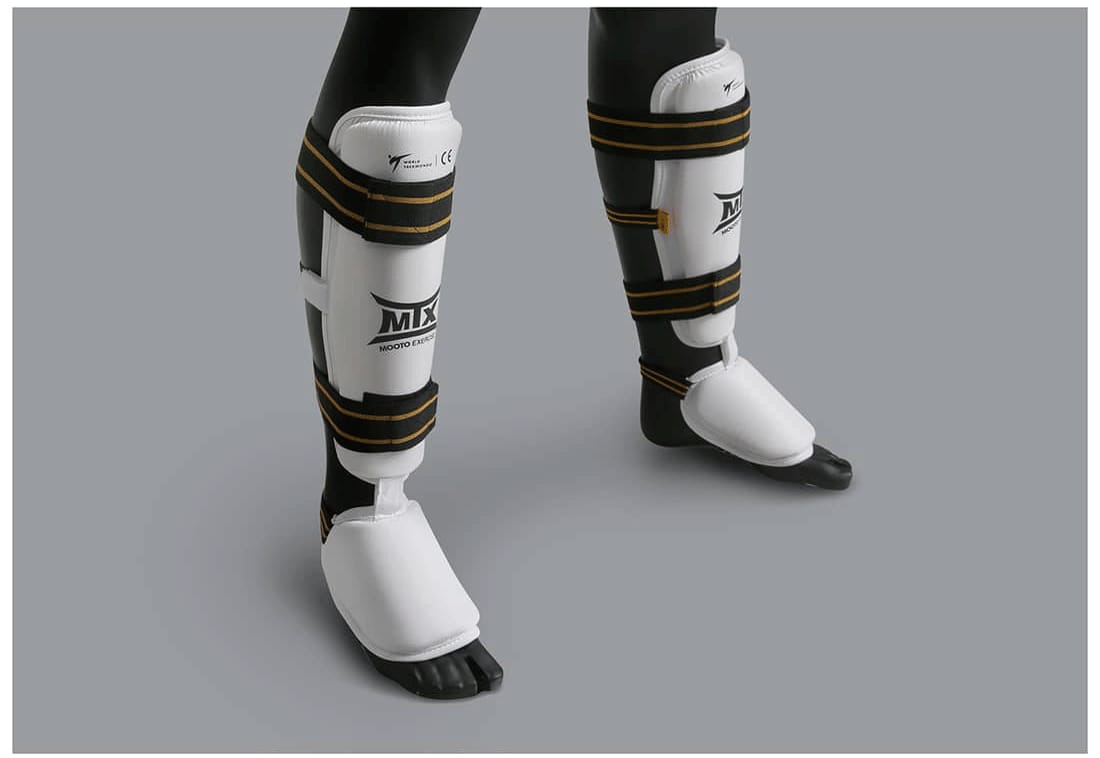
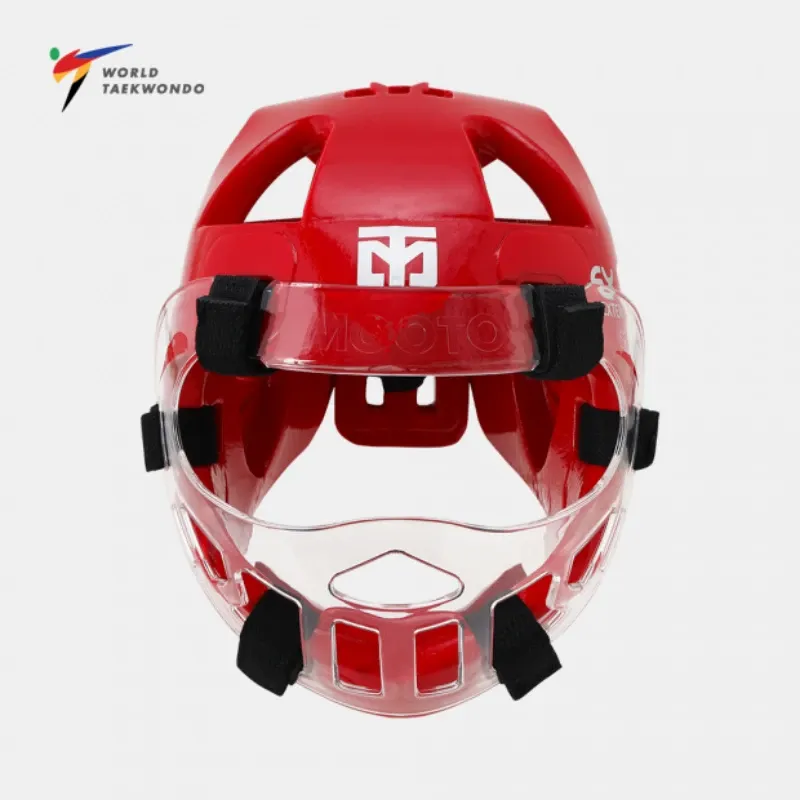
On high-intensity days, gear choices directly affect quality and safety. Breathable, moisture-wicking training wear reduces the extra cost of heat build-up, while protectors belong in the sparring and target-work portions to shield joints and soft tissue when fatigue sets in. When equipping a conditioning class, dojangs should kit out for the full number of participants and inspect protectors and mats for wear on a regular schedule.

Recovery is part of the programme. Post-session static stretching, sufficient sleep and adequate nutrition decide whether the next session holds its quality; pack conditioning sessions too closely and the lack of recovery erodes results and raises the risk of overuse injury. Dojangs that want to equip conditioning classes with a full set of training equipment and flooring can contact us through official MOOTO channels for bulk solutions and inquiry support - the MTX target mitt is a common starting point.
"Conditioning is not about doing more - it is about doing the right things. Every session should answer one question: which part of a kick does this target?"
FAQ
journal.faq
Q1.How many conditioning sessions per week?+
Two to three sessions per week is a practical baseline, staggered against technical and sparring classes. Taper in the week before a competition or grading test.
Q2.Can running and skipping rope alone improve kick speed?+
Running mainly develops cardio and aerobic capacity, with limited direct transfer to kicking power. Kick speed needs low-load, high-velocity hip power work combined with anti-rotation core training.
Q3.Can youth athletes do power exercises?+
Yes, but the emphasis should be bodyweight movements, landing control and coordination, with slower progression than adults and no heavy maximal-strength work.
Q4.Is static stretching before training okay?+
Use dynamic mobility (hip circles, travelling leg swings) to warm up before training. Static stretching fits better afterwards - 20-30 seconds per position, 2-3 sets.
journal.takeaways
- →Taekwondo conditioning rests on hip power, anti-rotation core strength and ankle-hip mobility - not generic strength or aerobic endurance.
- →Competition runs 3 x 2-minute rounds, so conditioning should match that high-intensity intermittent format and aim to preserve quality in round three.
- →Run an 8-week, four-phase progression: base adaptation, capacity building, intensity, then integration and taper, with volume cut by roughly a third in the final week.
- →Keep high-intensity conditioning away from high-intensity technical or sparring days; if they share a day, put conditioning after technique.
- →Gear and recovery shape quality too: breathable training wear, regular checks on protectors and mats, and static stretching after training.
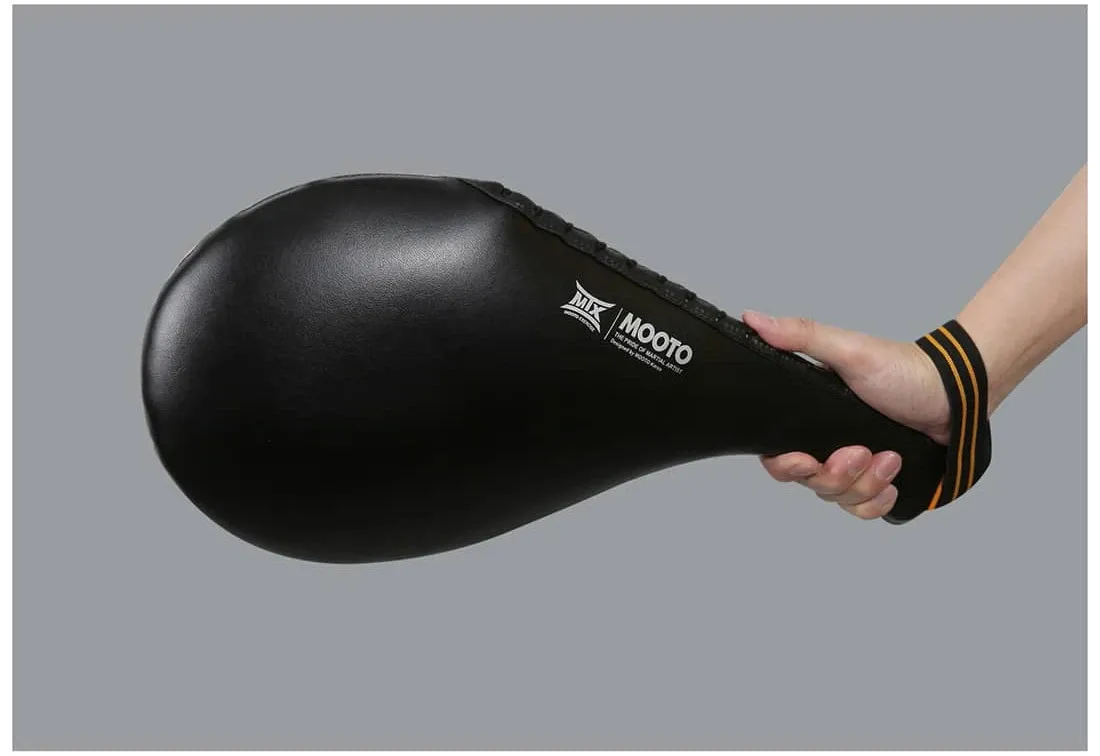
MTX Target Mitt Single/Double
适合各种打击和踢腿训练。