When a child walks into their first taekwondo class, parents and coaches tend to ask the same question: how long until they can kick properly? What actually decides whether a child stays is rarely technical progress - it is the experience of the first three months. This guide breaks youth taekwondo training into three staged fundamentals and sets out how dojangs should structure kids' classes, coach ratios and gear sizing.
1. The beginner goal is not technique - it is coming back a second time
The biggest difference between children and adults learning taekwondo is the structure of motivation. Adults usually arrive with an explicit goal - losing weight, self-defence, competition. Children are usually brought by a parent. If lessons one through ten are mostly dry repetition, interest disappears before technique has a chance to form. That is not a lack of talent; it is a curriculum that does not match how children pay attention.
The first design principle of youth taekwondo is therefore to treat staying as the stage goal, and let technical progress serve the classroom experience. In practice this means giving every lesson a challenge the child can complete, providing clear and immediate feedback, and keeping intensity at a level where they still want to come back tomorrow. Three observable markers tell you whether the class is working: whether the child changes into their dobok unprompted, whether they are willing to repeat the same movement, and whether they bring the lesson up at home.
2. The order fundamentals should follow
Stage one: coordination and stance
Taekwondo fundamentals do not start with kicks. A child's body control is still developing, and jumping straight into technique produces unstable weight shifting and joint compensation. Stage one belongs to stance, weight transfer and single-leg balance. The aim of stance work is not a textbook posture but the sensation that the body can stop and stay stable. Once that exists, every leg technique that follows becomes considerably easier to teach.
Typical drills at this stage are holding a single-leg stance in place, slow lateral weight transfers and simple reactive movement. None of it looks technically impressive, but it is the substrate for every leg technique later. The test for moving on is straightforward: can the child hold a stable single-leg stance for several seconds without assistance? Advancing on that marker is more reliable than advancing on a fixed number of lessons.
Stage two: footwork and movement
Footwork is the component most often skipped in youth training, and the one most likely to exact a price later. Almost every attacking technique in taekwondo is built on movement, and the stability of that movement comes from the feet. Step forward, step back and switch step deserve weeks of repetition rather than being covered in one or two lessons.
On method, turning footwork into a game beats lining children up in rows. Mark distances on the floor with tape and have them complete the prescribed steps between the marks, or use changing verbal commands to train reaction speed. The key metric is not speed but whether the centre of gravity is still controllable at the end of each step. Coaches can draw on the rhythm and distance work described in our training and technique section at /journal/category/training-tech - distance awareness applies just as much at the youth stage.
Stage three: repetition of a single technique
Only once stance and footwork are stable does technique come in. The principle at this stage is heavy repetition of one technique rather than a collection of techniques. The front kick is usually first, because its demands on hip flexibility and balance are comparatively gentle and progress is easy to feel. Taking the front kick to the point where it works reliably in motion is worth more than learning five kicks at once.
In practice, a workable rhythm for a kids' class is to spread each new technique across at least three lessons: the first establishes the idea of the movement, the second repeats it slowly against a stationary target, the third introduces movement and light opposition. Repetition across lessons suits how children remember better than heavy drilling inside a single session, and it lets every child leave with a sense that today was slightly better than last time.
Bottom line: youth taekwondo follows stability, then movement, and only then technique.
3. Structuring a dojo kids' class
For dojo operators, how a kids' class is structured feeds directly into renewal rates. A 50 to 60 minute children's session can be arranged in four parts: warm-up and games (10 minutes), fundamentals review (15), the new technique of the day (15), and cool-down (10). Placing the new technique in the middle matters because that is usually the window where attention is highest. The warm-up games are not just about burning energy - they build a positive association with the venue.
Coach ratio matters just as much. A beginner class should run at no more than one coach to eight students, because this stage depends on individual correction; one coach watching a dozen children at once means nobody is genuinely being taught. The ratio can loosen once fundamentals are in place, but the technique portion should stay visible enough that every child can be seen.
Parent communication is the most underrated part of running a kids' class. Writing the three items covered in each lesson on the dojo noticeboard, and giving parents one clear progress update a month, builds more trust than photos dropped into a group chat. How visible progress feels to a parent often influences renewal more than the actual rate of technical improvement. For children moving into grading cycles, the next question is usually about belt levels and test requirements - our belt grade and tying guide at /journal/1fd57140-125f-4293-a378-4b65eba899bf sets out the full sequence from white belt to black.
4. Gear and sizing: the real constraint of growing bodies
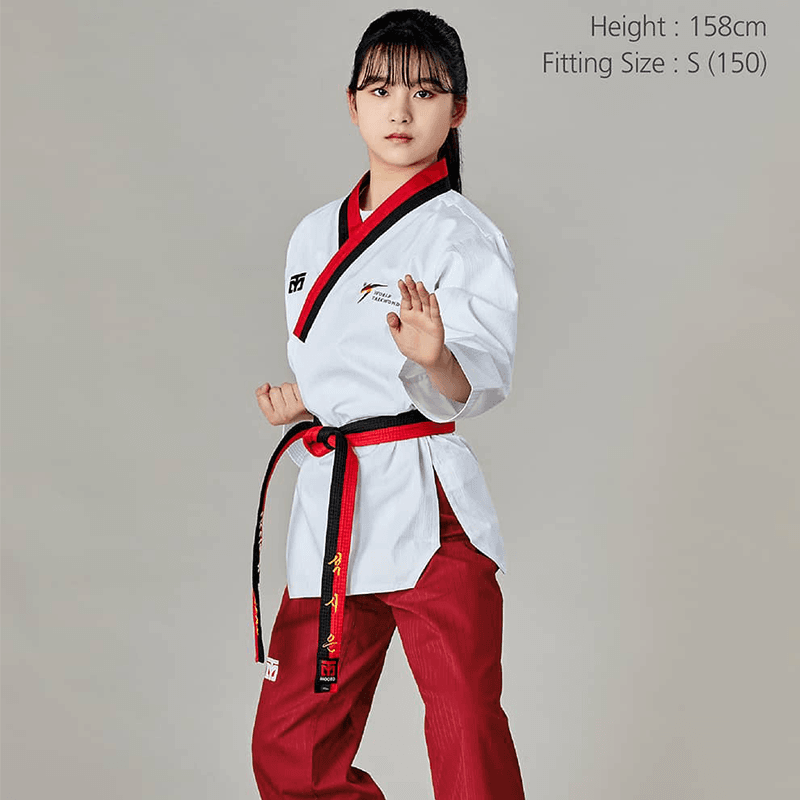
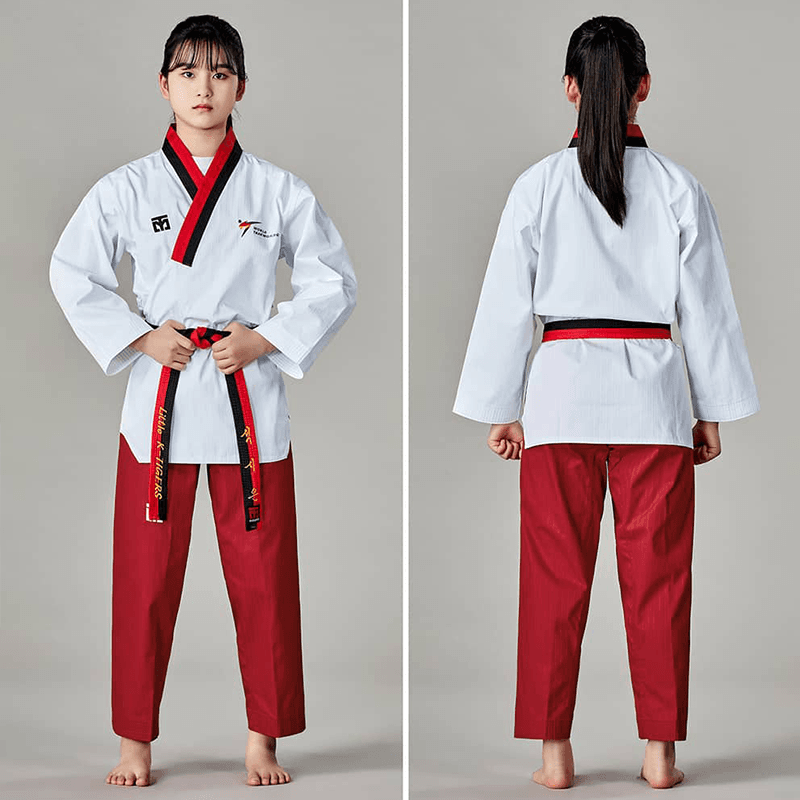
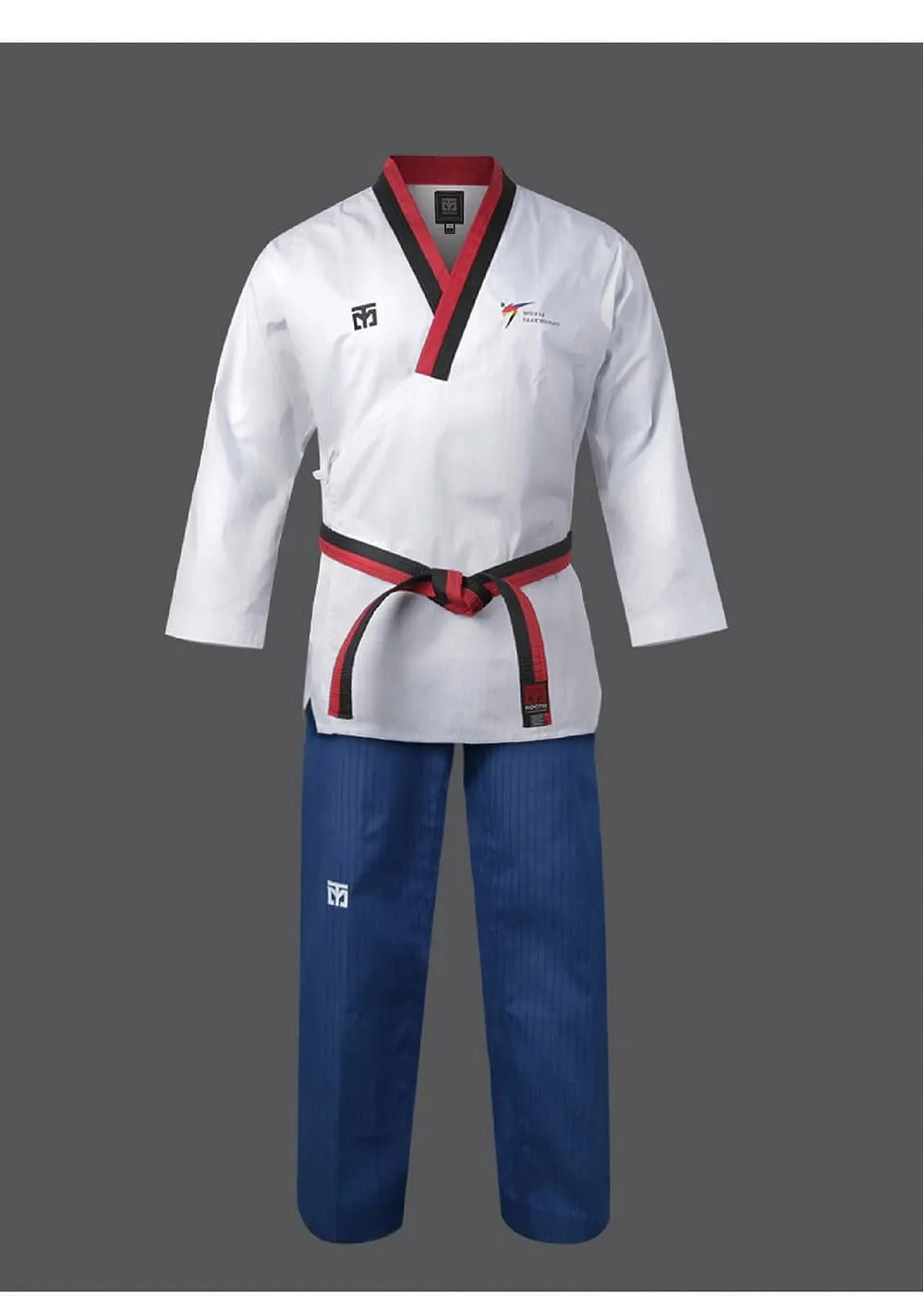
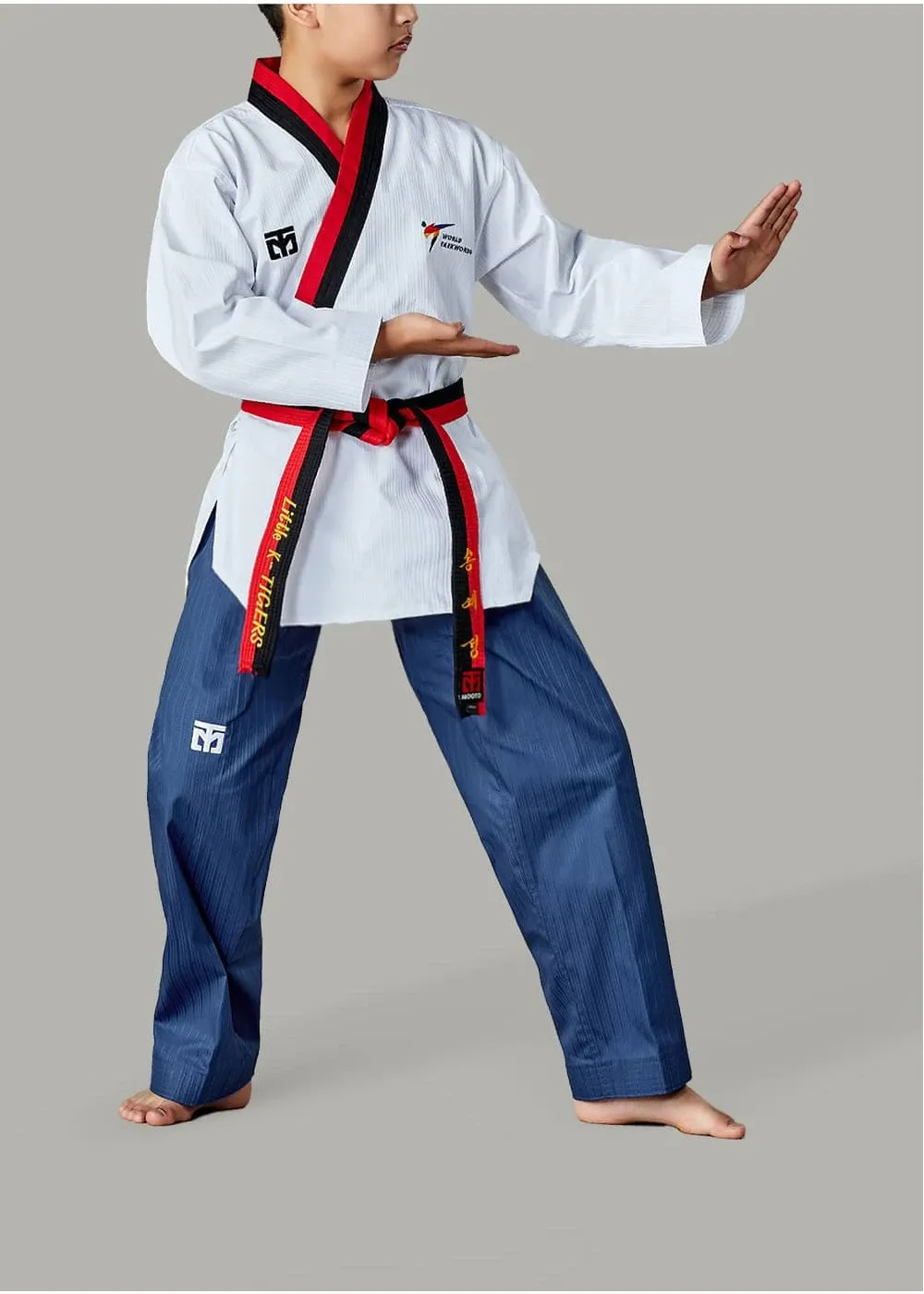
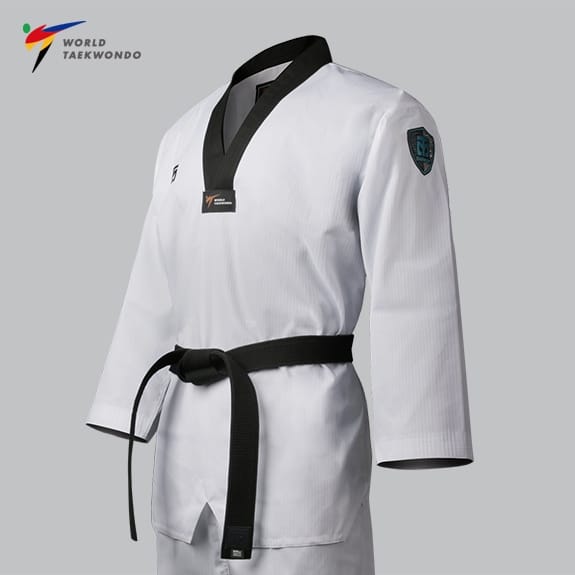
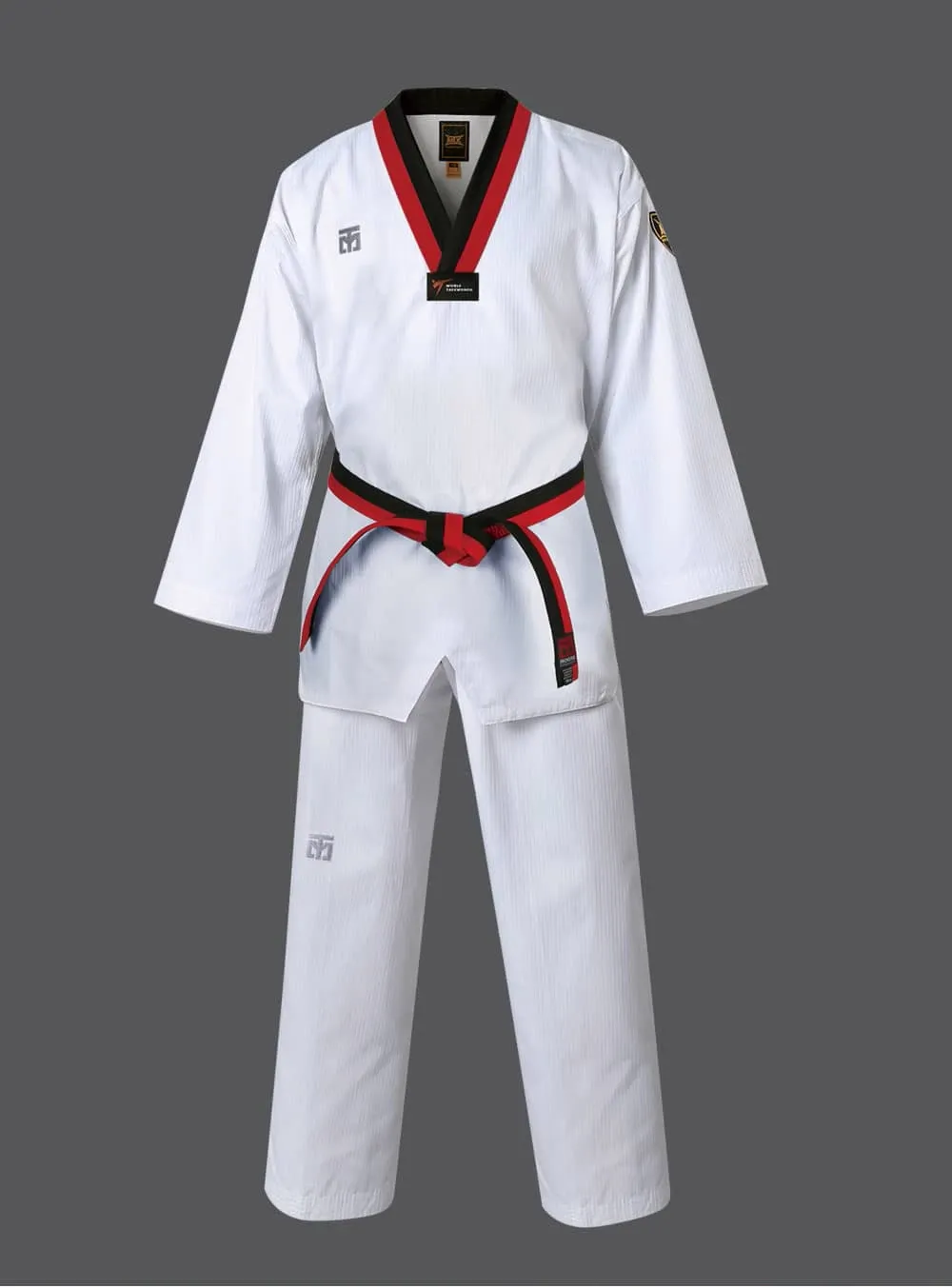
The central tension in kids' gear is that children grow fast while a dobok needs to fit. An oversized dobok does not just impair movement - it gets stood on during training and becomes a tripping risk. An undersized one restricts hip range and directly reduces a child's willingness to attempt kicks. On the MOOTO MTX 2 standard uniform, kids' sizes run from 5XS(100) to S(150), covering the full band; height, not age, should drive the choice. Our kids' dobok buying guide at /journal/ab69c1f6-f92b-4e16-88b1-4f8a91b7d646 covers the full size mapping and selection logic.
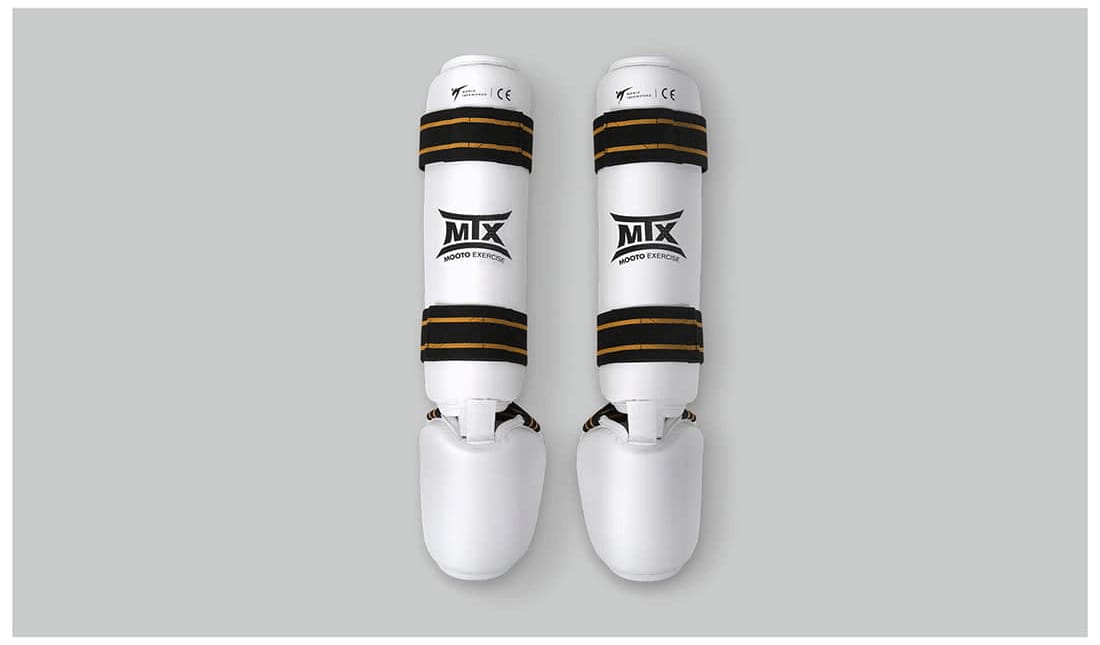
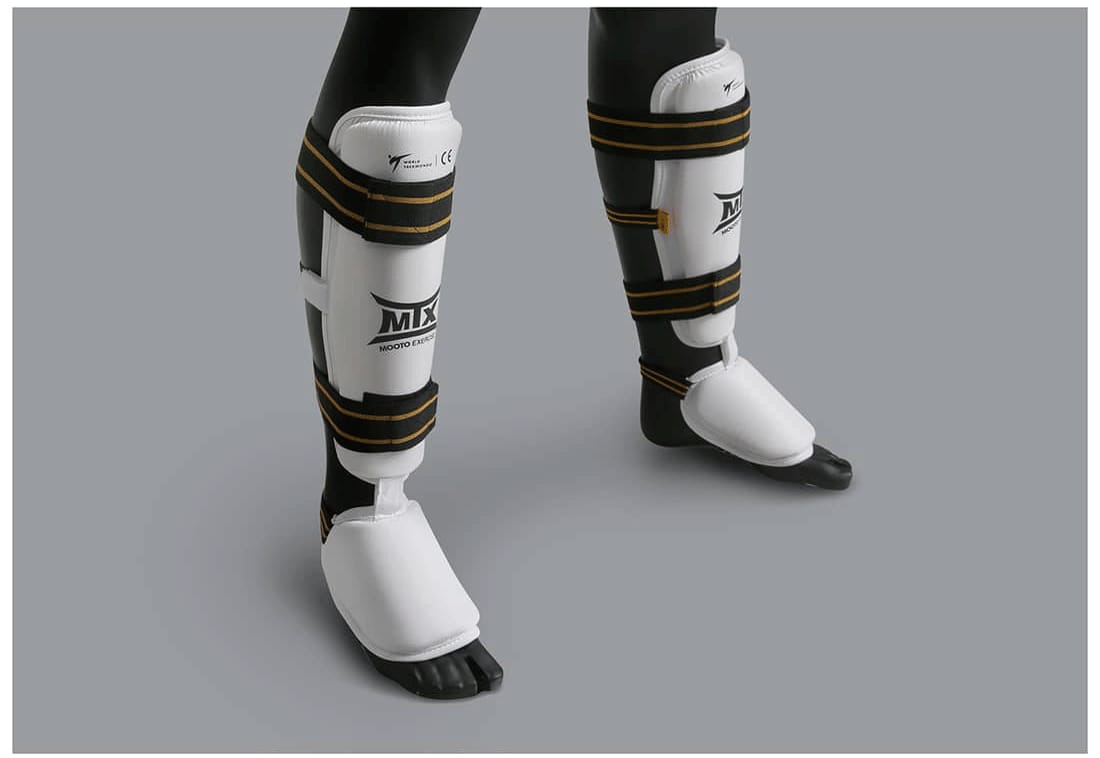
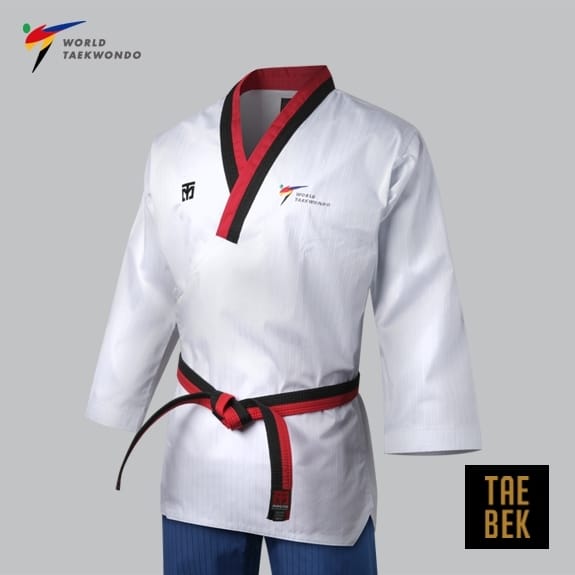
Beyond the dobok, the question parents ask most is how many sets they need. Two is the sensible starting point for the beginner stage: one to train in, one to rotate while the first is washed, so that training three times a week never depends on laundry. Protectors come later - normally once sparring begins - and are then sized by weight and height, with the coach confirming whether they meet competition requirements. Students on the poomsae track should also note how collar design maps to grade; see our poomsae dobok craft feature at /journal/650f78ae-4d9e-4cf4-a8b8-d7574b1ca93e.
For dojos and dealers, ordering gear for a kids' class means thinking about stock structure. Kids' sizes concentrate in two adjacent sizes and turn over far faster than adult sizes, so after mapping the height distribution of your students, set quantities proportionally across the primary and secondary sizes and reserve a restocking window each year for the intake season. Our dojo bulk purchasing guide at /journal/36d1ce57-36fb-49ef-94a9-98213e167617 covers the full method and the essentials of an inquiry.
KEY TAKEAWAYS
- →The first goal of youth taekwondo is that the child wants to stay; technical progress serves the classroom experience.
- →Fundamentals order: stance and single-leg balance, then footwork and movement, then heavy repetition of one technique.
- →Structure kids' classes in four parts and keep beginner coach ratios at one to eight or better.
- →Size a dobok by height rather than age and keep two sets in rotation; add protectors once sparring starts.
"In the beginner stage you are not teaching a kick. You are teaching a child to believe they can do it."
FAQ
Q1.At what age should a child start taekwondo?+
There is no single age line. A more reliable marker is whether the child can understand and follow simple instructions and hold a stable single-leg stance for several seconds unaided. Most dojangs start beginner classes at pre-school age, but that stage should focus on coordination and interest rather than technical progress.
Q2.Should a white belt train every day?+
Daily training is not recommended at the beginner stage. Two or three sessions of 50 to 60 minutes a week better suits a child's recovery and attention span. Five to ten minutes of flexibility and balance work at home is a useful supplement.
Q3.How soon can a child take a grading test?+
Grading pace depends on the dojo's curriculum and how consistently the child attends, not on a fixed timetable. A more dependable marker is whether the child can independently complete the fundamentals and poomsae for their current grade without prompting.
To configure a size-graded gear plan for a dojo kids' class, share your student numbers and height distribution and the MOOTO team will provide size ratios and inquiry guidance.
Taebek 2 Poomsae Uniform Poom Male
韩国原装太白品势服 WT认证款