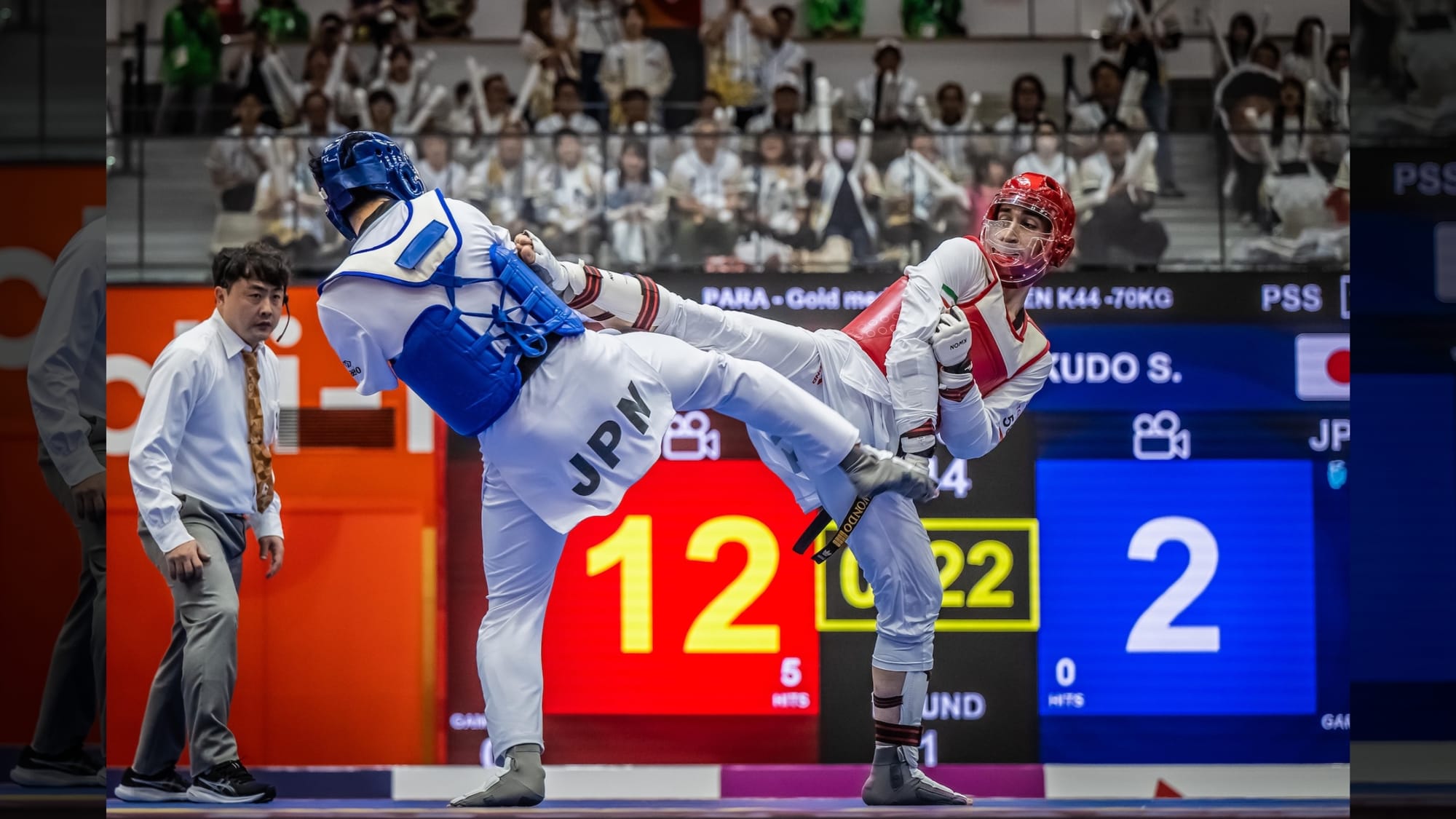
Para taekwondo moved into its second day at the Aichi-Nagoya 2026 Asian Para Games on 20 October, with competition held at Mizuho Park Gymnasium. Four gold medals were decided: China swept the women's -57kg and -65kg classes, Mongolia and Iran took one men's title each, and Japan's Shunsuke Kudo gave the home crowd a silver to remember in the men's -70kg. The event brings 83 athletes from 18 countries and concludes on 21 October.
Four finals, two of them Chinese
The women's -57kg final belonged to Yujie Li. The Chinese athlete, already a Paralympic champion from Paris 2024, added the Asian title to a resume that now covers both the global and continental stage. Zahra Rahimi of Iran took silver, while Maryam Abdollahpour Derodei of Iran and Kamalakhon Rasulova of Uzbekistan shared bronze.
The women's -65kg final became an internal Chinese conversation: Yinan Yao, the Hangzhou 2022 Asian Games champion, took gold ahead of compatriot Ziyue Xu. Awipa Phuaphan of Thailand and Pari Mah Tourani of Iran shared bronze. A same-nation one-two in a single class is the clearest available evidence that the depth on that side no longer depends on one core athlete.
The men's classes go to Mongolia and Iran
In the men's -63kg, Bolor-erdene Ganbat of Mongolia won gold. The result is not an isolated one: silver at the Paris 2024 Paralympic Games, gold at the Hangzhou 2022 Asian Games and now an Asian Para Games title mean he has stood on the podium at all three levels of the sport. Kudratjon Haydarov of Uzbekistan took silver, with Zukhriddin Tokhirov of Uzbekistan and Saeid Sadeghianpour of Iran sharing bronze.
The men's -70kg title went to Amirhomammad Haghighatshenas of Iran. The silver was the loudest result of the day: Japan's Shunsuke Kudo finished second with the home crowd behind him. Javokhir Alikulov of Uzbekistan and Dongho Lee of Korea shared bronze.
"Four champions were crowned on the second day of Para Taekwondo at the Aichi-Nagoya 2026 Asian Para Games, held at Mizuho Park Gymnasium."

Three things the results sheet actually shows
First, the spread of Uzbekistan. Lay the four finals side by side and Uzbekistan is the most frequent name: a silver and a bronze in the -63kg, a bronze in the -57kg and another in the -70kg, four medals across three classes. That pattern is not one athlete peaking; it is a training pipeline producing competitive athletes in several divisions at once. For suppliers it also means demand will not concentrate in a single size or a single product category.
Second, the depth of Iran. Gold in the -70kg, a silver and a bronze in the -57kg, a bronze in the -65kg and another bronze in the -63kg add up to five medals across four classes on the day. Iran has invested in para taekwondo across multiple cycles, and this kind of cross-division output usually reflects a long-term athlete development system rather than a single good tournament.
Third, the stability of China's women's programme. Both Chinese golds came on the women's side, and the -65kg was a one-two. That stability comes from finals experience: Yinan Yao is a Hangzhou Asian Games champion and Yujie Li a Paris Paralympic champion, and neither was handling a multi-sport Games final for the first time.
Chest guard and instep: where the gear story sits
In K44 para taekwondo the trunk is the only valid scoring area, so the chest guard plays two roles at once: protection, and the carrier for the electronic scoring system. Fit decides two things directly, whether the guard shifts on impact and distorts the reading, and whether the athlete can hold trunk posture through turning and spinning techniques. A reversible red-blue guard is the more practical choice for dojangs and organisers: one piece covers both sides, cutting both the number of stock variants and the turnaround time between bouts.

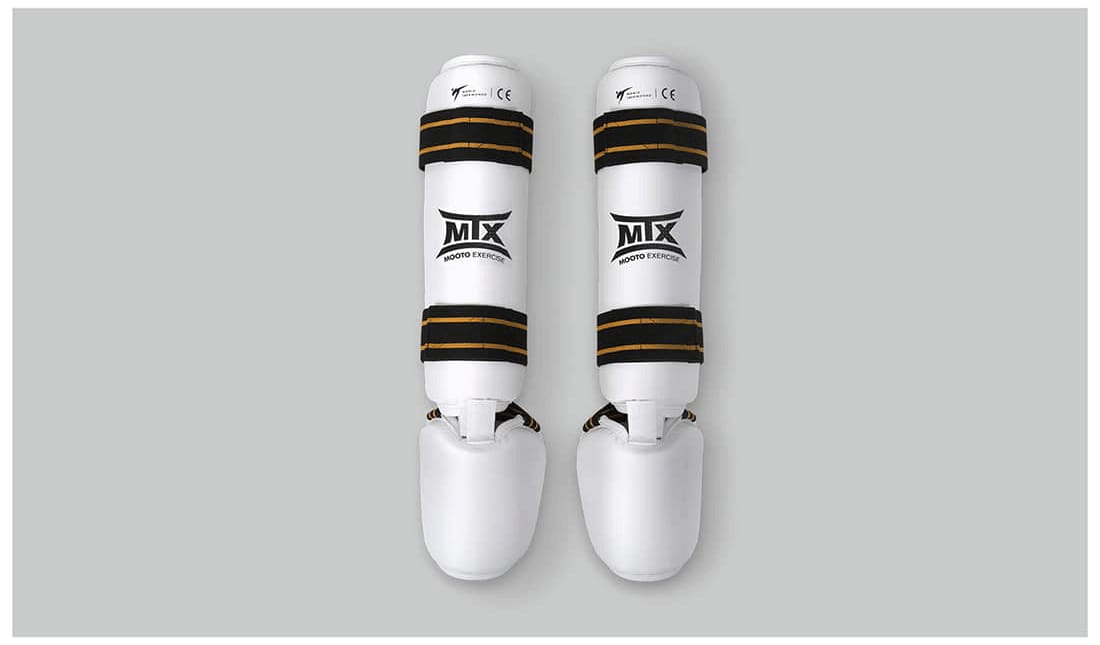
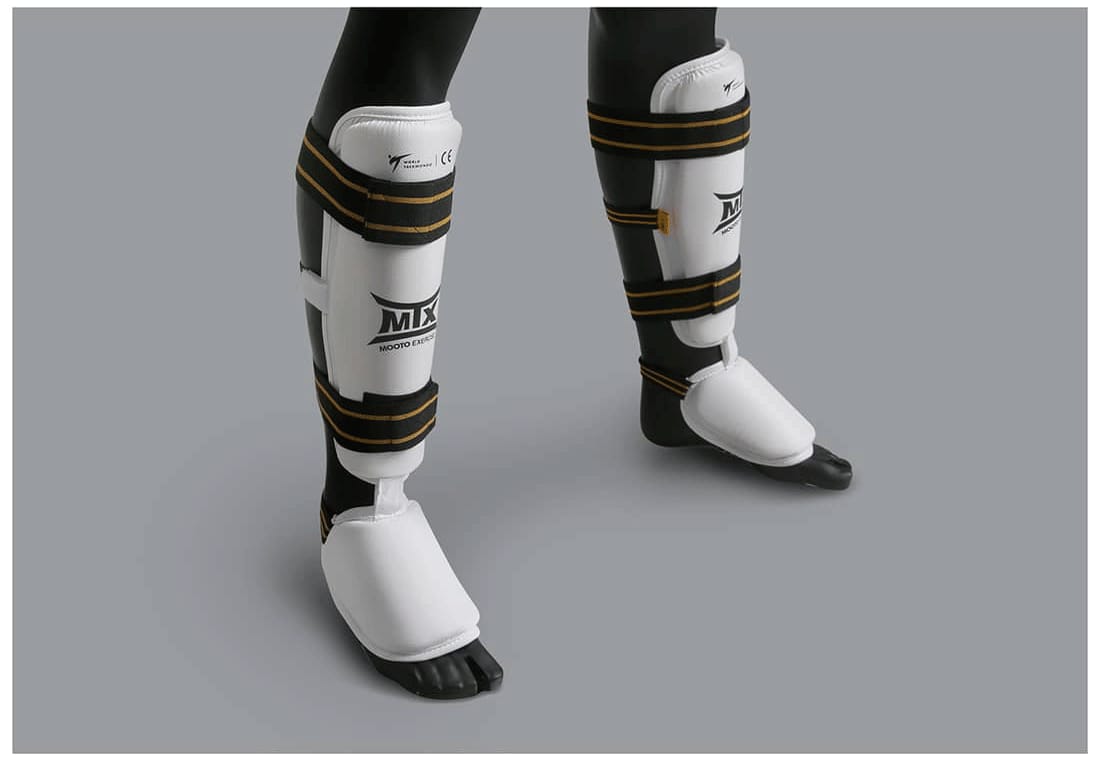
If kicks are the only way to score, shin and instep protection is not optional. A one-piece shin-and-instep design resists displacement during repeated kicking, but sizing and strap tension have to be matched to the individual calf and foot shape: too tight restricts ankle mobility, too loose allows the guard to slide on spinning kicks. When buying in bulk, these two parameters deserve confirmation before price does.

A ban on head contact does not remove the need for head protection. Accidental contact still happens in training and in everyday sparring, and in those situations headgear works as protection, not as a scoring surface. For dojangs running sparring sessions and children's classes, face-covered models reduce the likelihood of facial abrasions, which is why many programmes stock face-covered and open models separately by class type.
Takeaway: when kicks are the only scoring technique, chest guard fit and instep fixation are the two gear variables that decide results, and a reversible guard is the leanest option for any dojang that also hosts competition.
Final day: three classes on 21 October
21 October is the last day of para taekwondo at these Games, with golds decided in the men's -80kg, the men's +80kg and the women's +65kg. All three are heavier divisions, and heavier athletes generate greater impact, so the impact structures and the upper size range of chest guards and shin guards become the points coaching staff check before competition. The event opened on 19 October and completes 10 K44 classes in three days.
submit an inquiry through the product page and we will advise on configuration by class, size and use case. Previous match reports are available in the tournament news category.
FAQ
Q1.Who won the four golds on day two?+
Women's -57kg: Yujie Li (China). Women's -65kg: Yinan Yao (China). Men's -63kg: Bolor-erdene Ganbat (Mongolia). Men's -70kg: Amirhomammad Haghighatshenas (Iran).
Q2.How many golds did China take on the day?+
Two, both on the women's side: Yujie Li in the -57kg and Yinan Yao in the -65kg. China also took silver in the -65kg through Ziyue Xu, making it a one-two in that class.
Q3.What is scheduled for the final day?+
Men's -80kg, men's +80kg and women's +65kg on 21 October, after which para taekwondo concludes with 10 K44 classes completed across three days.
KEY TAKEAWAYS
- →Four golds on day two: China swept the women's -57kg and -65kg, Mongolia and Iran took the men's -63kg and -70kg.
- →The women's -65kg ended in a Chinese one-two, Yinan Yao ahead of Ziyue Xu.
- →Uzbekistan collected four medals across three classes; Iran took five medals across four classes.
- →Gear priorities are chest guard fit and instep fixation, with a reversible guard the leanest option for organisers.
- →The final day on 21 October covers men's -80kg, men's +80kg and women's +65kg.
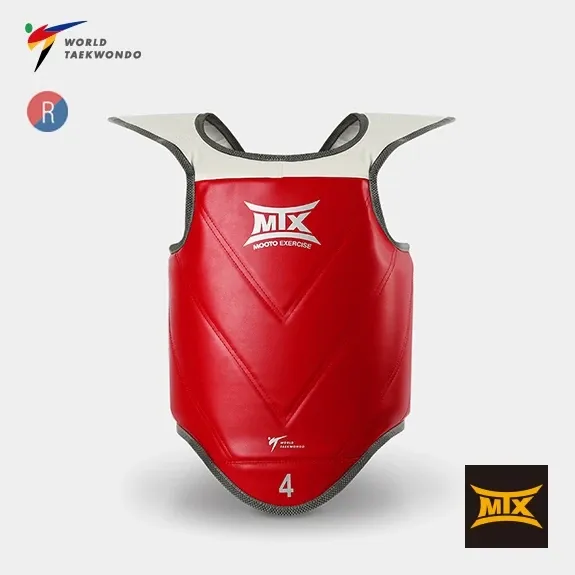
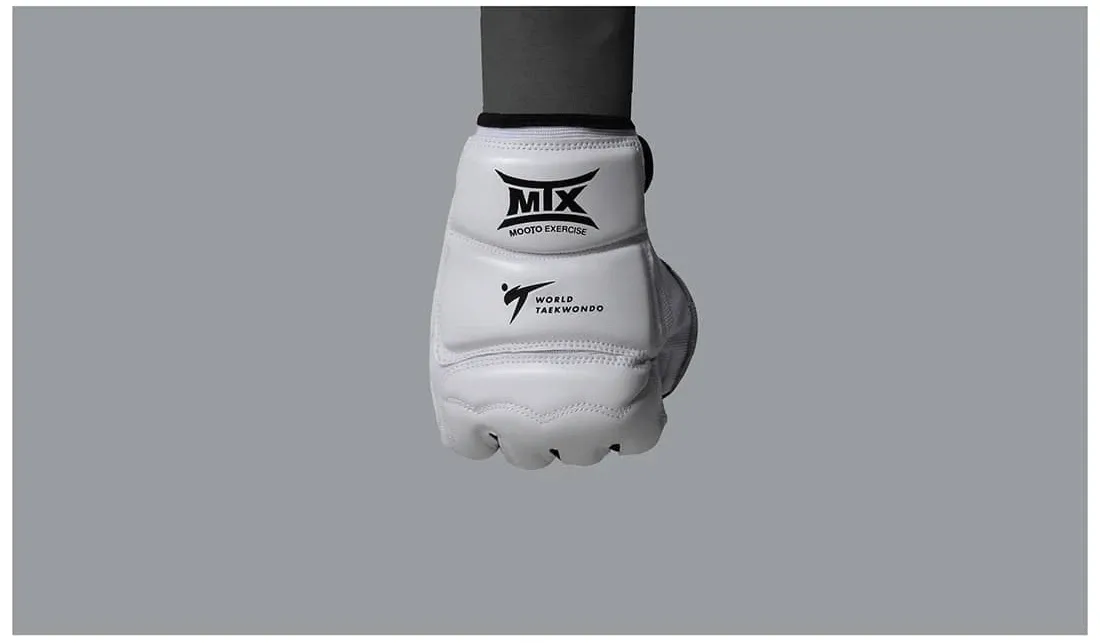
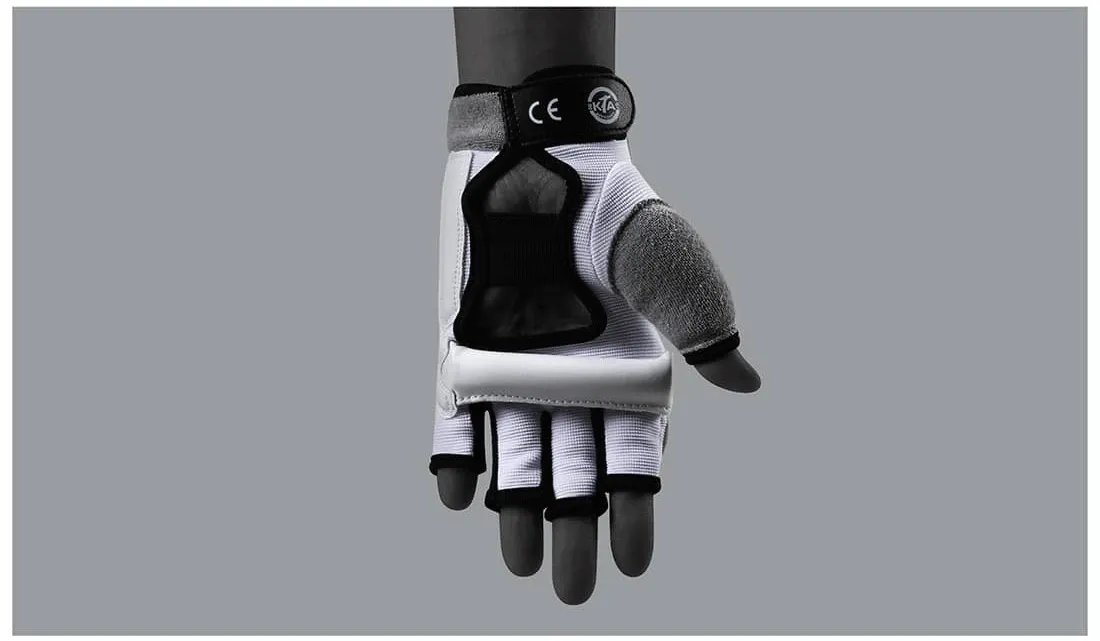
MTX 2 Reversible Chest Guard
'MTX’是为全球所有跆拳道运动员的初级训练及比赛提升而设计的产品线。不仅品质优良,价格合理,任何跆拳道选手均可无负担地佩戴使用。
All placings and athlete names in this report follow the World Taekwondo official news release of 20 October 2026, and competition rules are quoted from the official event discipline description. Further match reports will be published in the tournament news category.