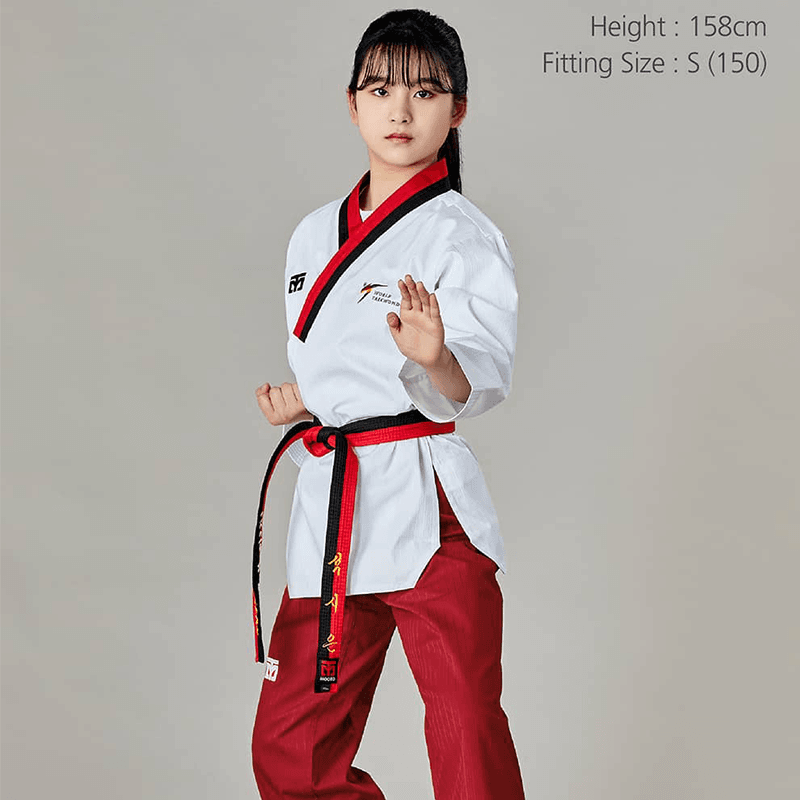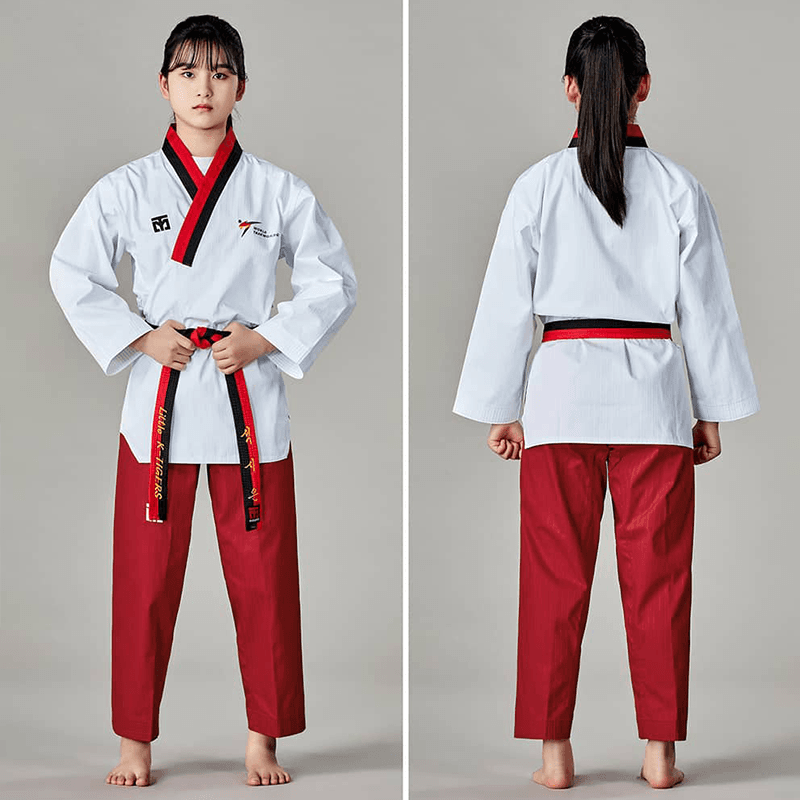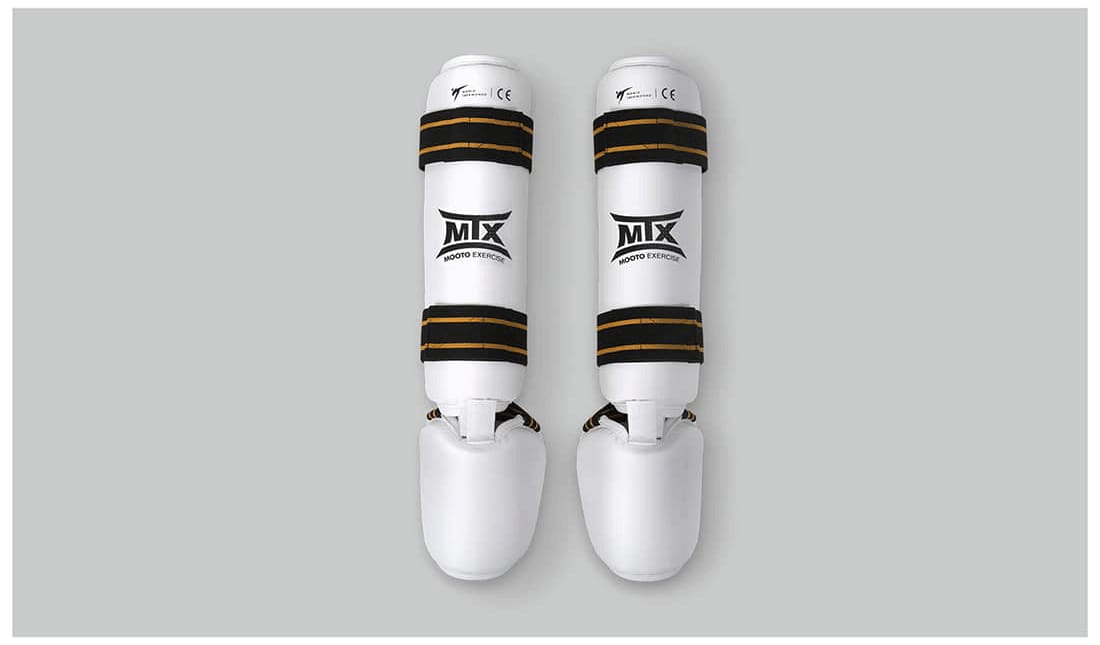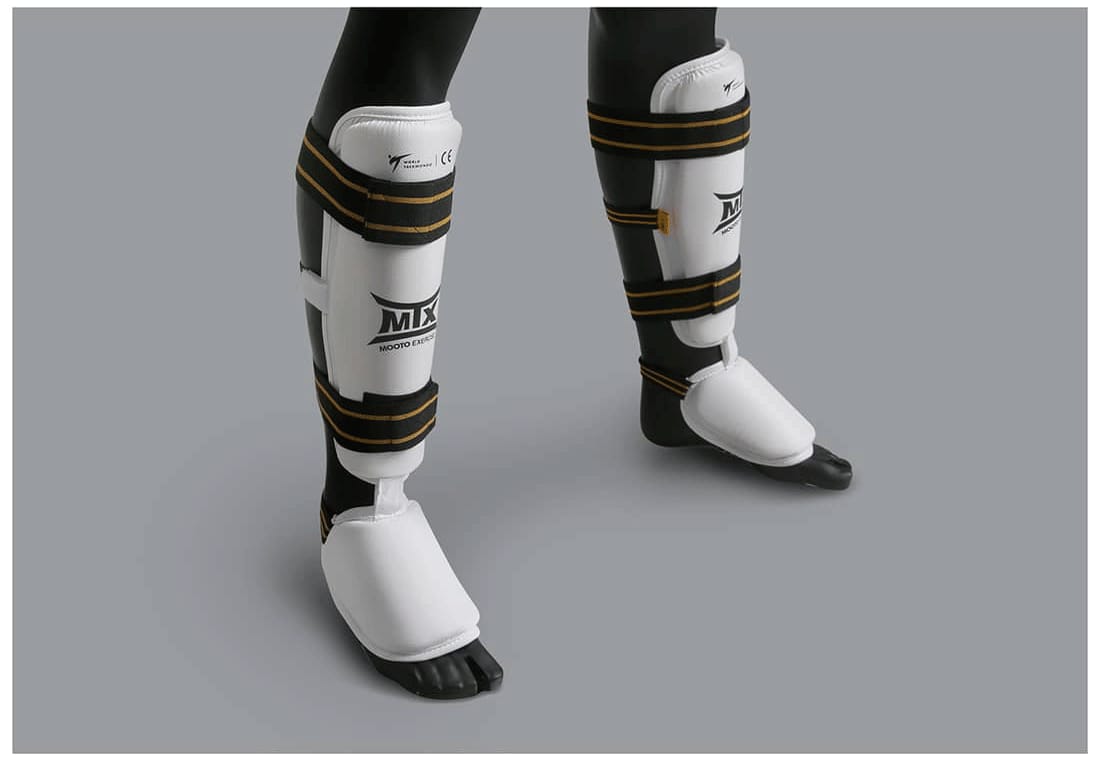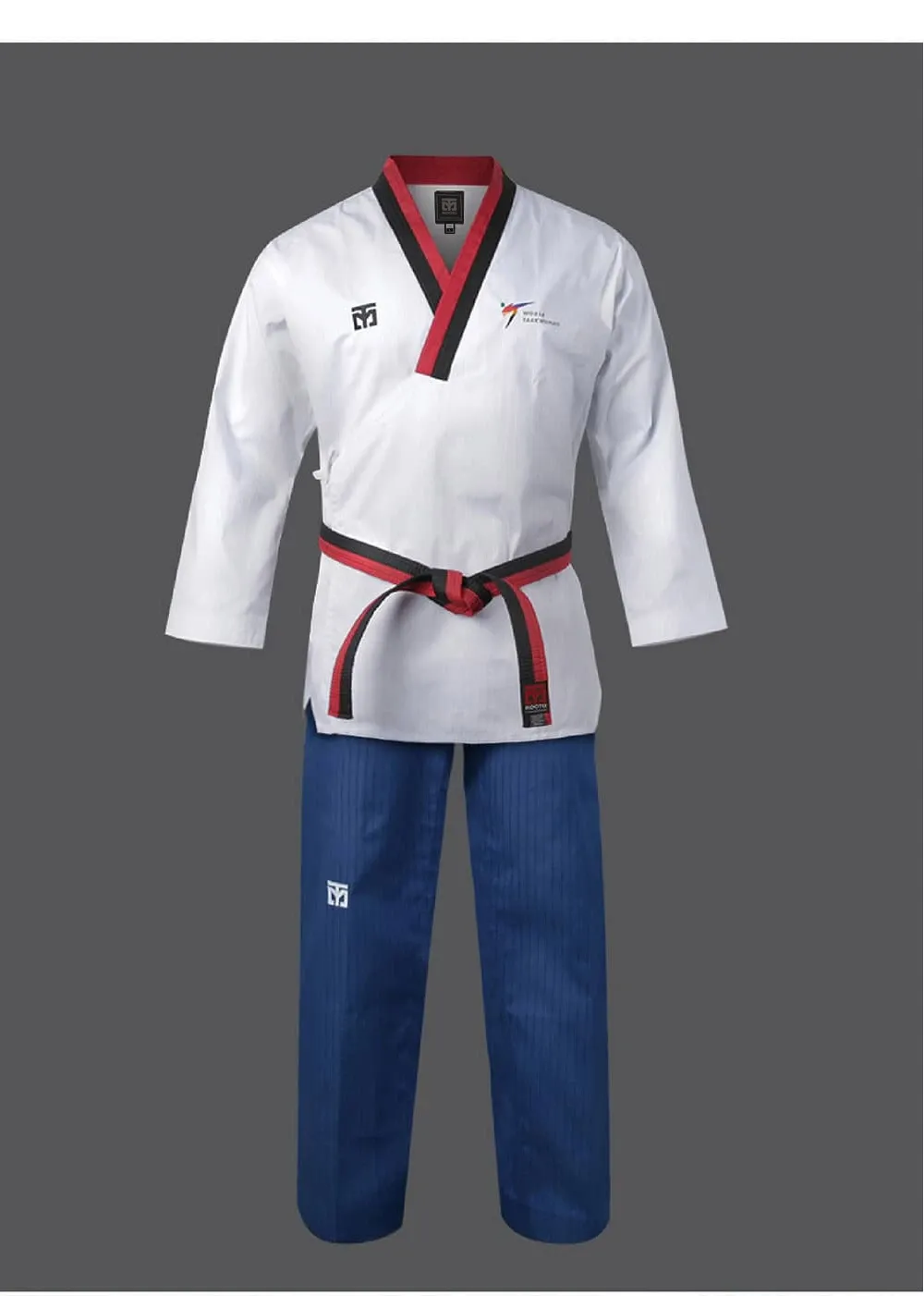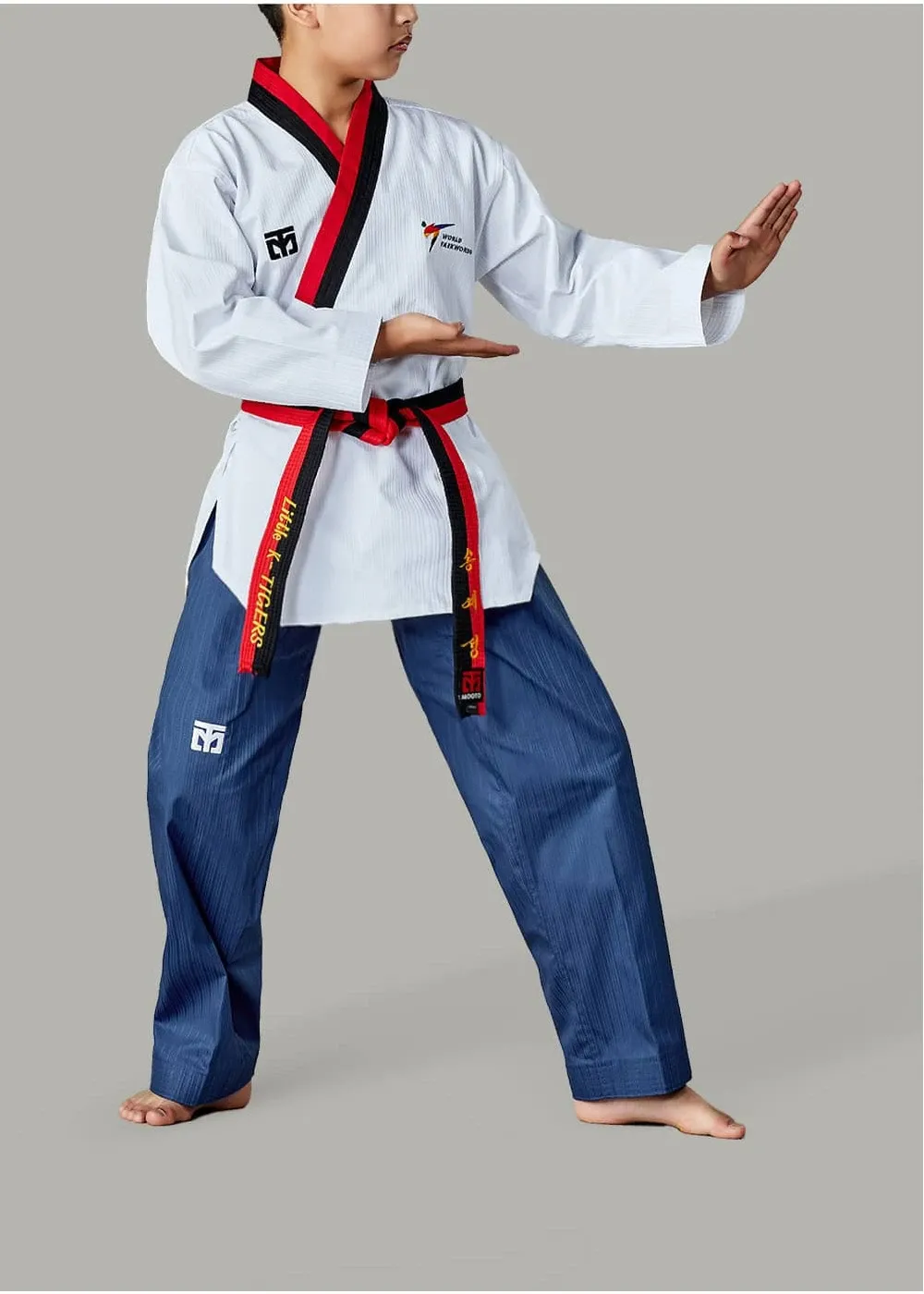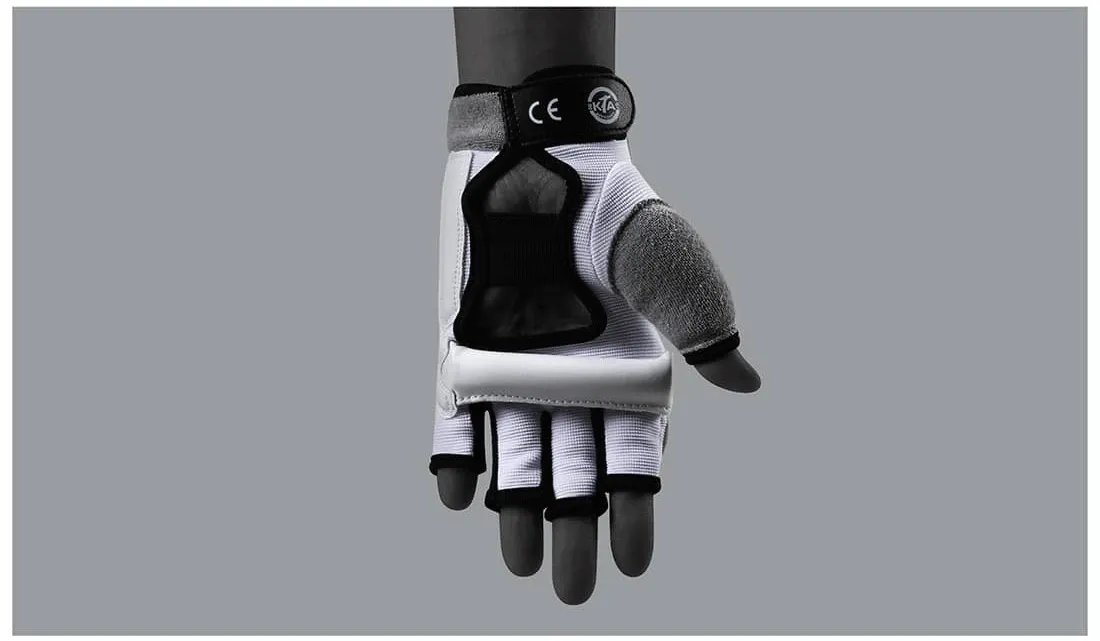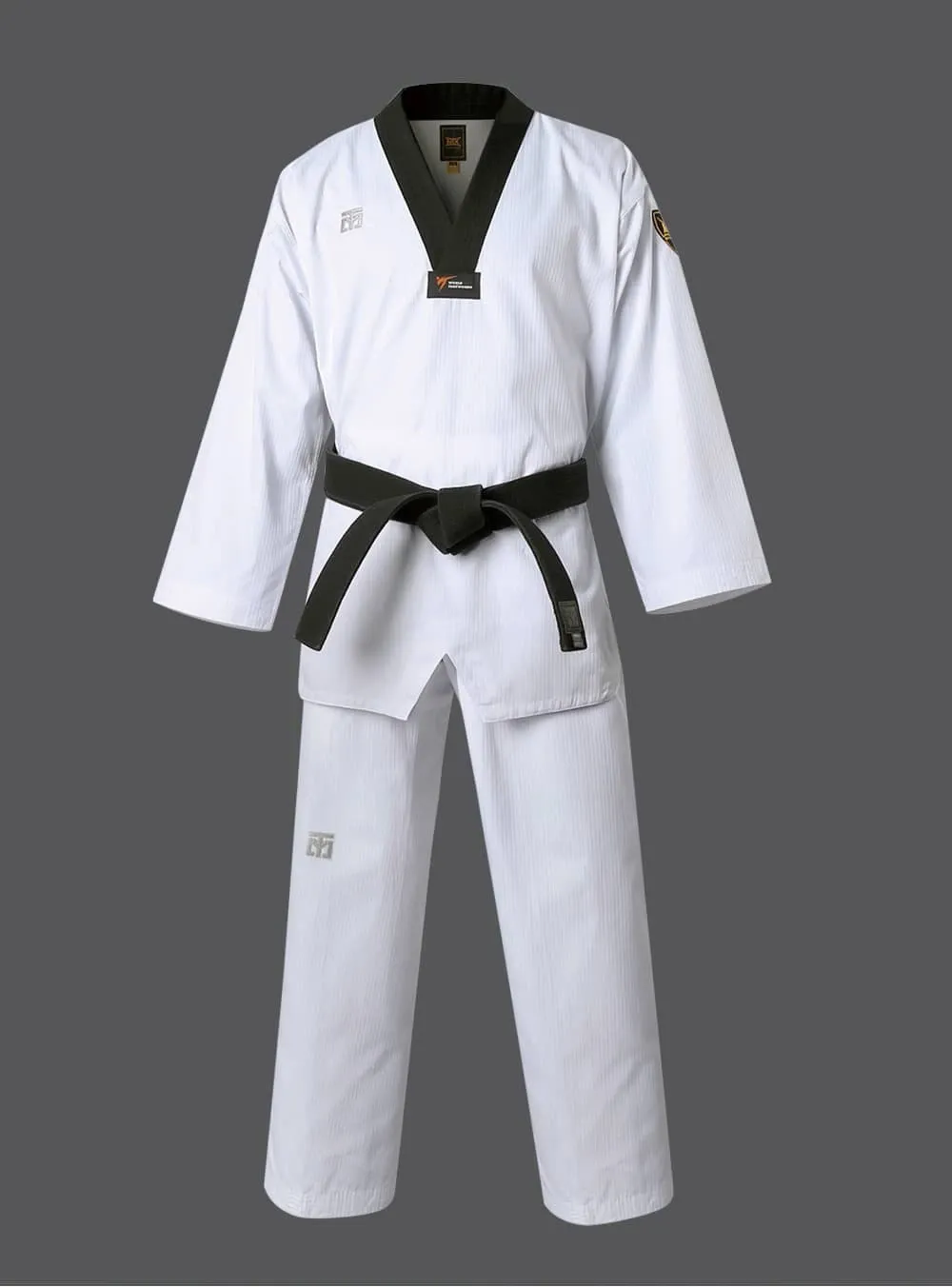
The cost of a dobok is rarely paid when you buy it. It is paid on the day it is retired early. Shrunken dobok, sour-smelling protectors and yellowed mouthguards thrown away are three of the most overlooked leaks in a dojang equipment budget. This guide works through the woven fabric, the foam and coating, and the fastening parts separately, and sets out wash, dry, store and replace routines that keep each item inside its designed service life.
1. Why washing decides how long gear lasts
A dobok is a woven textile; a protector is a foam core with a coated surface. The two fail along different paths. Dobok fail through fibre fatigue and through pattern distortion after shrinkage. Protectors fail through foam ageing, coating cracks and straps that lose elasticity. A large share of that failure is not caused by training intensity but by how the gear is washed and dried.
The two commonest mistakes are water that is too hot and mechanical agitation. Heat releases residual tension in the fabric all at once, so the garment comes out shorter overall with a distorted collar; the drum keeps loading the seams until they fuzz and then open. With protectors the problem is usually soaking. A long soak lets the foam take up water that dries far more slowly than the surface; the coating starts to separate from the core, and odour sets inside the material where washing can no longer reach it.
Gear rarely dies of training load. It dies of washing and drying: hot water plus machine agitation ruins a dobok, and soaking ruins protectors.
2. Dobok: water temperature, detergent and shrinkage
Water temperature and washing method
Wash dobok in cool water, kept under 30°C, the same setting you would use for light-coloured everyday clothing. Use a neutral, low-foam detergent and avoid anything with bleaching agents. Skip fabric softener: it leaves a film on the fibres that reduces breathability and moisture uptake, and the garment feels markedly stuffier in training. Hand washing is preferable. If you must machine wash, use a laundry bag, a gentle cycle and a separate load, never mixed with zips or velcro. The hook side of protector velcro is the most common source of physical damage to dobok fabric, and one mixed load can pull a patch of fuzz out of a sleeve.
What causes shrinkage, and what cannot be fixed
Shrinkage is the sum of three variables: water temperature, mechanical action and drying method. When all three run high, the shrinkage exceeds the allowance built into the sizing. The problem is not simply that the garment is smaller. Shorter legs reduce ankle range in kicks, a tighter shoulder restricts the reach of blocks and high strikes, and the layering relationship between protector and uniform changes as well.
One point needs stating plainly: shrinkage cannot be reversed by stretching. Pulling wet fabric only distorts it where the load is uneven, and the pattern ends up further off once dry. The correct fix is at purchase: allow proper margin on the size chart, then wash the first time in cool water and air dry. For sizing method, see ourkids dobok buying guideanddobok size guide.

3. Drying and storage: UV, humidity and folding
What happens after the wash matters just as much. Hang dobok inside out in shade with good airflow, and avoid long exposure to direct sun: UV makes fabric brittle and turns white dobok yellow. Do not use a tumble dryer. Heat plus tumbling keeps the fabric under load while wet, which is the second and most easily overlooked cause of shrinkage and distortion.
The garment must be completely dry before storage. A damp dobok folded into a bag develops a smell within hours and lets mould colonise the fibres, after which washing will not fully remove it. If the dojang has a shared storage area, keep spacing and airflow, and avoid compressing gear into stacks. Trapped moisture with no outlet gives mould a warm, humid environment to grow in.
4. Protectors: coating, foam and straps
Coated surface and foam
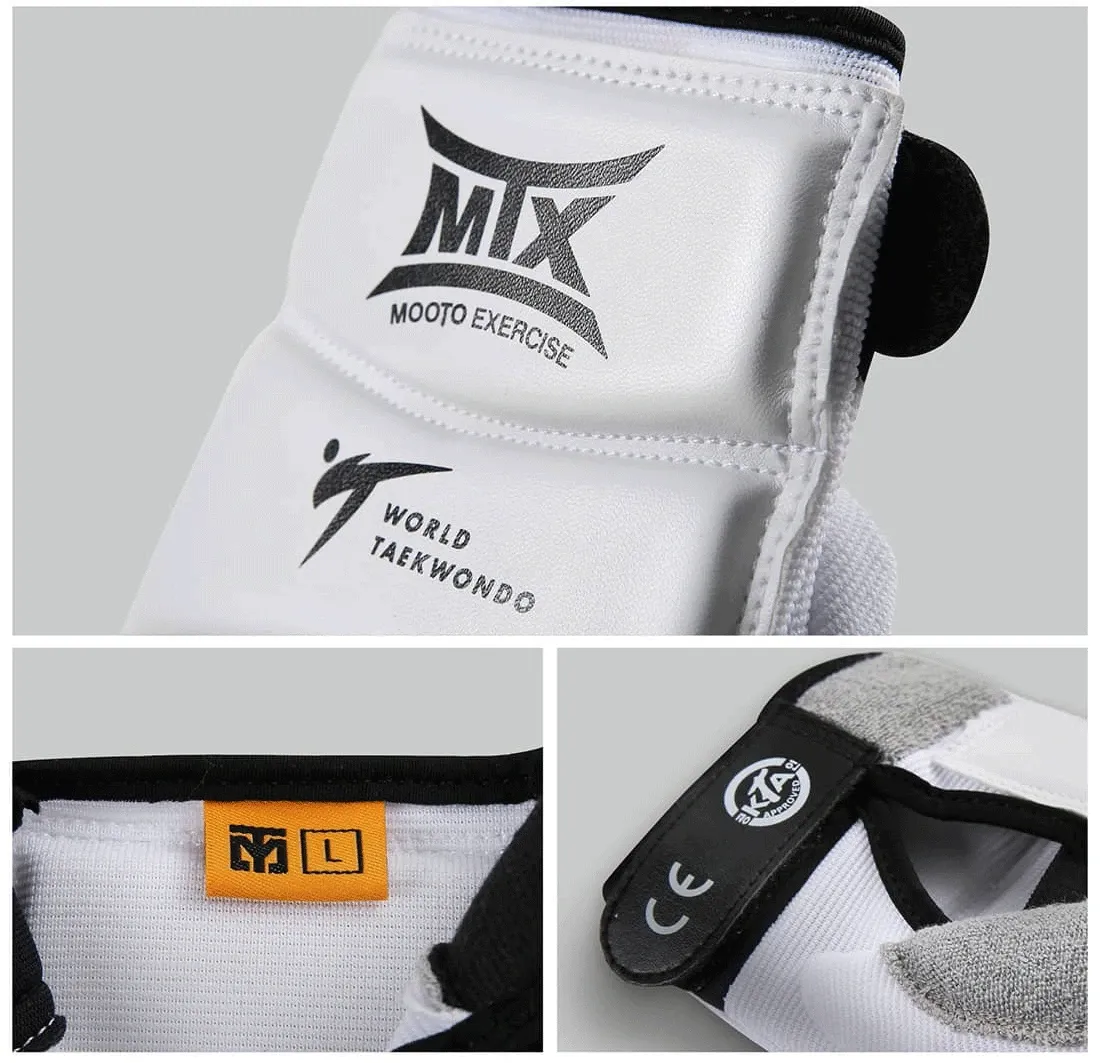
Hand, head and chest protectors are usually synthetic leather or coated fabric over a foam core. This construction tolerates very little soaking and very little heat. Wipe the surface with a damp cloth, treat stubborn marks locally with a neutral cleaner, blot with a dry cloth, then air dry in a ventilated place. Do not leave gear in direct sun, and keep it away from radiators or hot hairdryer air; heat dehydrates the coating, which hardens and cracks earlier than it should.
Once foam has taken up water, the core dries far more slowly than the surface. Packing gear away as soon as the outside feels dry is exactly why odour keeps coming back. Judge by feel when pressing: if rebound is noticeably slower or the pad feels damp, there is still moisture inside and it needs more air. Protectors dry best spread out, liner facing out, with air moving through them, not stacked in a locker.
Straps, velcro and odour
Velcro is one of the first parts of a protector to fail. The hook side catches fabric fuzz and loose threads and loses grip. After every session, close hook against loop so the hook side cannot catch other gear; to clean it, lift embedded fibres out with tweezers or a stiff brush rather than rinsing it, because water softens the hooks. Once a strap loses elasticity the protector shifts during movement, and even with intact foam the protection has already dropped.
Odour is controlled by ventilating every single session, not by deodorising periodically. Spread protectors out with the liner facing out after training so sweat evaporates within a few hours, and odour never accumulates. If a smell has already developed, wipe the liner locally with a diluted neutral cleaner and dry it completely before storage. Scented sprays are not recommended: they mask the smell while the moisture stays in the material.
5. Mouthguards: the most neglected item
A mouthguard is a consumable assigned per person, so it should be listed separately in a dojang equipment inventory and stocked by size. Its cleaning requirements are stricter than most people assume: rinse in cool water after each use, clean the biting surface with a soft brush, let it dry, then store it in a vented case rather than sealed in a plastic bag. Do not heat-sterilise it. Boiling water, dishwashers and UV cabinets all distort thermoplastic material, and the guard loses its fit.
Replacement is decided by fit, not by age. Replace it when the bite feels loose, the edges lift, or the material shows cracks: a guard that no longer fits cannot spread impact evenly, and its protective value drops sharply. For the same reason a mouthguard is personal equipment and should not be shared or handed down between students.

6. Replacement: when to replace instead of wash
Moving the replacement decision from a calendar to a condition is the single most effective step in controlling equipment cost. The visible checkpoints are: open seams, a delaminated collar or thinning, translucent fabric on a dobok; compressed padding, split stitching or failing wrist closure on hand protectors; cracks in the face shield or loose retention straps on headgear; separation between the two faces of a reversible chest guard; a loose bite or cracked material on a mouthguard. Each of these means protective capability has already fallen, and cleaning will not bring it back.
A practical management step is to batch-mark gear bought in bulk, recording the intake date inside the item or in an equipment ledger. Replacement then becomes a batch count rather than a hunch. The same logic applies to flooring: ourdojo mat maintenance and inspection guidesets out a comparable inspection cycle, and gear and mats can share one inventory sheet.
7. Turning care into a routine: three dojang actions
First, put the washing rules into the new-student handbook. Most damage happens during a student’s first wash at home rather than in training, and one line about cool water, inside-out air drying and no tumble dryer prevents most of it. Second, set up a ventilated hanging area so gear can be spread out after training instead of being pushed straight into a bag. Third, keep an equipment ledger by class type, fixing the stocking level and replacement rhythm of high-wear items such as mouthguards and hand protectors. For bulk configuration and tiered pricing, see thedojo bulk purchasing guide.
MOOTO has worked with World Taekwondo since 1984, and its equipment continues to appear at every level of competition, covering kyorugi, poomsae and daily training lines. If your dojang needs a full set configured by class type, or a bulk quotation with a recommended equipment list, contact our gear consultants through the inquiry form on this site. We advise on configuration and care based on training intensity, class structure and venue conditions. More buying and care guides are available underProduct Guides.
"Equipment life is not decided by training load alone. Wash and dry it correctly and the same dobok serves noticeably longer."
KEY TAKEAWAYS
- →
- →
- →
- →
- →
FAQ
Q1.Can a dobok be machine washed?+
Yes, with a laundry bag, a gentle cycle and a separate load, using cool water under 30°C. Do not mix it with zipped or velcro items, because the hook side damages dobok fabric. Dry it inside out and skip the tumble dryer.
Q2.Can protectors be disinfected with alcohol?+
Not as a routine method. Alcohol dehydrates some synthetic leather surfaces and speeds up hardening and cracking. Wipe with a damp cloth and a neutral cleaner, then air dry; shared equipment with higher hygiene requirements should follow the manufacturer instructions.
Q3.How often should protectors be replaced?+
By condition, not by age. Replace them when the coating cracks, the foam stays compressed, the strap loses elasticity or the velcro stops holding. At that point protection has already fallen and washing will not restore it.
Q4.Is a shrunken dobok still usable?+
Minor shortening usually does not affect training. If leg length is clearly short or shoulder movement is restricted, replace it. Shrinkage cannot be reversed by stretching, and pulling wet fabric only distorts the pattern further.
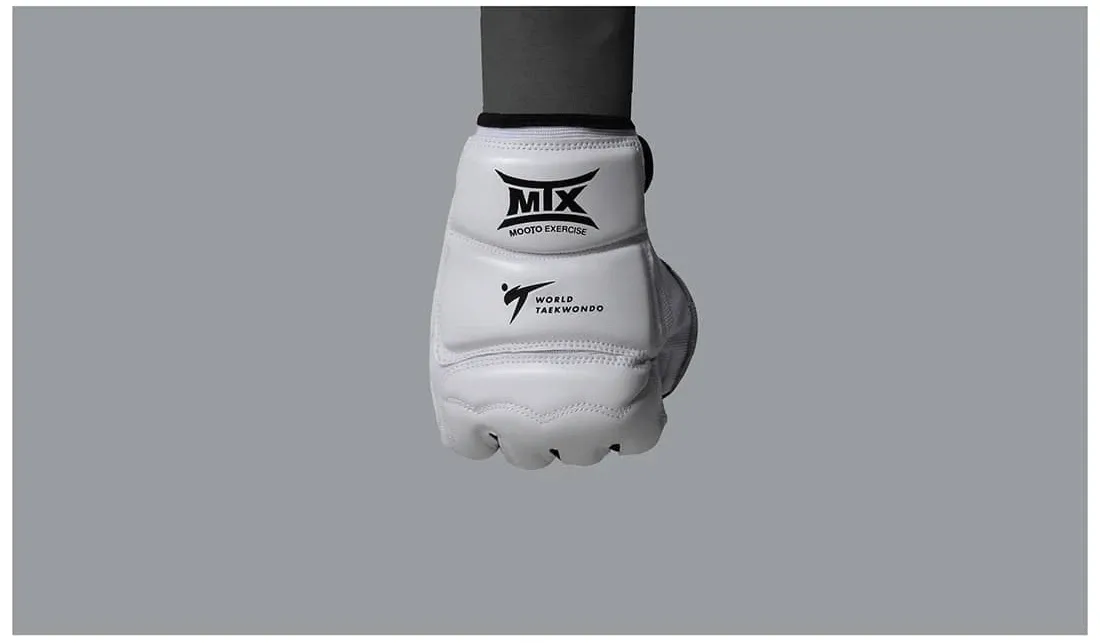
MTX 2 Hand Protector
MTX 是为全球所有跆拳道运动员的基础训练及比赛提升而设计的系列。不仅品质优良,还承诺合理价格,使每位跆拳道运动员都能无负担地佩戴使用。