The Sparring Divide: Three Things Beyond Technique
Most athletes put their sparring attention on individual techniques - kicking faster, higher, harder. But the real gap is rarely one leg's explosiveness. It is whether you can commit at the right position, in the right rhythm, at the right moment. The difference between a missed back kick and a scoring one is usually decided half a second before the leg even leaves the floor.
This guide splits sparring into three capabilities you can train separately and then combine: distance management, rhythm reading and timing. Each section gives a drill a dojang can run this week, followed by safety and protector checks for coaches.
The core of sparring is not being faster, it is being more accurate - use footwork to hold the distance where you can score and your opponent cannot, read their rhythm, then strike during the weight transfer.
Step One: Manage Distance With Your Feet, Not Your Hands
Sparring distance broadly divides into three zones: long range, where both athletes probe and whoever steps in first is exposed; mid range, where you can kick but need one or two steps of setup; and close range, where points are both conceded and scored. This is exactly where taekwondo footwork earns its value. Experienced athletes do not fight from a fixed distance; they move the engagement toward whichever zone suits the techniques they own.
The skill is stepping in with the feet and stepping out with the feet. Many beginners under pressure instinctively lean the upper body back and drop the hands to cover, which is exactly the posture that surrenders head points. Keep the torso upright, the weight centred between both feet, and adjust position with forward, backward and lateral slide steps. The body stays quiet; the position moves first.
A drill you can run immediately: mark three lines on the floor to create long, mid and close zones. The coach stays in a fixed position and signals only with a target mitt or a verbal cue. The athlete must switch between the three zones and complete one effective kick inside the called zone. Requirements: no torso sway during the switch, and no looking down at the feet. Three sets of 30 seconds with 30 seconds rest.
Step Two: Read the Rhythm Instead of Chasing It
Every athlete has rhythm habits: some press continuously, some pause and then explode, some rotate away when under pressure. One of the most valuable lessons in sparring training is recognising the physical tell that appears before an opponent kicks - usually a final adjustment step, or an early rotation of the shoulder and hip.
Reading rhythm is not about guessing the technique in advance. It is about deciding whether to take the initiative or wait. When you confirm the opponent is still in the launch phase, stealing the front step usually creates pressure. When their launch is already complete and power is being released, the safer choice is a lateral exit with a counter loaded.
Use a back-and-forth loop drill: two athletes hold mid range; one launches one or two steps on no fixed pattern; the other must first judge whether the action is still launching or already released, and only then step in or step out. The coach records the number of misjudgements - a more useful number than how many kicks landed.
Only commit when the read is right. The largest source of points conceded in sparring is not poor technique, it is misjudgement: attacking at the exact moment the opponent has already launched.
Step Three: Timing Lives in the Weight Transfer
Timing is not a mysterious concept. Between finishing an action and recovering the stance, an opponent passes through a brief transition in their weight distribution - a moment when they have neither a defensive posture nor the ability to counter. The window is short, but it can be trained into a reflex.
Three trainable windows stand out: the instant the opponent's kick lands, the middle of a step change or stance switch, and the breathing gap after a combination. Offensive timing is really about matching the window to the response. The first suits an immediate counter to the trunk, the second suits stealing a step to smother, and the third suits a feint to draw one more reaction.
Note that the third window is also where conditioning breaks down first. Competition sparring runs as three two-minute rounds with one-minute breaks, so managing that rhythm is itself part of the tactics. Burn unnecessary launches in the first two rounds and judgement quality in the third drops noticeably.

A Dojang-Ready Session: 60-Minute Sparring Class
Turn the three modules into one 60-minute class: warm-up and mobility 10 minutes; distance special 15 minutes (three-zone switching drill); rhythm judgement 15 minutes (back-and-forth loop); timing capture 15 minutes (designated-window counters); sparring 5 minutes, recording only judgement quality rather than score.
Coaches should introduce only one technical cue per session. Sparring training works largely because athletes can repeat the same judgement without a heavy cognitive load.
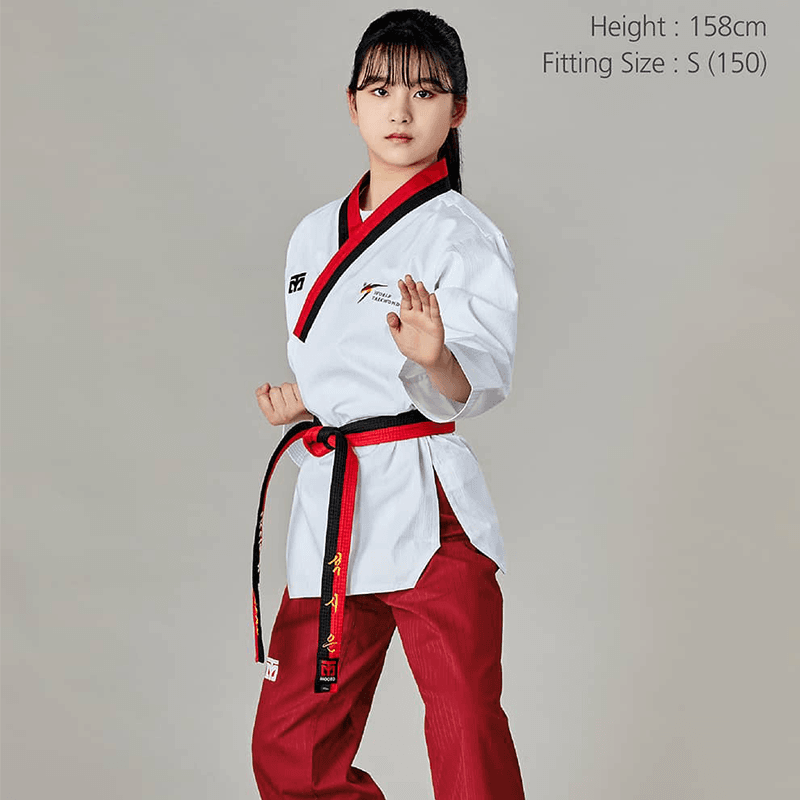
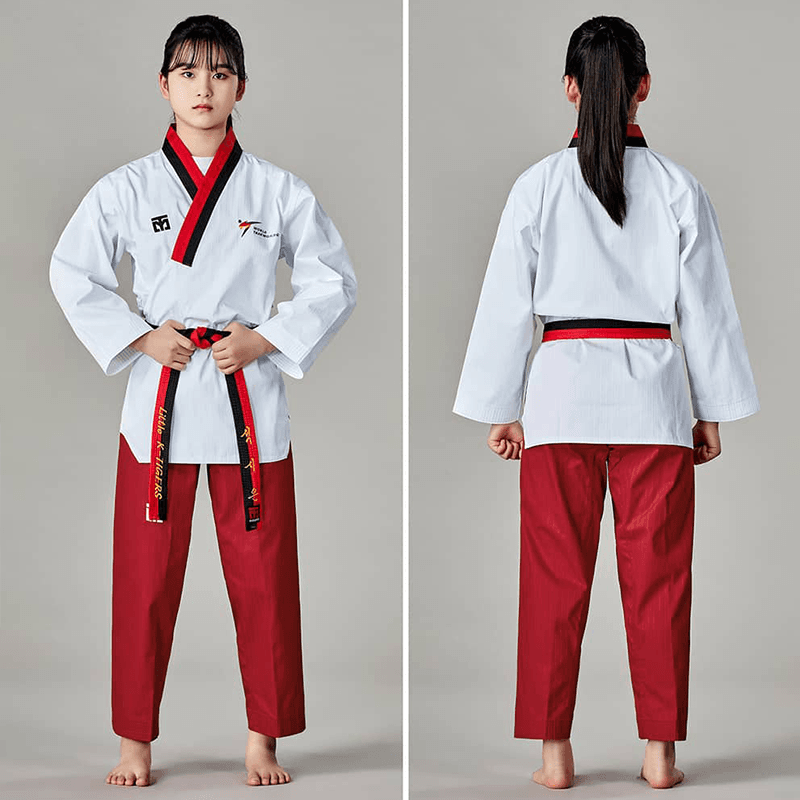
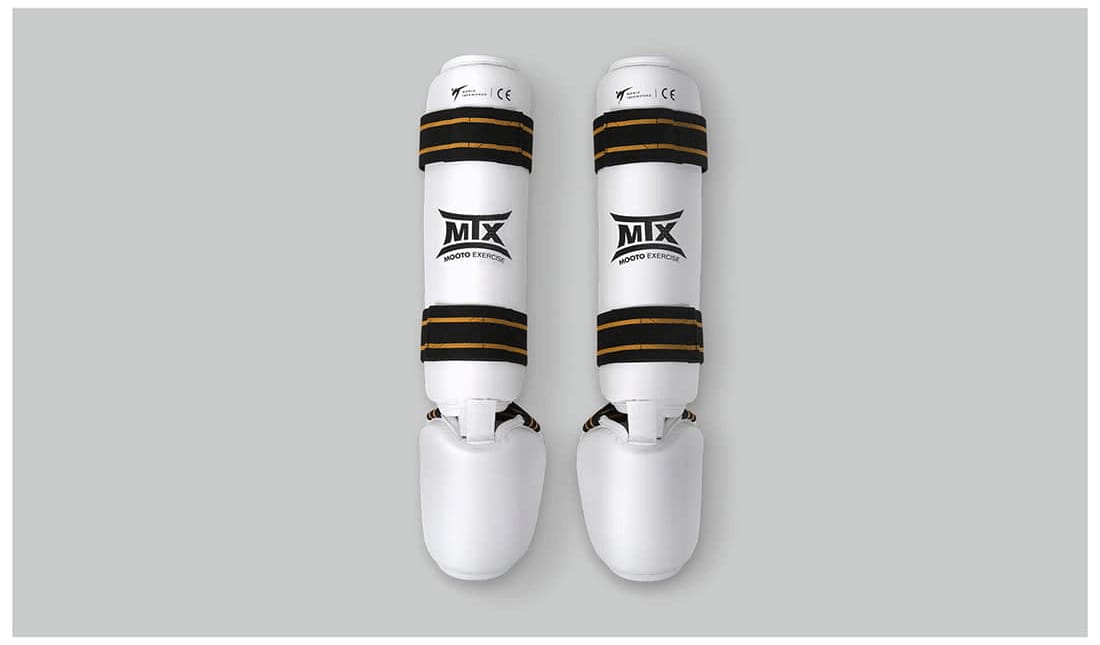
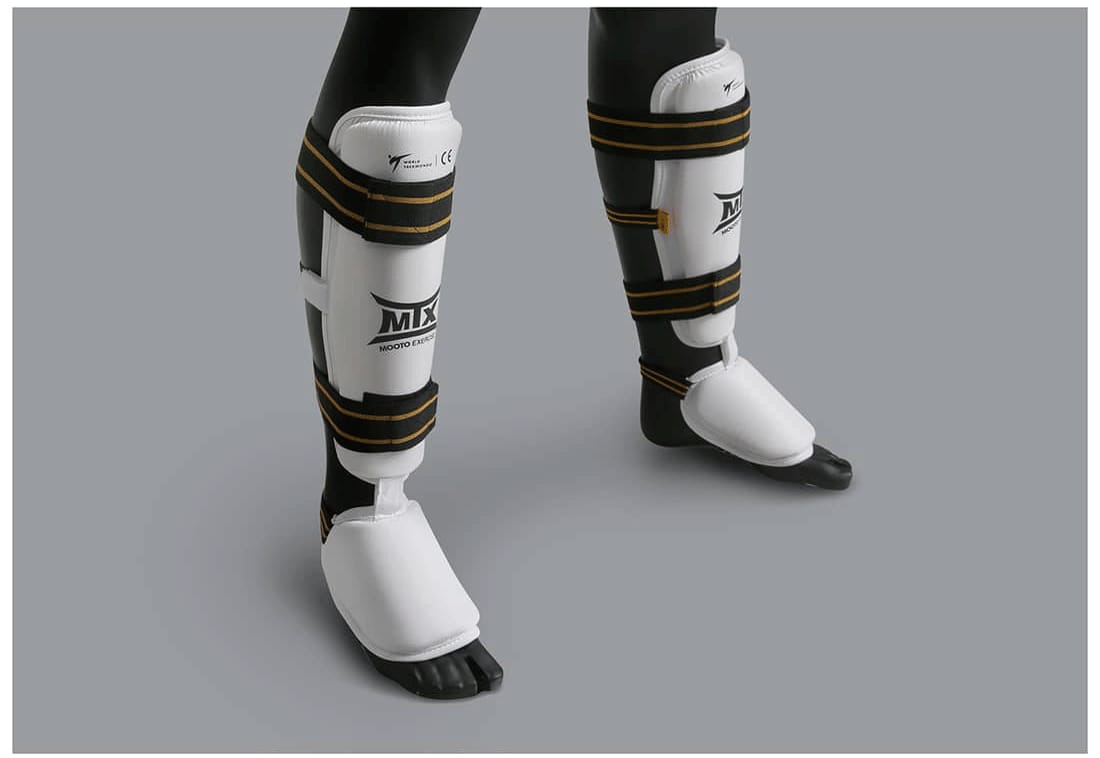
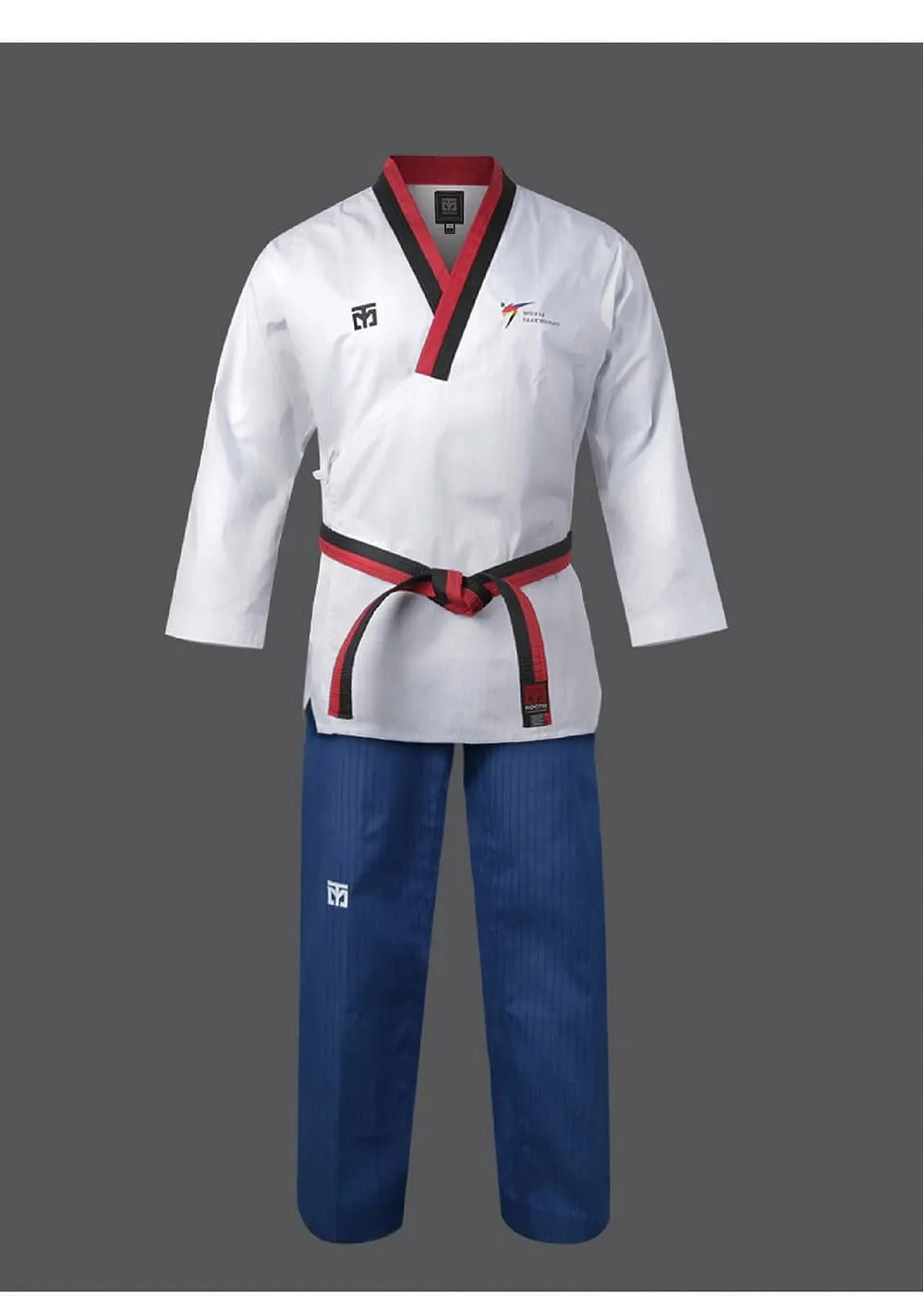
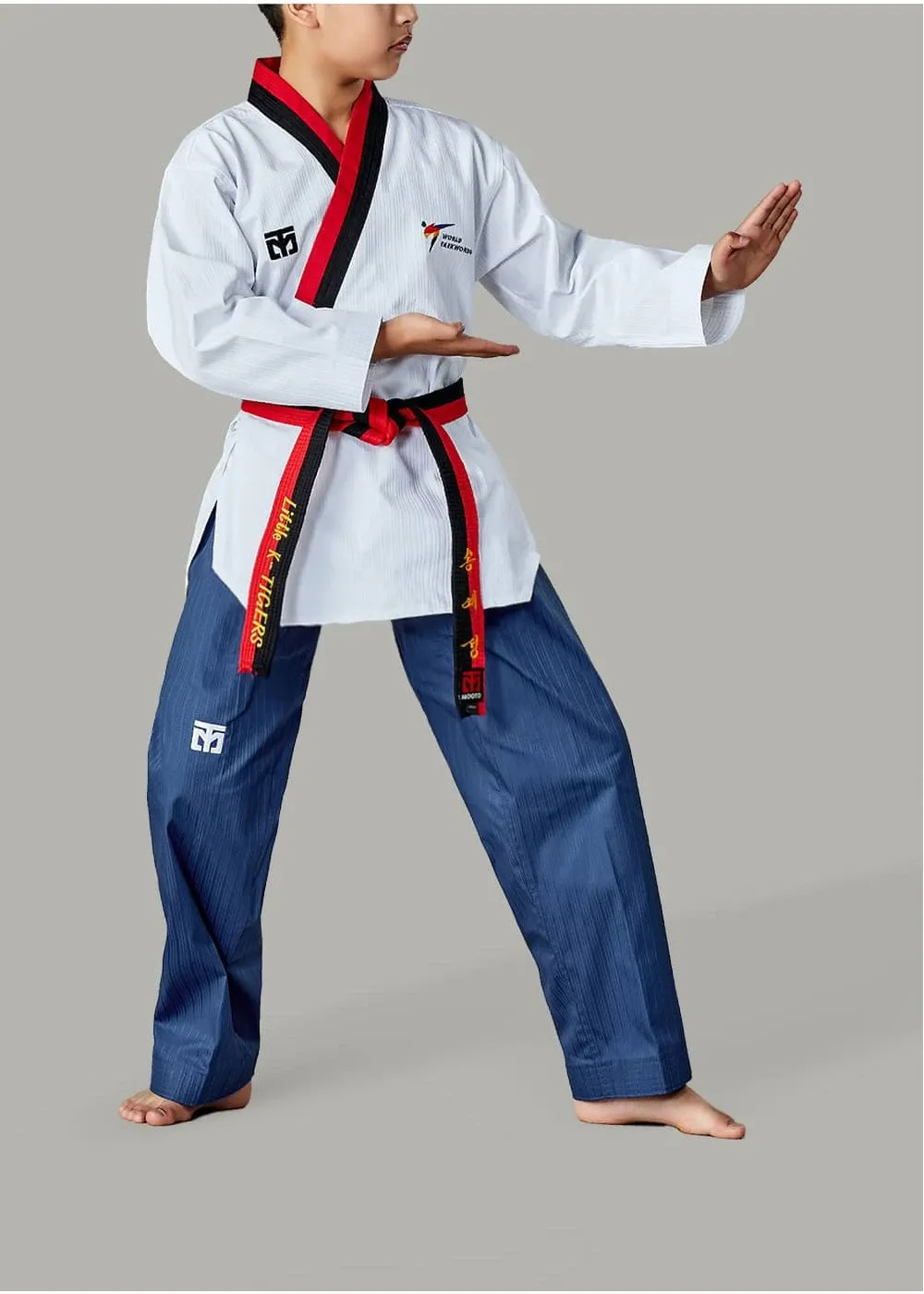
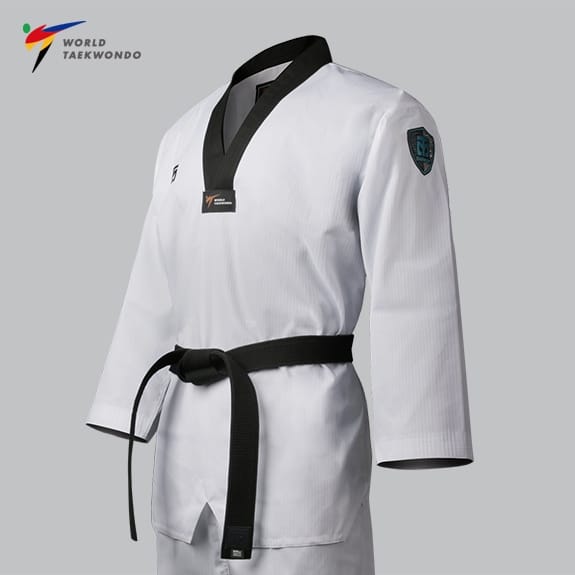
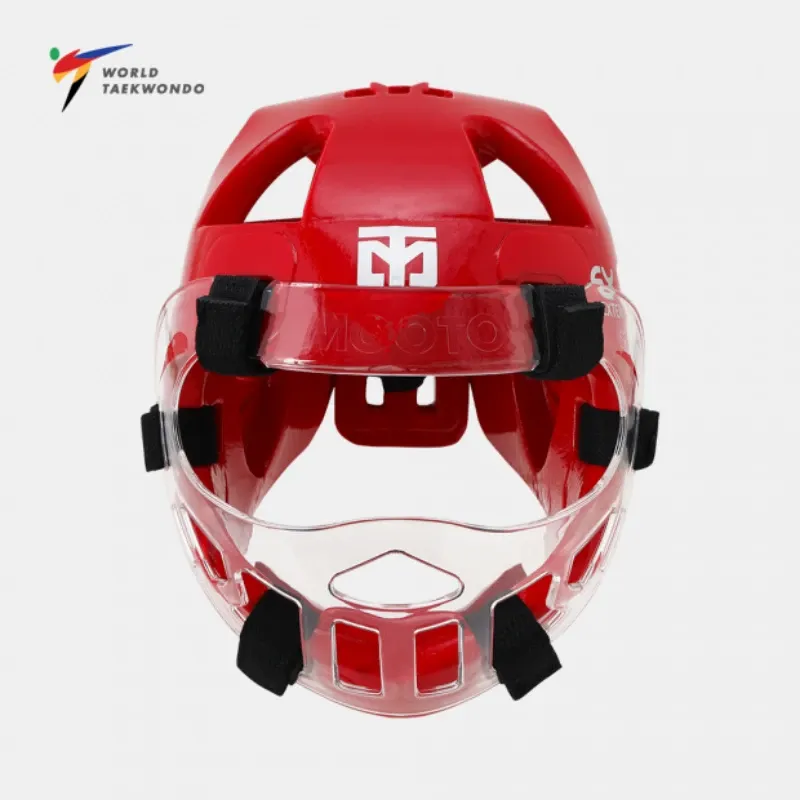
On equipment, sparring classes should run with protectors on throughout. Hand protectors, shin-and-instep protectors and a mouthguard are the baseline; chest and head protectors are mandatory once intensity approaches competition level. Choose a training dobok with good breathability and unrestricted range of motion, which reduces technique breakdown in hot conditions. For the specification differences between protectors, see ourprotector buying guide.

The Safety Floor and Floor Checks
Sparring training exists to build judgement, not to see who can absorb more. A few baseline rules: no free sparring before a beginner has mastered basic defensive movement; mouthguards are mandatory in free sparring; keep a safe margin from the edge of the training area; and stop immediately on dizziness, joint noise or persistent pain.
For a dojang, mat condition directly determines whether intensity can be raised safely. Whether puzzle mat seams sit flat and whether edges have lifted is a weekly inspection item - ankle injuries caused by lifted seams are the most common incident in sparring classes.
FAQ
Q1.How often should sparring be trained?+
Sparring is high intensity and places a heavy load on the nervous system and joints, so daily sessions are usually not recommended. The common approach is two to three dedicated sparring classes per week, with footwork, conditioning and single-technique work filling the rest, and judgement training placed on days when athletes are fresh.
Q2.Should beginners learn technique or sparring first?+
Master basic defensive movement and fundamental footwork first, then move into rule-bound sparring. Entering free sparring without defensive awareness sharply raises injury risk and makes it harder to build correct distance sense.
Q3.Does distance training have to happen on the mat?+
The core of distance sense is judging space and time, which can be trained on the mat or on open floor using marker lines or cones for footwork. Any part involving real offensive and defensive judgement should be done on the mat with protectors on.
Q4.How do I know if I am being controlled in sparring?+
One observable sign: do you always react after your opponent's leg has already left the floor? If you spend the whole round defending on the back foot, control of the rhythm has already been handed over. Return to distance and position work instead of adding technical difficulty.
Putting It Into Practice for Coaches and Dojangs
Fixing this class into the weekly timetable works better than an occasional high-intensity session. Run distance, rhythm and timing as rotating units, two weeks per unit, so the judgement has time to settle. When equipping a dojang in bulk with protectors and training doboks, put the requirement into a list and submit it through the in-site inquiry so specifications can be matched to athlete numbers and training intensity. For more sparring and conditioning methods, see theTraining & Technique category, or use the pre-competition tapering guide to plan the build-up to competition.
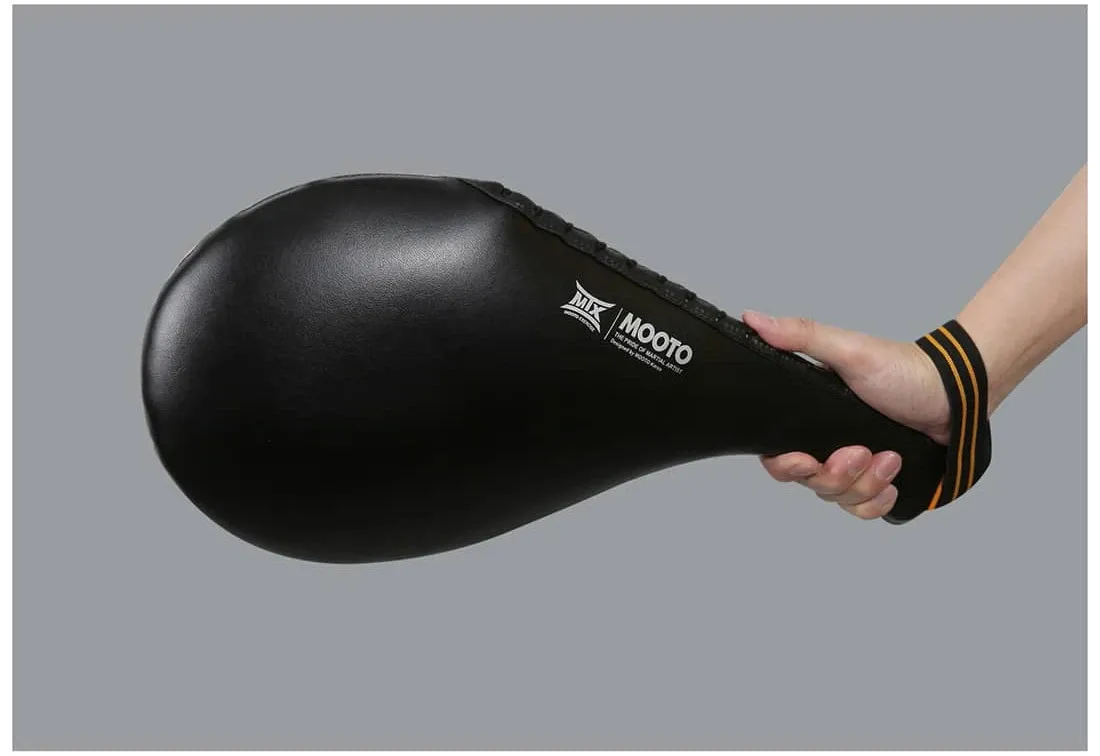
MTX Target Mitt Single/Double
适合各种打击和踢腿训练。
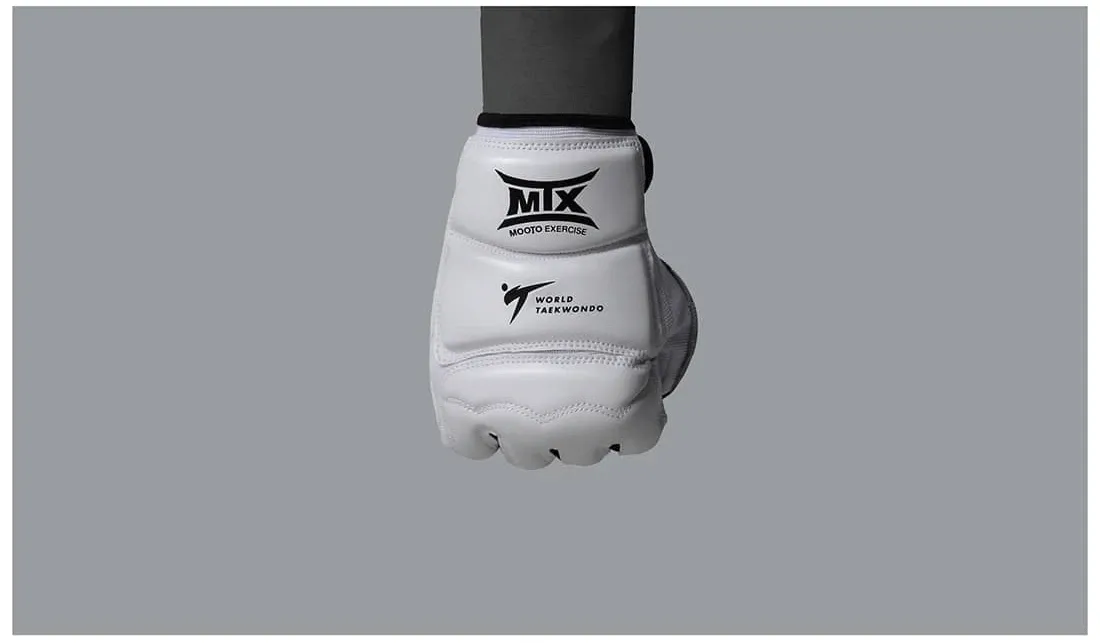
MTX 2 Hand Protector
MTX 是为全球所有跆拳道运动员的基础训练及比赛提升而设计的系列。不仅品质优良,还承诺合理价格,使每位跆拳道运动员都能无负担地佩戴使用。
KEY TAKEAWAYS
- →Sparring is decided by judgement rather than speed: use footwork to hold the distance where you can score and your opponent cannot
- →Mark three lines for long, mid and close zones; the switch must be made with an upright torso and without looking down at the feet
- →In rhythm training, first decide whether the opponent is launching or has already released, then choose to step in or step out; coaches log misjudgements
- →Timing appears in three windows - kick landing, step or stance change, and the gap after a combination - each answered by a counter, a step-in or a feint
- →Competition sparring runs three two-minute rounds, and wasted launches in the first two rounds directly degrade judgement in the third