Target mitts are the equipment most often bought on impulse in a dojang. They have no size chart like a dobok, and no model number to verify against a competition outline like a protector, so purchasing usually comes down to price and quantity. Yet the rhythm of a class, the accuracy of a student's strike, and even the load on a coach's wrist are all set by the shape and density of these few pads. This guide works from use case through form and material to configuration quantity.
Three Categories: Separate the Use Case Before the Specs
Target mitts split into three categories by whether they need a partner and whether they are fixed. Hand-held kick pads — usually oval or the teardrop shape commonly called a chicken-leg pad — are held by a coach or partner while the student works kicks against a moving surface. Hand targets are smaller and held higher, for punching combinations and close-range reaction. Fixed targets include hanging heavy bags and freestanding bags; they need no partner and build power and continuity.
The three do not overlap in training purpose. Hand-held pads develop accuracy and speed: the surface moves, so the student must adjust distance and timing in real time. Fixed targets develop power and endurance: weight and rebound give consistent feedback that can be repeated for long sets. Using a heavy bag to train distance sense, or a hand-held pad to train power, is a low-efficiency arrangement.
Key takeaway: hand-held pads build accuracy and speed; fixed targets build power and endurance. The two cannot replace each other.
Choosing a Kick Pad: Form, Handle and Core Density
Form Defines Tolerance for Error
An oval kick pad has a large striking surface and rounded edges, which tolerates error best and suits beginners and high-volume kicking classes. A square pad has firmer edges: the striking point has to be more precise, so it suits advanced classes that already control where they land. The double-leaf form, with two symmetrical wings, links combinations more easily but demands more wrist strength from the holder. Choose form by class type first, then by how long the coach holds the pad.
Single vs Double Layer: Feel Against Durability
The same pad model is often offered in single-layer and double-layer versions, where the number refers to how many cushioning layers are stacked. Single-layer pads are lighter and far easier on a coach's wrist during long holding sessions, which suits kids' classes and long periods. Double-layer pads are thicker and resist repeated hard kicks better, making them the standard choice for competition teams. Buying both and splitting them by class type is more practical than standardising one spec across the whole dojang.
Core Density Decides Lifespan
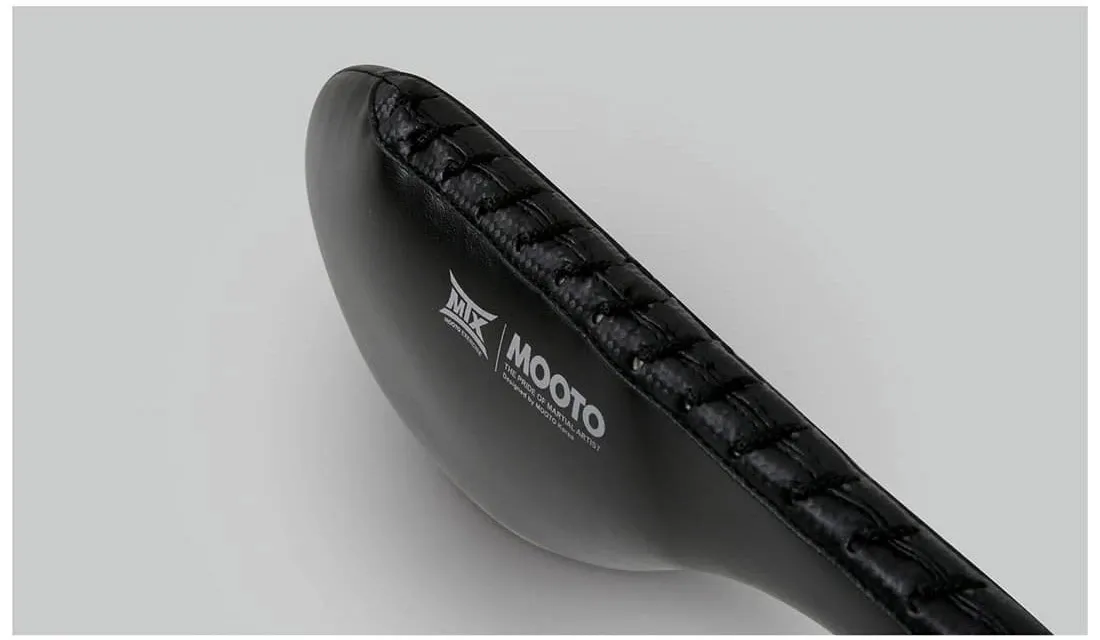
Feel comes from core density. A dense core rebounds quickly and resists collapsing under repeated hard kicks; a low-density core feels softer at first but compresses visibly over time until the striking point stops absorbing properly. The test is straightforward: press the centre of the pad and check whether it springs back crisply, then press the edge and see whether the piping collapses with it. A pad whose edge gives way first rarely survives a term of high-frequency classes.
Hand Targets and Protecting the Holder
Hand targets have a much smaller surface than kick pads, so the same force lands on a smaller area and the impact is absorbed almost entirely by the holder's palm and wrist. A coach who teaches several classes a day, holding pads hundreds of times per class, accumulates a load that is easy to underestimate.
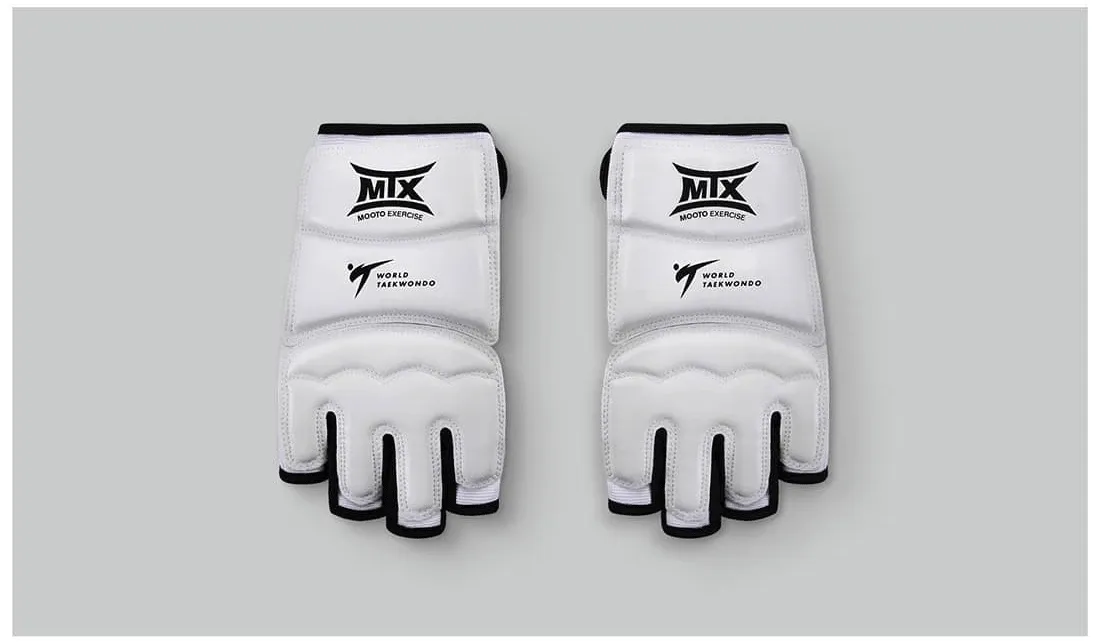
The usual fix is a thin hand protector or hand wrap on the holding hand: it cushions impact and reduces the slippage that follows sweat and distorts technique. The same applies to kick pad classes. Many dojangs equip students with protectors and overlook the coach holding the pad, which is the most underestimated wear point once the timetable passes ten classes a week. For the structure, sizing and bulk configuration of hand protectors, see our breakdown of hand protector selection.
Fixed Targets: Quantity and Floor Traffic
Hanging bags need a load-bearing anchor point, and where they hang determines floor traffic. If there is not enough kicking space between bags, students instinctively shorten their kicks and the training effect drops. Where anchors are not available, freestanding bags are the alternative, at the cost of floor area; their centre-of-gravity design varies considerably between products, so push the base for stability on site before deciding where it stands.
Size quantity by rotation rhythm rather than one target per student: assigning two to three people to each station keeps waiting time under a minute, which keeps training density intact. This rule of thumb matters most in kids' classes, where long waits scatter attention and raise the coach's class-management cost.
Material and Durability: Three Checkpoints
First, the cover. Synthetic leather is standard for training pads, so check that stitching pitch is even and that the piping sits on the load line; pads with sparse stitching usually split at the seam first. Second, whether there is a separate liner between core and cover, which decides whether the core eventually pushes through the surface. Third, the joint between handle and striking surface — the point of highest stress and where most pads fail first. Flex it in both directions during inspection and look for deformation or noise.
Cleaning and Care
Sweat and chalk residue accelerate ageing of the cover. Wipe the surface with a damp cloth and neutral cleaner after each class, dry it in the shade before storing, and avoid direct sun or a radiator — synthetic leather hardens faster under heat. This habit can add one to two terms to a frequently used kick pad, which is the cheapest maintenance action available to a dojang that replaces pads often.
Configuration by Class Type: A Checklist You Can Use
Kids' classes: mainly light single-layer pads, sized at about half the number of students training at once, plus two to four freestanding bags for rotation. Competition teams: double-layer kick pads plus heavy bags, pads sized to the number of core squad members and bags sized to available anchor points. Adult classes: hand targets and kick pads in roughly equal numbers, because punching and kicking combinations carry similar weight in the curriculum. Spare parts matter as much: handle straps and cores are the two most frequently replaced items, so agree on spare-part supply when placing a bulk order rather than reordering after individual pads fail.
"A pad is not a consumable, but it shows wear faster than any other piece of equipment: one collapsed edge will pull both the holder's technique and the student's striking point off line."
Sourcing and Enquiry: Three Points for B2B Buyers
First, target mitts are training equipment and sit outside competition-equipment certification checks, so selection focuses on feel, durability and quantity rather than verifying model numbers against an event outline. Second, for bulk orders confirm minimum order quantity, colour and logo customisation, and whether different class-type configurations can be mixed in one order — for a dojang fitting out the whole facility at once, mixing capability often affects total cost more than unit price. Third, align lead time with your restocking cycle: the weeks before a term starts are peak season, and a longer lead time directly disrupts the class schedule.
Dojangs configuring training equipment by class type can browse the full training equipment range under Product Guides, or send an enquiry with floor area, class structure and student distribution; we will propose a configuration and quotation based on training flow. Protectors for holding coaches and the matching protector list for each class type are in the same section.
KEY TAKEAWAYS
- →Hand-held pads build accuracy and speed; fixed targets build power and endurance — neither replaces the other
- →Single-layer pads suit long classes and kids' groups; double-layer pads suit competition teams
- →Core density decides lifespan — check rebound and edge piping first
- →The pad holder needs a hand protector too; it is the most overlooked wear point
- →Set quantity by rotation (two to three people per station), not one pad per student
FAQ
Q1.Should a new dojang buy kick pads or heavy bags first?+
Kick pads first. They cover distance, timing and combination work in far more of the curriculum and do not depend on load-bearing anchors; add a heavy bag when anchors are available, or choose a freestanding bag if they are not.
Q2.Can single-layer and double-layer pads be used together?+
Yes. A common arrangement is single-layer for kids' classes and long sessions, double-layer for competition squad work, switching within a class by training intensity. It is more durable and more budget-efficient than standardising one spec.
Q3.Do target mitts need to be bought to WT certification?+
No. Target mitts are training equipment and sit outside competition-equipment certification checks; WT-related verification applies to competition gear such as dobok and protectors.
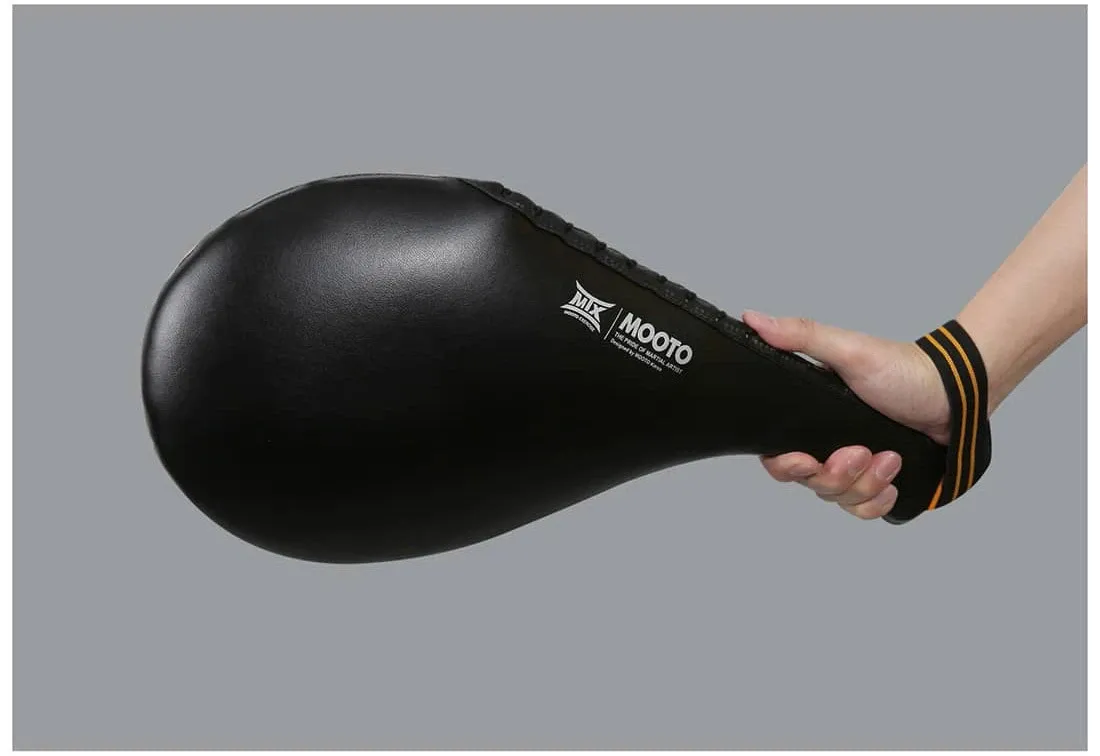
MTX Target Mitt Single/Double
适合各种打击和踢腿训练。
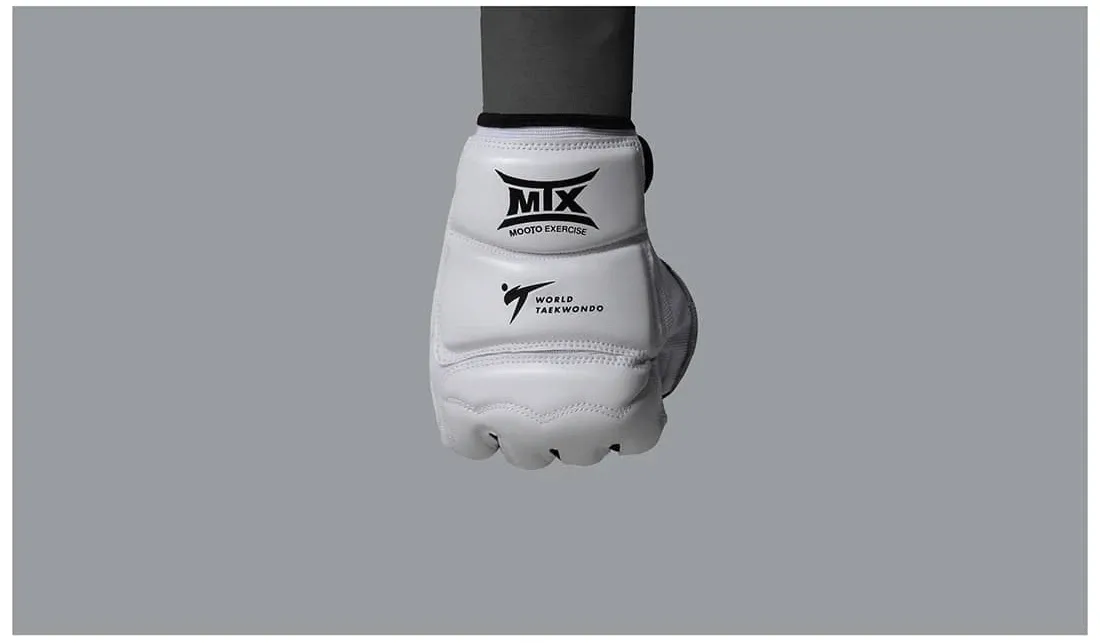
MTX 2 Hand Protector
MTX 是为全球所有跆拳道运动员的基础训练及比赛提升而设计的系列。不仅品质优良,还承诺合理价格,使每位跆拳道运动员都能无负担地佩戴使用。