On 22 October, World Taekwondo (WT) and the International Olympic Committee's Olympic Solidarity programme opened a DNSS training camp in Ouagadougou, Burkina Faso. Sixty-three coaches, athletes and referees will spend seven days across four tracks - poomsae, kyorugi, officiating and Protector and Scoring System (PSS) operations - with the camp running through 28 October.
It awards no medals, yet it decides where medals come from: whether a national referee can read the scoring system correctly, whether coaches can explain the rules, and whether a federation can equip its athletes. Seen inside WT events and programmes, this is WT's final Olympic Solidarity camp of the year - and the closing note matters more than the opening one.
Key numbers: 63 participants (coaches, athletes, referees) | 7 days (22-28 October) | 4 subject tracks (poomsae, kyorugi, officiating, PSS operations) | one year of a three-year support plan.
1. Who runs the camp, and where
The camp is organised by World Taekwondo and the IOC through Olympic Solidarity under the DNSS framework, in cooperation with the Fédération Burkinabè de Taekwondo and the African Taekwondo Union (AFTU). The opening ceremony was held at the Institut des Sciences du Sport et du Développement Humain (ISSDH) in Ouagadougou - a venue choice that says the week belongs to coaches and referees rather than to competitors.
WT frames the camp inside a three-year initiative intended to help the country's taekwondo become self-sustaining. Beyond the sessions, WT, the National Olympic Committee of Burkina Faso and the national federation are discussing long-term objectives, including strengthening the country's taekwondo infrastructure. That work rarely makes headlines, but it decides whether the country can host its own events and produce its own referees three years from now.
The timeline is worth noting. WT's 2026 Olympic Solidarity camps ran earlier in Senegal, Palestine, Somalia, Guinea-Bissau and Australia, and Burkina Faso is the closing stop. Three of those five are African; with this camp, Africa accounts for four of the year's six stops - a pattern rather than a coincidence.
2. PSS operations is the track outsiders overlook
Poomsae and kyorugi are the familiar parts. What decides fairness is officiating and PSS operations. PSS - the Protector and Scoring System - is the electronic scoring system installed in head and trunk protectors; as the Olympics describes it, valid scoring is determined primarily by that system, while additional points for turning kicks are entered by judges on manual scoring devices. If a referee cannot read the equipment, the score stops reflecting the bout.
That is why PSS operations is a course of its own. Coaches need it to know where to put training time; referees need it to justify decisions; federations need it to write a purchasing list and plan spare parts. At this level, equipment literacy and rules literacy are two sides of the same skill.

3. Sixty-three people, seven days: the equipment maths
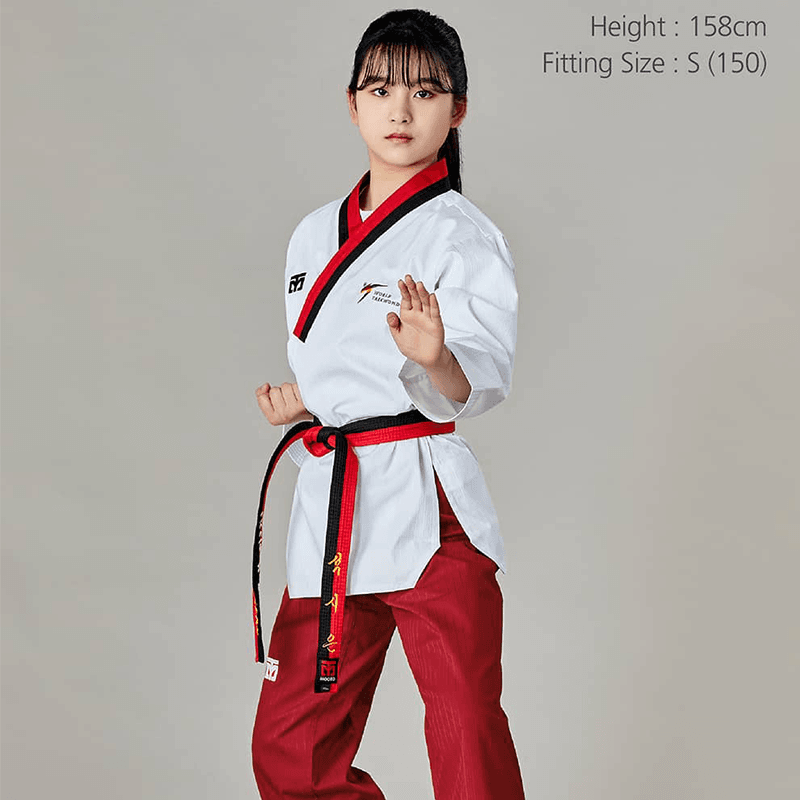
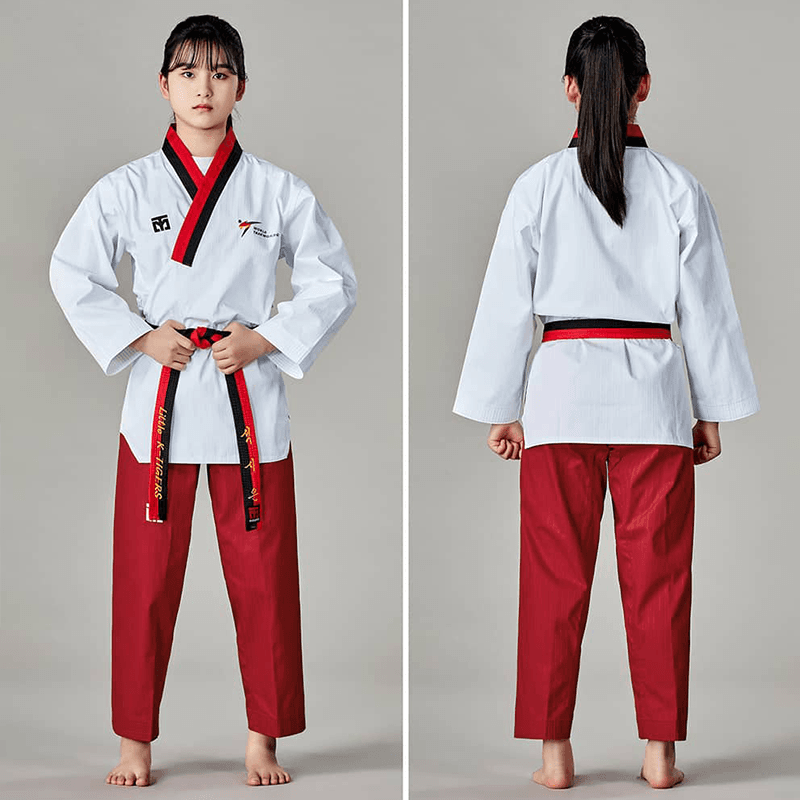
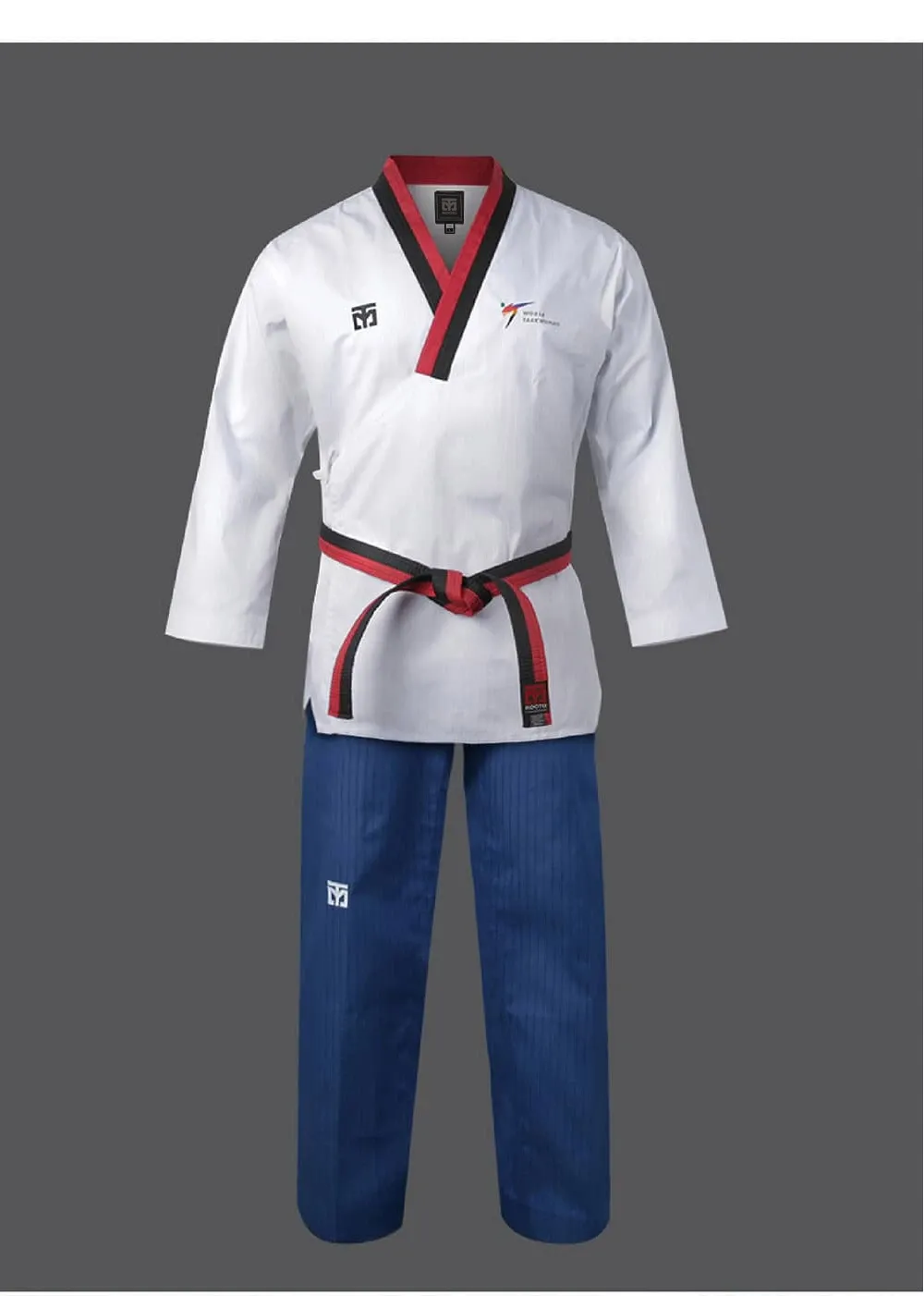
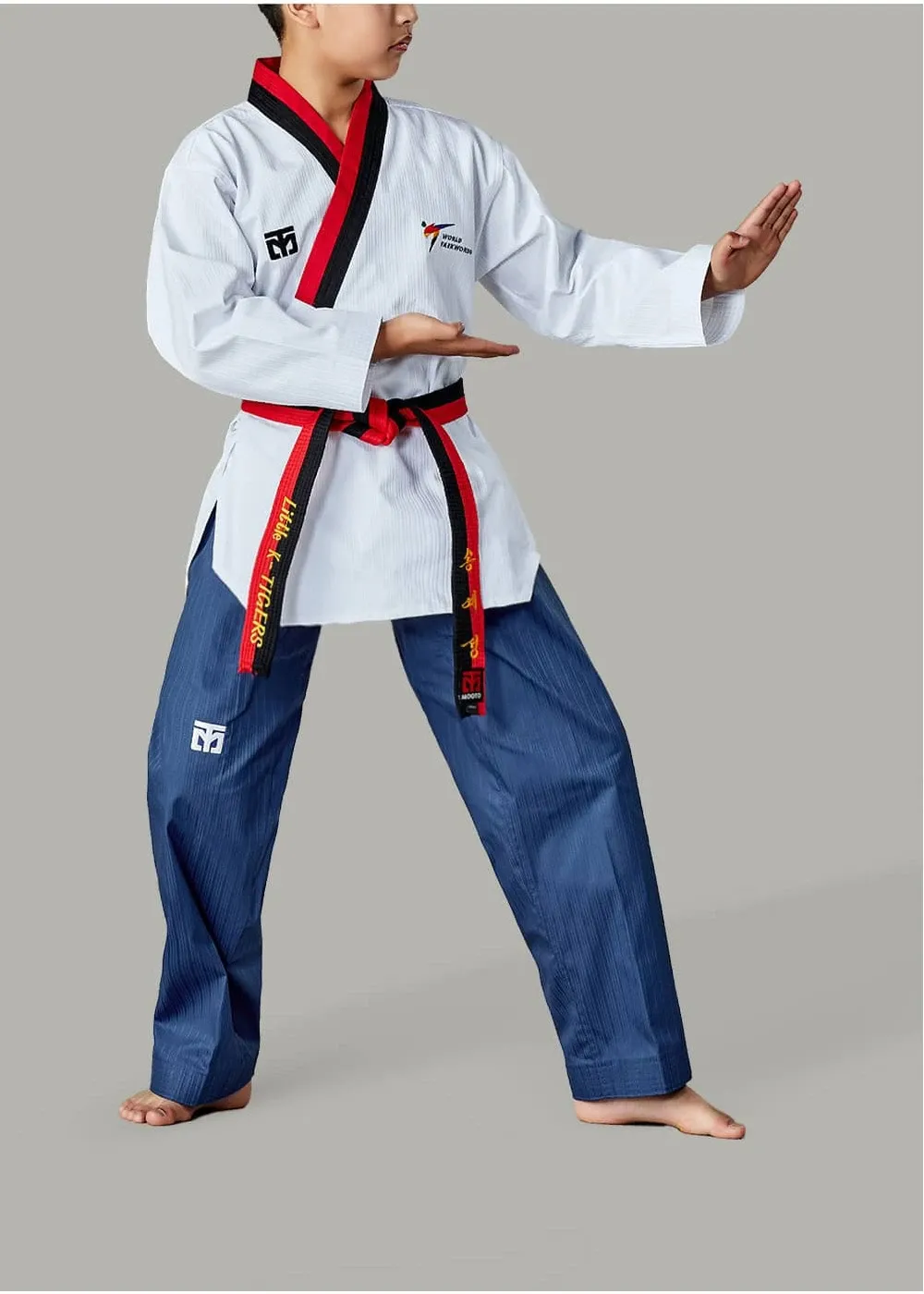
The equipment maths is not complicated. Split 63 people by track and the requirements diverge: poomsae leans on dobok cut and belt, kyorugi on complete protector sets and electronic protector compatibility. Seven days of two-session training also needs cleaning and changeover margin, so the order has to sit clearly above the bare minimum.
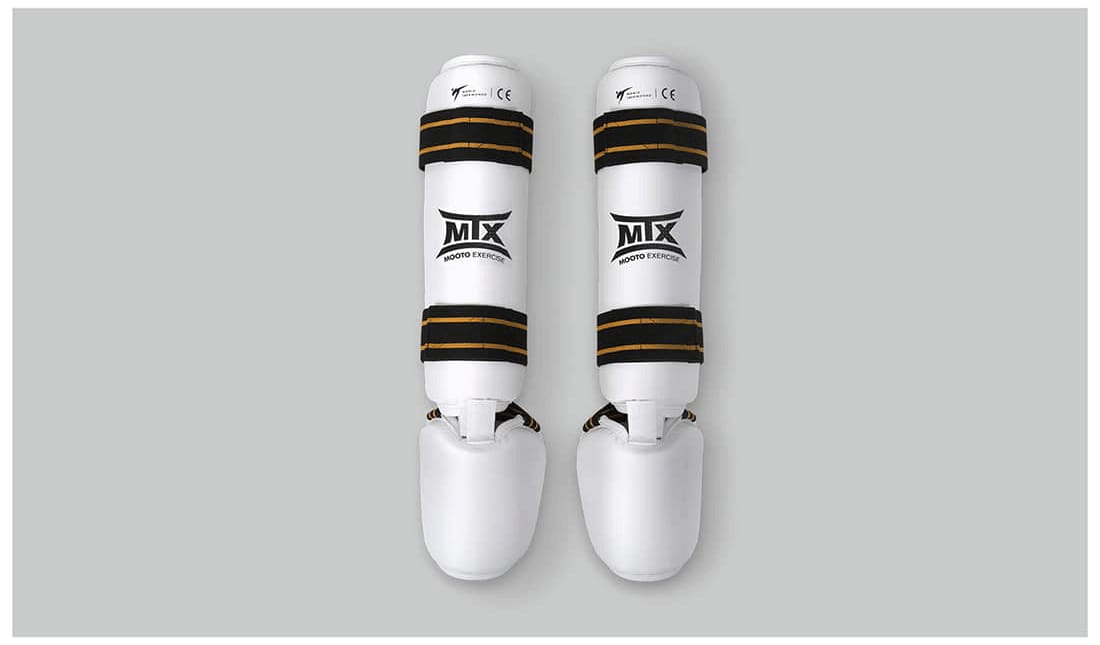
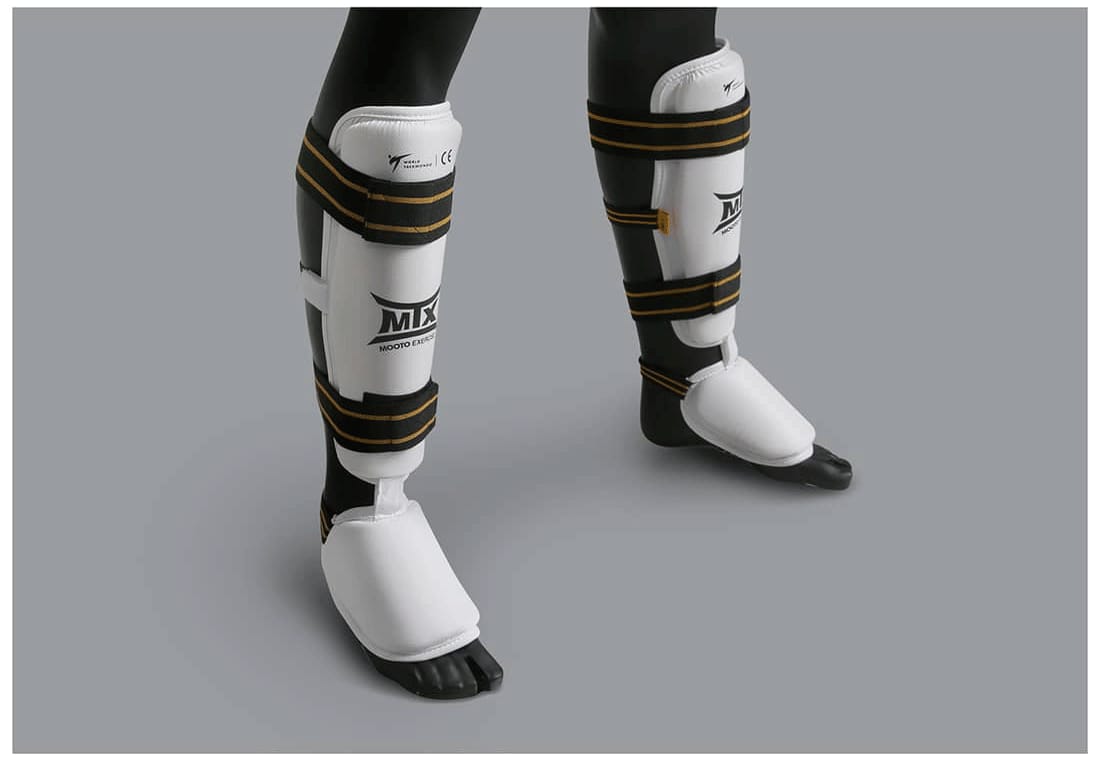
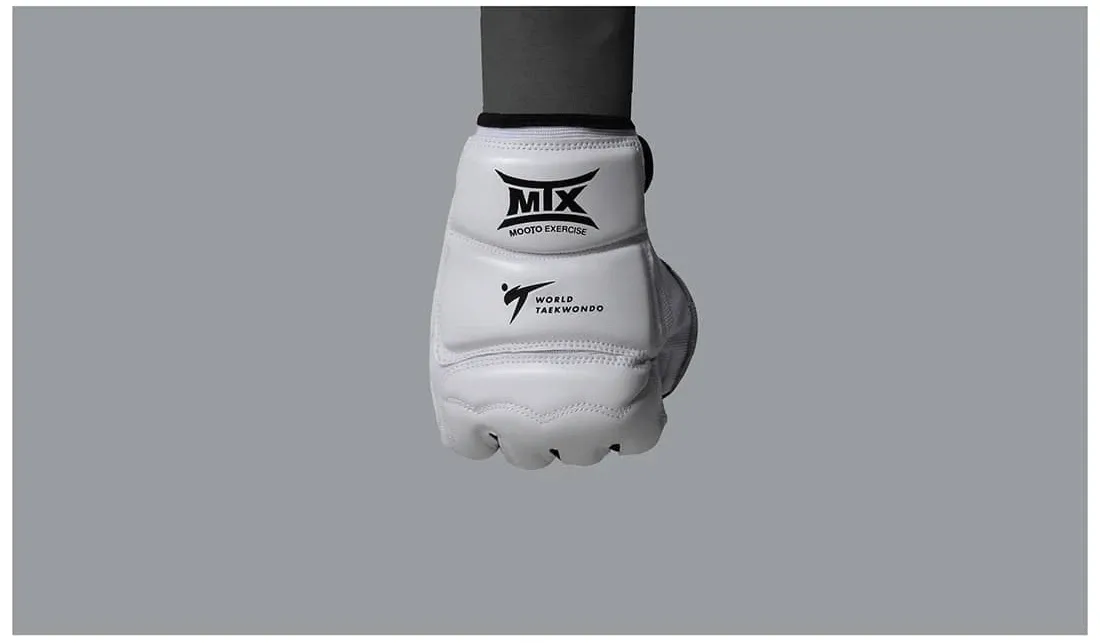
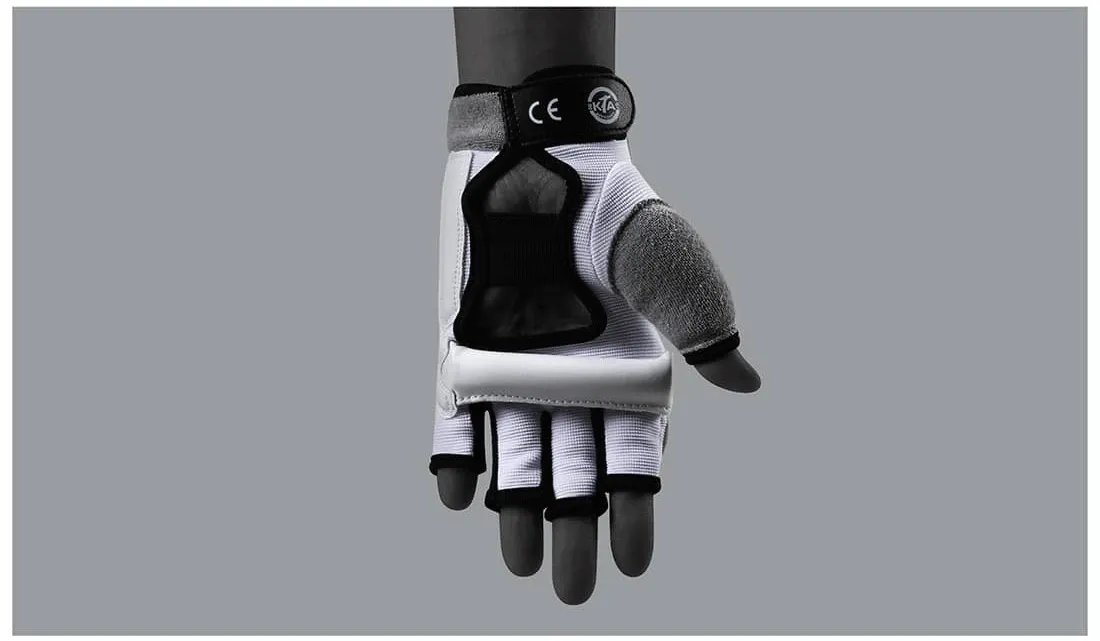
Court dimensions can be converted into mat quantities using the WT contest and safety area standards; on the protector side, the gap between training grade and WT-approved grade drives the budget. A set such as the MTX chest guard shows how a complete configuration is put together before you decide quantities.

4. A five-step checklist for federations and dojangs
First, count people before counting units. Sixty-three participants do not equal 63 kits; split by discipline, grade and weight division and the number of protector sizes usually exceeds the headcount. Lay out the roster first, and the budget stops moving afterwards.
Second, allocate protectors by grade and weight instead of relying on one universal size. A chest guard or head guard one size off noticeably changes protection, especially in kyorugi groups.
Third, confirm electronic protector and PSS compatibility. Interfaces and sensor placement differ between protector generations; checking model numbers against the current rules before ordering is cheaper than sourcing parts afterwards.
Fourth, hold about 10 percent spares. Hook-and-loop closures, straps and sensor housings wear first, and seven consecutive days at this intensity with no spares leaves no plan B.
Fifth, train coaches and referees together. Putting both groups in one classroom is deliberate: coach-only training never reaches the competition floor, and referee-only training never reaches the dojang.
5. What this means for buyers
Read the camps as a series and WT's investment in developing markets looks continuous: people first, systems second, events last. For suppliers, that means demand is less a single large order than a long relationship built on complete configurations and repeatable restocking - availability first, replacement second. MOOTO has partnered with WT since 1984, and that experience ends up in concrete specifications: dobok per person, protectors per grade, mats per court. To build a configuration plan around headcount and floor area, start with the brand story and the specification tables on the product pages.

FAQ
Q1.What is the WT Olympic Solidarity training camp?+
A Development of National Sports System (DNSS) programme run by World Taekwondo with the IOC's Olympic Solidarity, aimed at coaches, athletes and referees and covering poomsae, kyorugi, officiating and PSS operations. The 2026 closing camp runs in Ouagadougou, Burkina Faso, from 22 to 28 October.
Q2.What is PSS?+
The Protector and Scoring System: electronic scoring installed in head and trunk protectors that determines valid scoring, with additional turning-kick points entered by judges on manual scoring devices.
Q3.How many people attend?+
63 coaches, athletes and referees.
KEY TAKEAWAYS
- →Opened 22 October 2026 and runs to 28 October in Ouagadougou, Burkina Faso
- →63 coaches, athletes and referees across poomsae, kyorugi, officiating and PSS operations
- →Organised by WT and the IOC through Olympic Solidarity, with the national federation and AFTU, inside a three-year initiative
- →WT's final Olympic Solidarity camp of 2026; Africa hosts four of the year's six stops
- →On the equipment side: allocate protectors by grade, confirm PSS compatibility, hold 10 percent spares
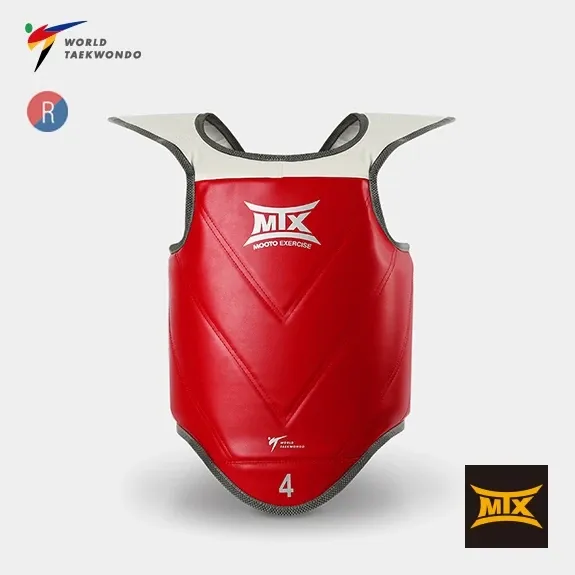
MTX 2 Reversible Chest Guard
'MTX’是为全球所有跆拳道运动员的初级训练及比赛提升而设计的产品线。不仅品质优良,价格合理,任何跆拳道选手均可无负担地佩戴使用。