World Taekwondo publishes a sustainable competition case study series
Hosting a competition is not only about what happens on the mat. How much energy an event consumes, how much waste it produces, how many people it mobilises and what it leaves behind are now being documented by World Taekwondo (WT) as case studies that others can copy. In September 2026, WT launched a new sustainable competition management case study series, with three events in the first batch and all of the material published openly.
The series went live on 17 September. WT pointed to the symbolism of that date: on 17 September 1988, taekwondo first appeared on the Olympic stage as a demonstration sport at the Seoul Games. Since then the sport has not only become a full Olympic programme sport; WT also wants it to set an example in sustainable event delivery, inclusion, youth development, innovation and responsible hosting. The framing of the new series is therefore specific - not a statement of intent, but a collection of practices that have already happened and can be reused.
What the three cases share is that they turn "what we did right" into a reusable action list: how environmental measures were delivered, how youth and education were built into the event schedule, and how Para and Poomsae competition can share one operating system.
Three cases: three events, three approaches
The first comes from the Tashkent 2026 World Taekwondo Junior Championships in Uzbekistan. The case records a set of very concrete measures: walkable accommodation, waste sorting, local food provision, energy-efficiency measures and an indirect contribution from solar energy within the wider Olympic City complex. On youth engagement, the event involved more than 1,167 young athletes in a flashmob and put 259 volunteers to work through the Youth Sport Leaders programme.
The second comes from the Wuxi 2025 World Taekwondo Championships in China, focused on education, youth development and sport innovation. The event ran a Champion Youth Special Training Camp and the World Taekwondo Symposium Wuxi 2025, bringing athletes, coaches, academic experts and sport leaders into the same space around performance development, artificial intelligence and digital education.
The third comes from the London Open Poomsae and Para Poomsae in the United Kingdom, on inclusion and resource efficiency. The approach is not complicated: Poomsae and Para Poomsae shared the same event setup, branding, volunteer team, athlete services and operational systems. The result was that Para athletes competed on the same platform as Poomsae athletes while duplicated builds, duplicated staffing and duplicated event dressing were removed. Inclusion and cost control were not two separate projects.
WT describes the series as a continuation of its sustainable competition management work, aimed at helping member national associations and organising committees find practical measures: reducing environmental impact, strengthening inclusion, supporting athlete care and creating positive competition legacies. Associations and organisers can use the WT Sustainable Competition Management Tool and the new case studies to review their own events, and organisers with practical experience can submit it for possible inclusion in future cases. For more on the competition system and rules, see ourTournament News section.
What it means for equipment and venue suppliers
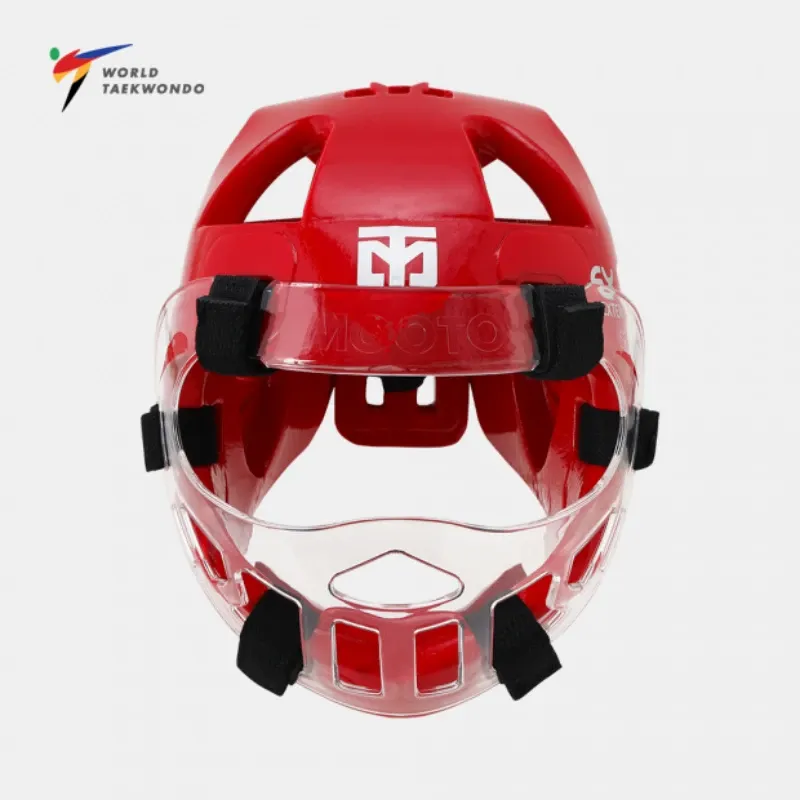
Three things stand out for suppliers and venues. The first is standardisation and reuse: when Poomsae and Para Poomsae share one system, the same protectors, the same mats and the same athlete services have to serve consecutive categories. If specifications do not match, that turns into real cost on site - an extra set, an extra build, an extra crew.
The second is build and teardown speed. A venue of fixed size switching between disciplines inside one competition period is affected by how mats connect, how much each piece weighs and how edges are finished, all of which drive labour for installation and removal. For the specifications and layout options, see ourdojo mat buying and installation guide.
The third is durability and safety. Once equipment enters a reuse or rental model, wear inspection, cleaning intervals and replacement criteria stop being an internal dojang matter and become items the organiser has to confirm one by one. That is the practical reason the case study series keeps stressing documentation: the more categories one set of equipment serves, the more valuable the process record becomes.

A four-step checklist dojangs and organisers can reuse
Translated to a dojang-run event or a regional invitational, the WT logic works in four steps. Step one, inventory: list venue, mats, protectors, team apparel and volunteer labour, marking what is reusable and what is single-use. Step two, reuse: let one set of equipment serve as many categories and disciplines as possible to cut duplicate purchasing and duplicate builds. Step three, record: log build times, consumable usage and damage as the baseline for the next event. Step four, share: write the repeatable practice into a document and circulate it between dojangs or submit it upward to your association. When configuring a venue in bulk, compile floor size, participant numbers and usage frequency into a list and submit it through the enquiry channel so the facility team can propose a layout and specification.
What happens next
Beyond the event-level work, WT says it is working with Grand Prix host member associations on a new Memorandum of Understanding to support more consistent action on sustainable event delivery across the Grand Prix series, and will keep adding case studies while inviting organisers to share their practice. For dojangs and venues, the implication is that sustainability and inclusion requirements will become more specific when bidding for or hosting events - clarifying equipment and venue reuse earlier makes the event itself easier to run.
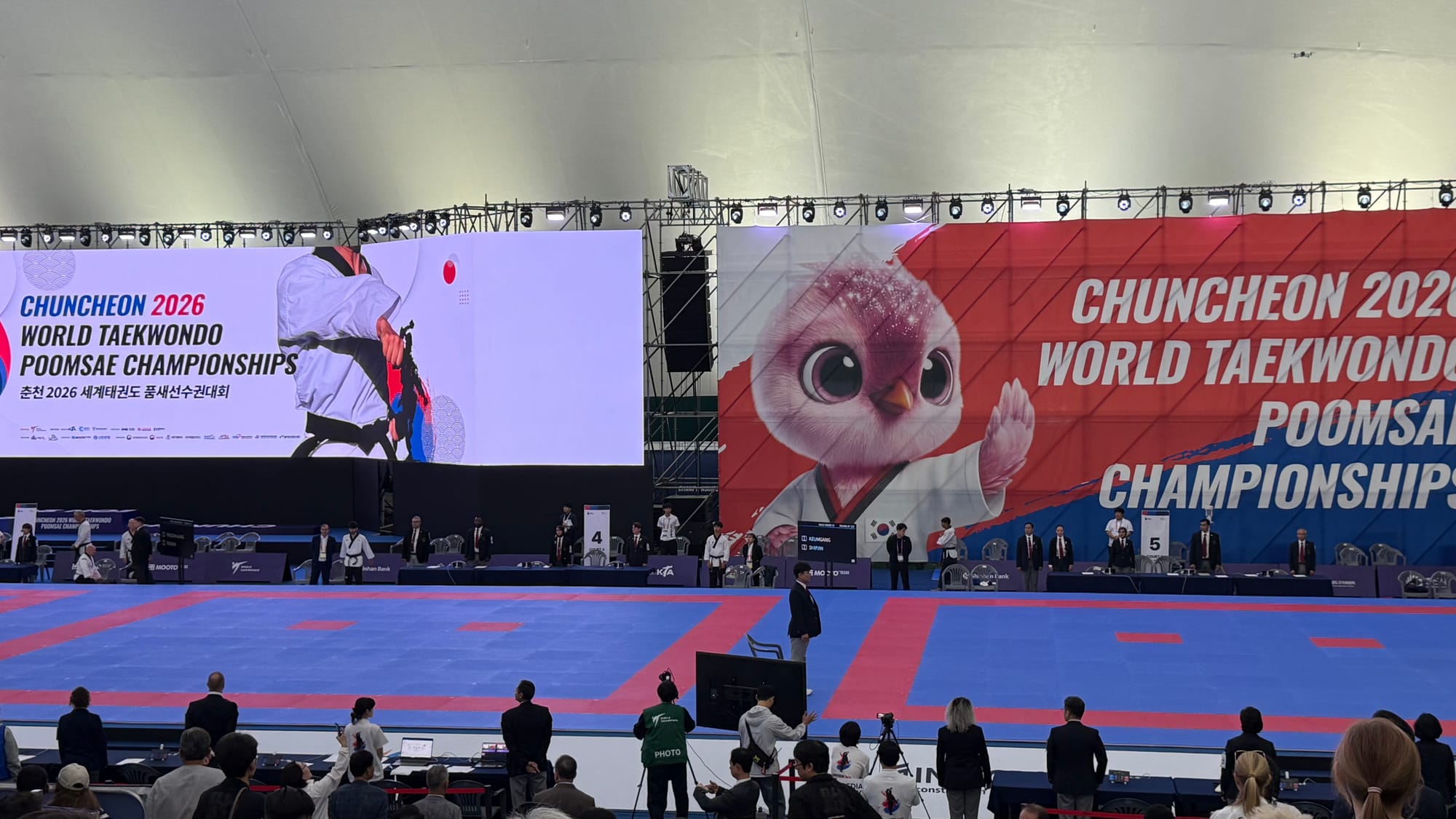
We have been following the full Chuncheon 2026 World Taekwondo Poomsae Championships run, from the opening through daily results to the closing ceremony and the flag handover to Antalya. See ourclosing report. For bulk venue and equipment requirements, you can also submit an enquiry through our facility customizer.
FAQ
Q1.Is this case study series a new competition?+
No. It is a sustainable competition management case study series launched by World Taekwondo in September 2026. It documents hosting practice from different events and does not change competition rules or the calendar.
Q2.Which three events are in the first batch?+
The Tashkent 2026 World Taekwondo Junior Championships in Uzbekistan, the Wuxi 2025 World Taekwondo Championships in China, and the London Open Poomsae and Para Poomsae in the United Kingdom.
Q3.Should a dojang hosting a small event copy these measures directly?+
Not the scale, but the method transfers well: inventory what you can reuse, let one set of equipment and one venue serve more categories, then record the process as a baseline.
Q4.Does reusing event equipment affect safety?+
Reuse is not inherently unsafe, provided there are clear inspection and replacement criteria. Once protectors and mats enter a reuse cycle, wear checks, cleaning and replacement intervals need to be written into the event plan and confirmed item by item.
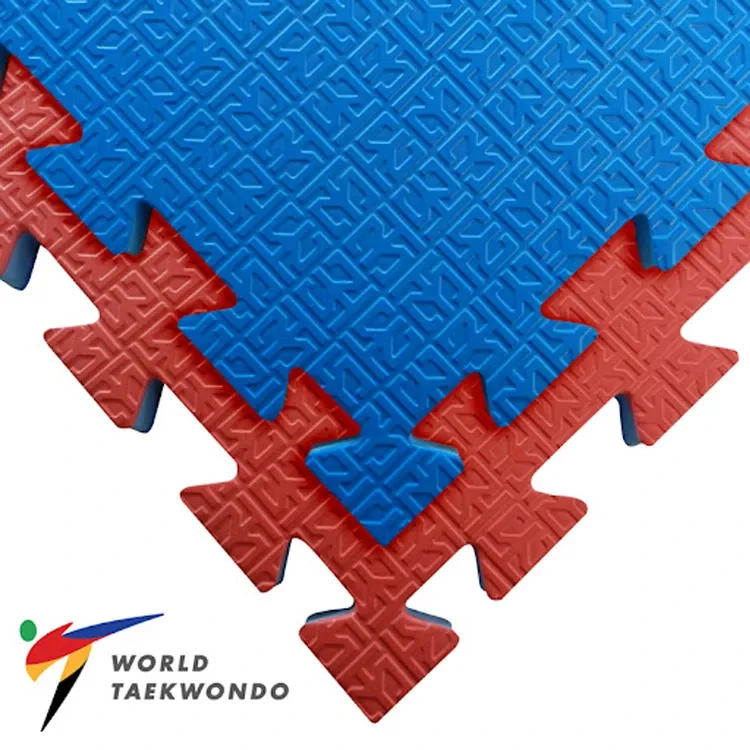
MOOTO PUZZLE MATS
MOOTO splicing mat (excluding tax and logistics transportation costs)
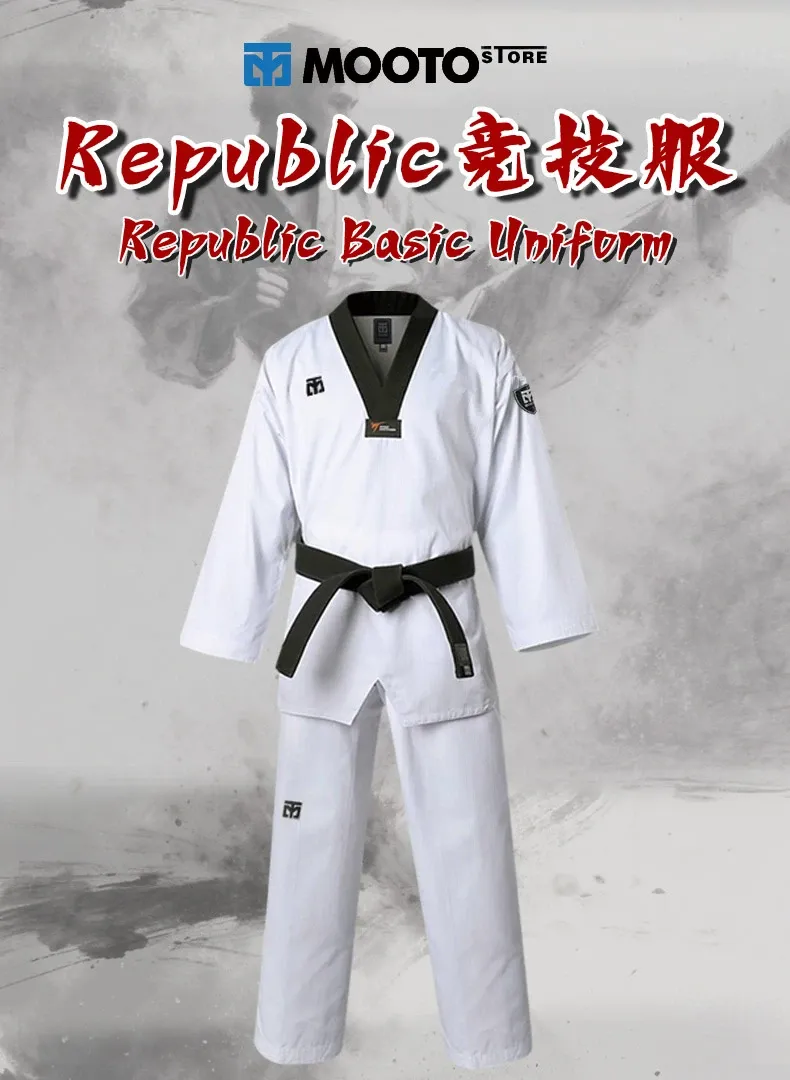
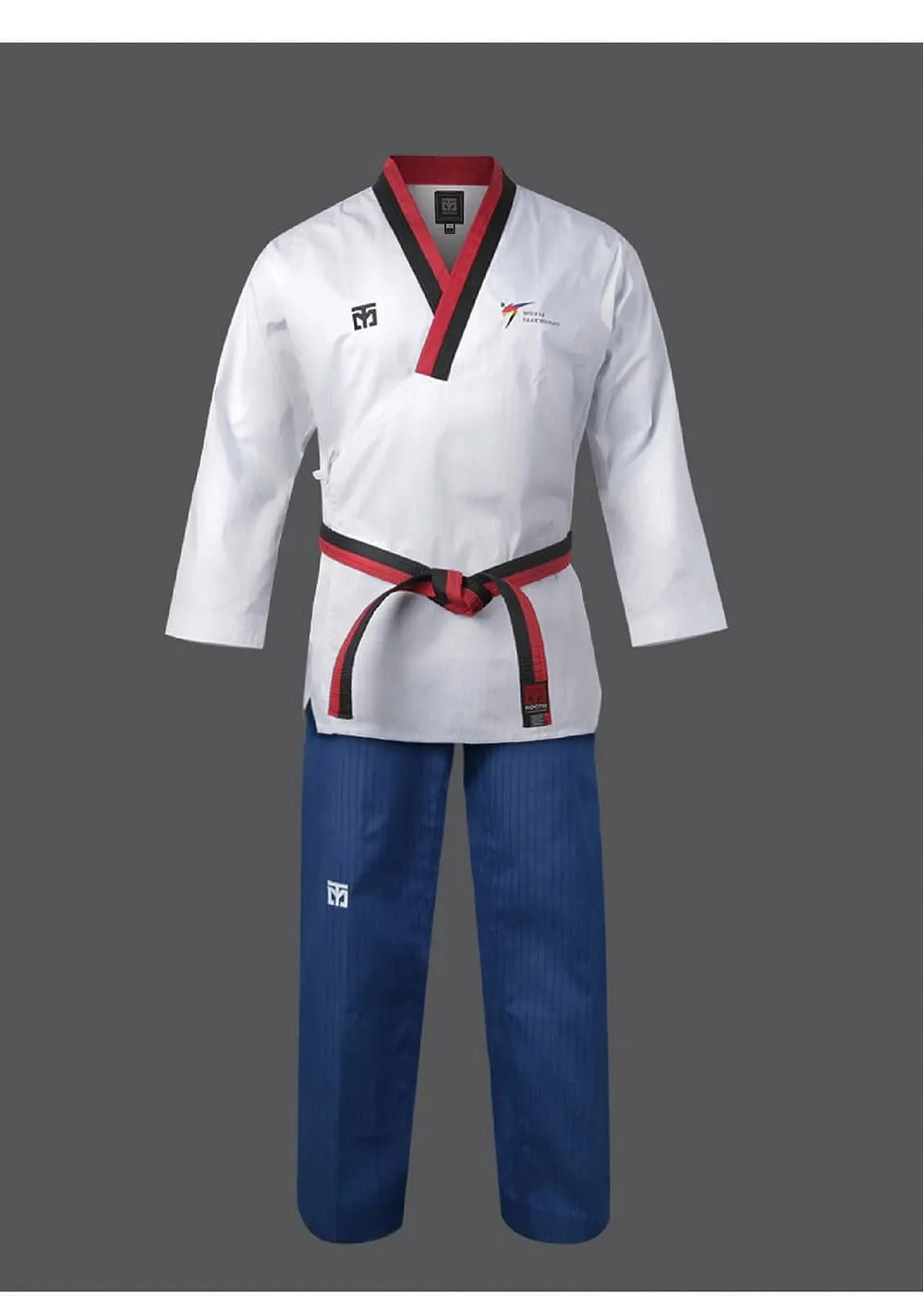
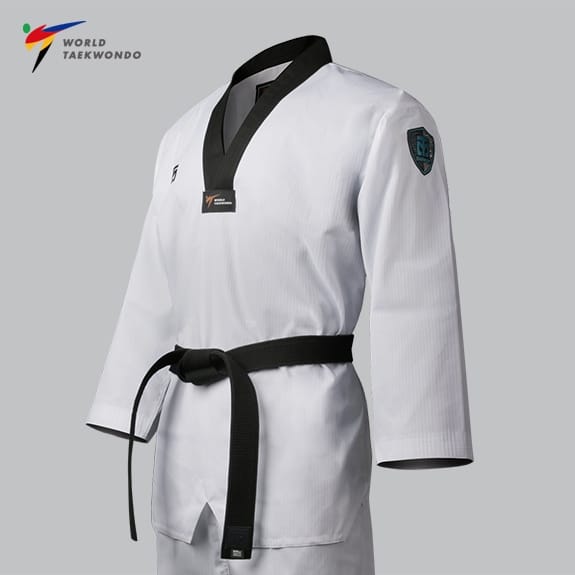
CQ)Republic Basic Uniform
MOOTO 全新力作 ——Republic 竞技道服,中国官网正式上新。独创领口暗纹防伪工艺,将品牌专属图腾与武道印记低调隐匿于领部肌理。不张扬、不浮夸,正如武者内敛谦逊的本心。于方寸之间,承载礼仪、廉耻、忍耐、克己、百折不屈的武道精神;于赛场之上,助力武者突破极限,尽显王者风范。
KEY TAKEAWAYS
- →World Taekwondo launched a sustainable competition management case study series in September 2026, starting with Tashkent 2026, Wuxi 2025 and the London Open
- →The Tashkent case covers walkable accommodation, waste sorting, local food and energy efficiency, and involved over 1,167 young athletes and 259 youth volunteers
- →The London case runs one setup, volunteer pool and operating system for both Poomsae and Para Poomsae, improving inclusion while cutting duplicate builds and staffing
- →For equipment and venues the cases map to three areas: standardised reusable gear, build and teardown speed, and durability and safety standards under reuse
- →Dojangs can apply the four steps - inventory, reuse, record, share - to turn major-event practice into a runnable process for their own events